TL;DR / Key Takeaways
- Spinal stenosis pain improves with gentle, consistent movement—not complete rest.
- Simple exercises like pelvic tilts, knee-to-chest stretches, and forward flexion can ease nerve pressure.
- Small lifestyle changes—better posture, pacing, sleep support—make daily life noticeably easier.
- Seek medical evaluation if symptoms worsen, limit mobility, or cause numbness or weakness.
Introduction
Living with spinal stenosis can make everyday activities—standing, walking, or even resting—more challenging than they used to be. When the spaces in your spine narrow and place pressure on nearby nerves, stiffness and discomfort can interrupt your routine and make it difficult to stay active. The good news is that movement, posture awareness, and small daily habits can significantly reduce symptoms and help you maintain a more comfortable, independent lifestyle.
This guide shares simple stretches, strengthening exercises, and lifestyle adjustments that support your spine and reduce nerve irritation. These strategies are designed to be practical, gentle, and safe for most people with spinal stenosis. They complement medical care—and can help you feel more confident between appointments.
To understand the condition more clearly, you can explore the full overview on the
Lumbar Spinal Stenosis condition page.
What Is Spinal Stenosis & How It Affects Daily Living
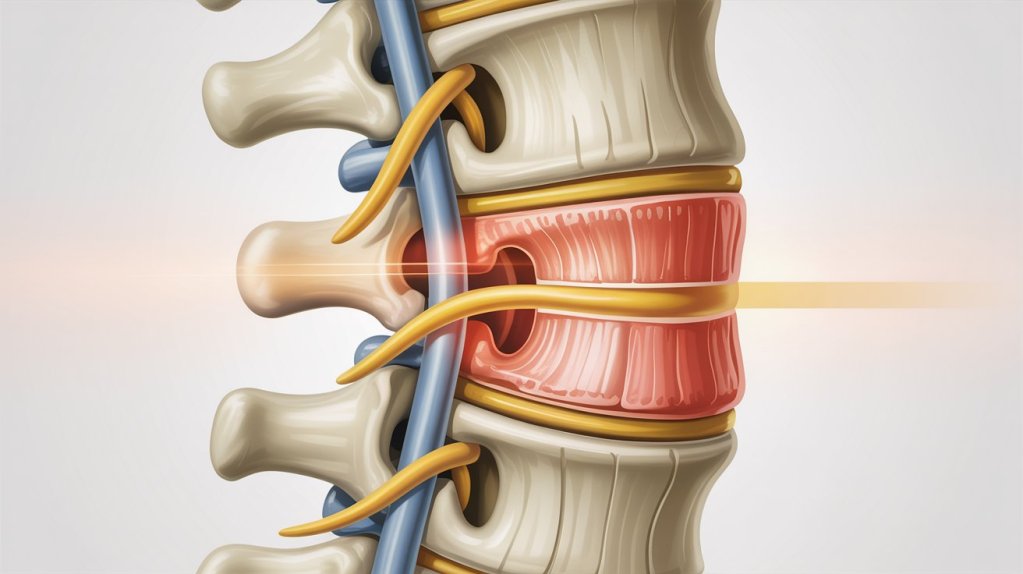
Spinal stenosis happens when the spaces within your spine become narrower, placing pressure on the nerves that travel through the lower back. This nerve compression can lead to pain, tingling, numbness, or weakness—especially in the legs. Symptoms often feel worse when standing upright or walking for long periods and tend to improve when leaning forward or sitting down.
Why These Symptoms Happen
As nerves become compressed, they struggle to transmit signals normally. This can create:
- A heavy or tired feeling in the legs
- Pain that starts in the lower back and radiates downward
- Reduced endurance when standing or walking
- Relief when bending forward (like leaning on a shopping cart)
How Stenosis Impacts Daily Activities
Simple tasks such as grocery shopping, climbing stairs, or walking around the block can become challenging. Many people start limiting activity without realizing it, which can lead to stiffness and more discomfort over time.
Why Understanding Your Symptoms Matters
Spinal stenosis responds best when you know how certain positions affect your spine. Learning which movements reduce pressure—and which ones aggravate it—helps you stay active safely and maintain independence.
🔗 Explore our holistic approach to spine and nerve care on the Maywell Health homepage.
Gentle Exercises to Improve Mobility & Reduce Pain
Movement is one of the most effective ways to ease spinal stenosis symptoms. The right exercises help open the lower back, reduce nerve pressure, and improve flexibility—without adding strain. These gentle routines are safe for most people and can be done at home with minimal equipment.
Pelvic Tilts
Pelvic tilts help loosen the lower spine and strengthen the core muscles that support your back.
- Lie on your back with your knees bent.
- Gently tilt your pelvis upward, flattening your lower back toward the floor.
- Hold for a few seconds and release.
This movement encourages healthier alignment and reduces stiffness.
Knee-to-Chest Stretch
This stretch helps widen the spaces in the lower spine and ease nerve compression.
- Pull one knee toward your chest while keeping the other foot flat on the floor.
- Hold for 15–20 seconds, then switch sides.
It’s especially helpful in the morning or after long periods of sitting.
Forward Flexion Stretch
Flexion-based movements are often relieving for spinal stenosis.
- Sit or stand and gently bend forward until you feel a comfortable stretch in the lower back.
- You can also perform this using a countertop or sturdy chair for support.
Forward bending increases the space around the nerves, which can reduce radiating leg pain.
Supported Walking
Short, frequent walks help keep joints mobile and muscles active.
If needed, lightly lean forward using a walker, shopping cart, or the back of a chair—this naturally reduces nerve pressure and increases comfort.
These exercises should feel relieving, not painful. If any movement increases discomfort, pause and adjust your range or form before trying again.
🔗 For personalized exercise plans and evaluation, explore our Pain Management Services.
Lifestyle Changes That Make Daily Life Easier
Living with spinal stenosis doesn’t mean giving up the activities you enjoy. Small adjustments in how you move, rest, and support your body can significantly reduce pressure on the spine and make everyday tasks more comfortable. These changes work best when practiced consistently and paired with gentle exercise.
Posture That Supports Your Spine
Your posture plays a major role in how much pressure your lower back experiences.
Focus on keeping your spine slightly flexed rather than fully upright, as leaning forward can naturally create more space around the affected nerves. Using a lumbar cushion or rolled towel behind your lower back can also help maintain a comfortable position when sitting.
Better Sitting and Standing Habits
Long periods in any single position may aggravate symptoms.
- When sitting, keep your feet flat on the floor and hips slightly higher than your knees.
- When standing, shift your weight periodically or lightly lean forward on a counter for relief.
These small adjustments help reduce strain on the spine throughout the day.
Sleep Positioning that Reduces Pressure
Sleep quality affects how your muscles and nerves function. Try sleeping on your side with a pillow between your knees or on your back with pillows under your knees. Both positions help keep the spine relaxed and reduce tension overnight.
Mind-Body Practices for Tension Relief
Stress and muscle tightness can make symptoms feel worse. Gentle breathing exercises, mindfulness, or short daily stretching sessions can relax surrounding muscles, ease nerve sensitivity, and help you feel calmer and more in control.
Together, these lifestyle adjustments create an everyday environment that supports your spine, reduces flare-ups, and makes movement easier.
🔗 For support integrating lifestyle changes into your care plan, explore our Behavioral Health Services.
Home Strategies to Manage Flare-Ups
Even with regular exercise and healthy routines, spinal stenosis can still cause occasional flare-ups. Having a simple plan for these moments can make a big difference in how quickly you regain comfort. These strategies are easy to apply at home and help calm irritated nerves while preventing symptoms from escalating.
Use Heat and Ice at the Right Times
Both can offer relief, depending on the type of discomfort you’re feeling.
- Heat helps relax tight muscles and improve circulation, especially before gentle stretching.
- Ice reduces inflammation after activity or if symptoms suddenly intensify.
Apply either for 10–15 minutes, using a towel as a barrier to protect the skin.
Pace Your Activities
Overexertion is a common cause of flare-ups. Instead of “pushing through,” break tasks into smaller chunks and alternate activity with short rest periods. This helps prevent strain while keeping you moving throughout the day.
Change Positions Frequently
Staying in one position too long—whether sitting, standing, or lying down—can increase nerve pressure.
A simple goal is to change your position every 30–45 minutes. Even brief movement resets your posture and reduces stiffness.
Avoid the “Too Much, Too Soon” Trap
Improvement can lead to enthusiasm, but sudden increases in activity may trigger symptoms. Gradual progress—adding a little more each week—supports the spine without overwhelming it.
These simple strategies can help you stay in control during painful moments and reduce the intensity and duration of flare-ups.
🔗 If flare-ups become frequent or difficult to manage, reach out through our Contact Page.
When to Seek Medical Evaluation
While many people manage spinal stenosis successfully at home, there are times when professional care becomes essential. Recognizing these moments early can prevent symptoms from worsening and help you stay active and independent.
Signs It’s Time to Get Help
Reach out to a provider if you experience:
- Pain that persists despite regular stretching and lifestyle changes
- Numbness or tingling that becomes more frequent
- Weakness in the legs or difficulty walking longer distances
- Pain that limits daily tasks, such as climbing stairs or standing for short periods
These symptoms may indicate increased nerve compression that needs a specialist’s evaluation.
Red Flags That Need Prompt Attention
Seek immediate care if you experience:
- Loss of bowel or bladder control
- Severe or sudden leg weakness
- Rapidly worsening pain after a fall or injury
These are signs of more urgent spinal issues.
Why Professional Support Matters
A provider can identify the underlying causes of your symptoms and recommend treatments that fit your needs—ranging from targeted physical therapy to guided injections or other minimally invasive options. Early evaluation often leads to safer, more effective long-term results.
🔗 To explore the types of care we offer, visit our Services Overview.
How Maywell Health Supports Patients with Spinal Stenosis
Living with spinal stenosis can feel limiting, but the right care team can help you stay active, mobile, and confident. At Maywell Health, we take a comprehensive, whole-person approach to spine and nerve pain—focusing not just on symptoms, but on long-term function and quality of life.
Our specialists begin with a careful evaluation to understand what’s causing nerve compression and how it’s affecting your daily activities. From there, we build a personalized plan that may include therapeutic exercises, lifestyle guidance, medications, physical therapy coordination, or minimally invasive treatments designed to reduce inflammation and relieve pressure on the nerves.
Most importantly, we make sure you feel supported at every step. Your care is shaped around your goals—whether that’s walking more comfortably, improving posture, or simply enjoying daily tasks with less discomfort.
🔗 To learn more about our approach, visit our Pain Management Specialists in NYC.
Spinal Stenosis Treatment Across All Maywell Locations
Getting the right care close to home makes a big difference when you’re managing spinal stenosis. That’s why Maywell Health provides expert pain management across several convenient New York locations. Each clinic offers personalized evaluations, conservative treatment options, and guidance to help you stay active with less discomfort.
No matter where you visit us, you’ll receive the same integrated, patient-centered approach focused on improving mobility, reducing nerve irritation, and supporting your daily lifestyle. Our teams collaborate to ensure your care is consistent, accessible, and tailored to your symptoms and goals.
You can find spinal stenosis support at these Maywell Health locations:
- NYC Clinic — Pain Management Specialist NYC
- Plainview Clinic — Pain Management Plainview
- Smithtown Clinic — Pain Management Specialist Smithtown
- Astoria Clinic — Pain Management Astoria
- Flatiron Clinic — Pain Management Specialist Flatiron
Wherever you are, expert spinal stenosis care is nearby—ready to help you move with more ease and confidence.
Take the Next Step Toward Relief
You don’t have to manage spinal stenosis alone. Whether your symptoms are new, gradually worsening, or beginning to affect your daily routine, getting the right guidance can make a meaningful difference. At Maywell Health, our specialists take the time to understand your concerns, review your mobility challenges, and recommend a personalized plan that supports both comfort and long-term function.
Starting your care is simple. Share your symptoms, ask questions, and let us help you determine the next steps—whether that’s conservative treatments, a guided exercise program, or an interventional procedure tailored to your needs. If you’re a referring provider, we make coordinating care smooth and straightforward.
🔗 To begin your care or send a referral, visit our Physician Referrals page.
What Patients Appreciate About Their Care
Many patients who visit Maywell Health share that they feel supported, listened to, and guided with clarity throughout their treatment journey. Living with spinal stenosis can be overwhelming, and having a care team that explains each step, offers thoughtful solutions, and respects your goals makes the process easier and more reassuring.
Patients often highlight:
- Clear communication about their condition
- Personalized treatment plans tailored to their comfort level
- A team that takes the time to understand their daily challenges
- Coordinated care that feels seamless and well-organized
These experiences reflect our commitment to providing compassionate, whole-person care to everyone who walks through our doors.
🔗 To explore more patient feedback, visit our Reviews page.