Postpartum Pain
Postpartum pain refers to the discomfort or pain experienced by a person after giving birth. This pain can be caused by various factors and can vary in intensity and duration.

Postpartum pain refers to the discomfort or pain experienced by a person after giving birth. This pain can be caused by various factors and can vary in intensity and duration.

A c-section refers to the delivery of a newborn through a vertical or horizontal cut in the lower abdominal and uterine wall.
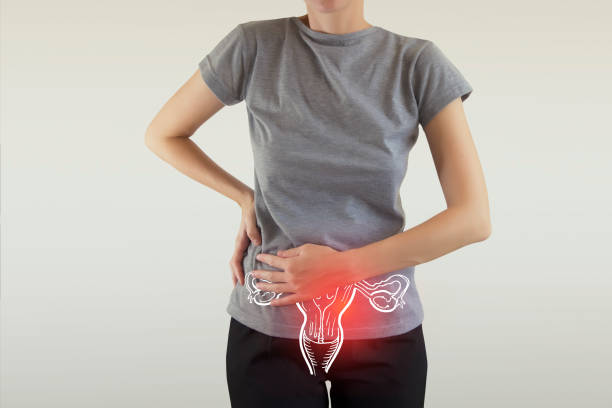
Uterine pain refers to discomfort or pain felt in the lower abdomen where the uterus is located. It can be acute or chronic and may vary in intensity and duration.
Endometriosis is a common condition among women of reproductive age, and occurs when endometrium, the tissue that normally lines the uterus, grows outside of the uterus. The most common location for abnormal endometrium growth is the ovaries, but the fallopian tubes, ligaments around the uterus, gastrointestinal tract, urinary system, or other locations in the body may be involved.
Ovarian pain refers to pain felt in the lower abdomen or pelvis, and can be caused by a number conditions related to menstruation and the ovaries.
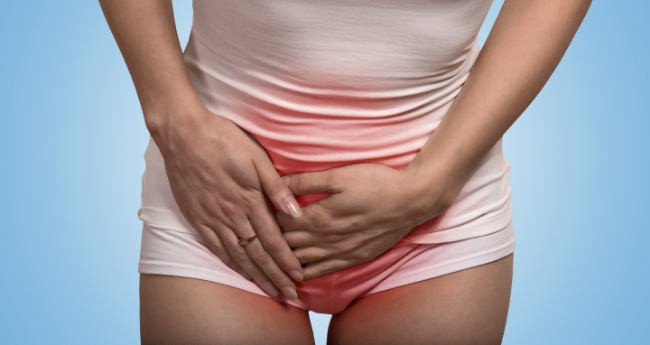
Vaginal pain, also known as vulvodynia when chronic and without a clear cause, refers to discomfort or pain in the vaginal area. This pain can vary in intensity and duration and might be described as burning, stinging, irritation, or soreness. It can be constant or intermittent and can occur during activities like sitting, exercising, urinating, or having sex.
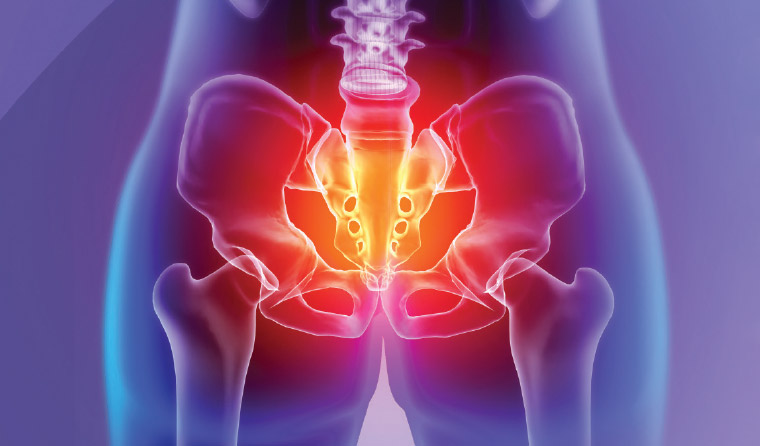
Pelvic pain in men refers to discomfort or pain in the lower abdomen, pelvis, or perineum (the area between the scrotum and anus). The pain can range from mild to severe and may be acute (short-term) or chronic (lasting more than three months). Prompt evaluation is important because pelvic pain can signal underlying conditions that need medical treatment. For comprehensive care, visit Maywell Health or contact us.

Pelvic floor relaxation, or sometimes referred to as pelvic floor dysfunction (PFD), is a condition characterized by the inability of the pelvic floor muscles to relax or coordinate properly. These muscles, which support the pelvic organs and help control bladder and bowel function, can become tight, weak, or spastic, leading to a range of symptoms.
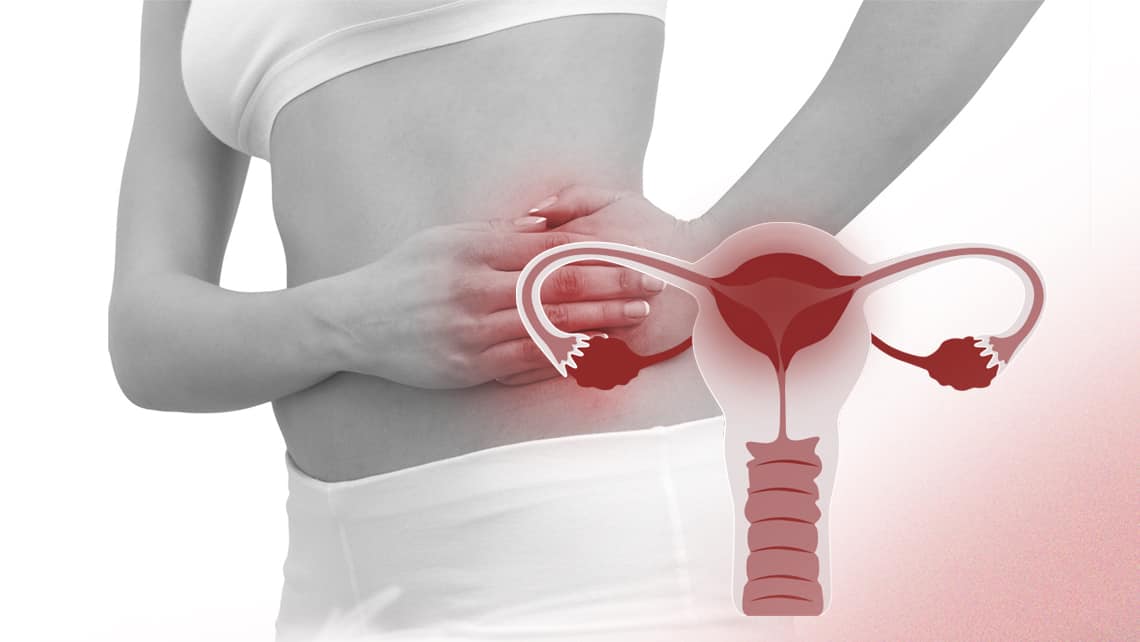
Pelvic inflammatory disease (PID) refers to an infection of the female reproductive system including the uterus, ovaries, and/or fallopian tubes.
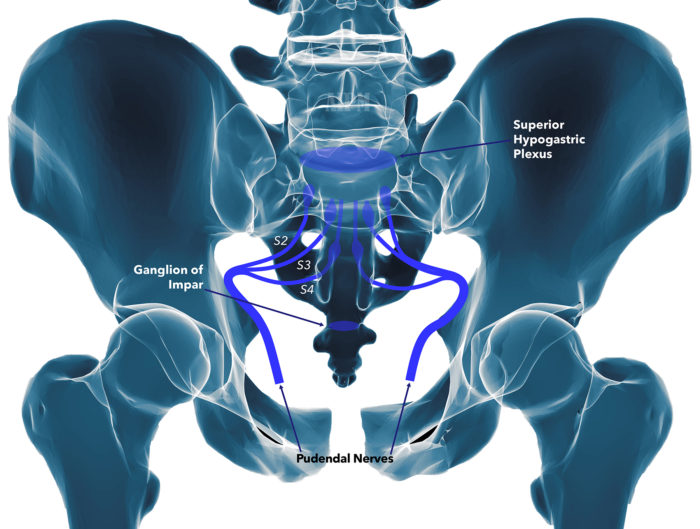
Pudendal neuralgia, or pudendal nerve entrapment, refers to nerve pain that is located in the genitals, buttock, anus, or pelvic region due to damage or irritation from compression of the pudendal nerve.

Levator ani syndrome is a type of pelvic floor dysfunction in which the muscles are chronically contracted resulting in chronic myofascial pain.
Postpartum pain refers to the discomfort or pain experienced by a person after giving birth. This pain can be caused by various factors and can vary in intensity and duration.
A c-section refers to the delivery of a newborn through a vertical or horizontal cut in the lower abdominal and uterine wall.
Uterine pain refers to discomfort or pain felt in the lower abdomen where the uterus is located. It can be acute or chronic and may vary in intensity and duration.
Endometriosis is a common condition among women of reproductive age, and occurs when endometrium, the tissue that normally lines the uterus, grows outside of the uterus. The most common location for abnormal endometrium growth is the ovaries, but the fallopian tubes, ligaments around the uterus, gastrointestinal tract, urinary system, or other locations in the body may be involved.
Ovarian pain refers to pain felt in the lower abdomen or pelvis, and can be caused by a number conditions related to menstruation and the ovaries.
Vaginal pain, also known as vulvodynia when chronic and without a clear cause, refers to discomfort or pain in the vaginal area. This pain can vary in intensity and duration and might be described as burning, stinging, irritation, or soreness. It can be constant or intermittent and can occur during activities like sitting, exercising, urinating, or having sex.
Pelvic pain in men refers to discomfort or pain in the lower abdomen, pelvis, or perineum (the area between the scrotum and anus). The pain can range from mild to severe and may be acute (short-term) or chronic (lasting more than three months). Prompt evaluation is important because pelvic pain can signal underlying conditions that need medical treatment. For comprehensive care, visit Maywell Health or contact us.
Pelvic floor relaxation, or sometimes referred to as pelvic floor dysfunction (PFD), is a condition characterized by the inability of the pelvic floor muscles to relax or coordinate properly. These muscles, which support the pelvic organs and help control bladder and bowel function, can become tight, weak, or spastic, leading to a range of symptoms.
Pelvic inflammatory disease (PID) refers to an infection of the female reproductive system including the uterus, ovaries, and/or fallopian tubes.
Pudendal neuralgia, or pudendal nerve entrapment, refers to nerve pain that is located in the genitals, buttock, anus, or pelvic region due to damage or irritation from compression of the pudendal nerve.
Levator ani syndrome is a type of pelvic floor dysfunction in which the muscles are chronically contracted resulting in chronic myofascial pain.