
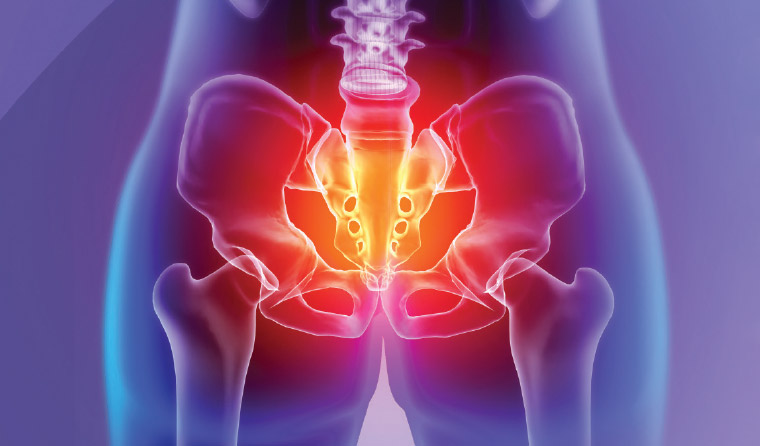
Causes of Pelvic Pain
Pelvic pain can result from a variety of medical issues, including:
-
Prostatitis – Inflammation of the prostate gland, often caused by bacterial infection.
-
Urinary Tract Infections (UTIs) – Infection in the bladder, urethra, or other parts of the urinary system.
-
Hernias – When part of an organ pushes through surrounding tissue, often in the groin.
-
Kidney Stones – Hard mineral deposits that form inside the kidneys and cause sharp pain when passing through the urinary tract.
-
Sexually Transmitted Infections (STIs) – Such as chlamydia or gonorrhea.
-
Pelvic Floor Dysfunction – Problems with muscles and ligaments in the pelvic floor, often causing pain or urinary issues. Learn more about pelvic floor dysfunction.
-
Chronic Pelvic Pain Syndrome (CPPS) – Persistent pelvic pain without a clear cause, often linked to prostatitis.
-
Pelvic Inflammatory Disease (PID) – Though more common in women, related infections and inflammation can affect pelvic structures. See pelvic inflammatory disease for more details.
Symptoms of Pelvic Pain
Symptoms vary depending on the cause but may include:
-
Constant or intermittent pain in the lower abdomen, pelvis, or perineum
-
Pain or burning during urination or ejaculation
-
Urgency or frequency in urination
-
Blood in urine or semen
-
Painful erections or erectile dysfunction
-
Pain radiating to the lower back or thighs
Diagnosis of Pelvic Pain
A thorough evaluation helps identify the cause:
-
Medical History – Discussion of symptoms, sexual history, and prior medical issues
-
Physical Examination – Assessment of the abdomen, pelvis, and genitals
-
Urine and Blood Tests – Check for infection or inflammation
-
Imaging – Ultrasound, CT, or MRI to evaluate internal structures
-
Cystoscopy – A camera-based procedure to inspect the bladder and urethra
Treatment of Pelvic Pain
Treatment depends on the underlying cause and may include:
-
Medications –
-
Antibiotics for bacterial infections such as prostatitis or UTIs
-
Pain relievers and anti-inflammatory drugs
-
Alpha-blockers to relax the muscles of the bladder and prostate in prostatitis or CPPS
-
-
Physical Therapy – Exercises and techniques to strengthen pelvic floor muscles and reduce pain
-
Lifestyle Modifications – Dietary changes, hydration, and regular exercise
-
Psychotherapy – Cognitive-behavioral therapy to manage chronic pain and related anxiety or depression
-
Surgical Care – For structural issues like hernias or large kidney stones requiring removal
For specialized interventional pain treatments, including advanced nerve blocks and targeted therapies, see our pelvic pain specialist NYC treatment page. You may also find value in our articles on multidisciplinary approaches and our comprehensive guide to pelvic pain treatment.
Procedure Videos
Superior Hypogastric Nerve Block
Lumbar Sympathetic Nerve Block
Peripheral Nerve Stimulation
Pudendal Nerve Block
Obturator Internus Nerve Block
Prognosis
With correct diagnosis and treatment, many men experience significant relief. Chronic pelvic pain may need ongoing management with physical therapy and lifestyle adjustments but can still lead to an improved quality of life.
Resources
https://my.clevelandclinic.org/health/diseases/15319-prostatitis
https://www.mayoclinic.org/symptoms/pelvic-pain/basics/causes/sym-20050898
https://my.clevelandclinic.org/health/symptoms/12106-pelvic-pain
https://www.hopkinsmedicine.org/health/conditions-and-diseases/pelvic-pain