
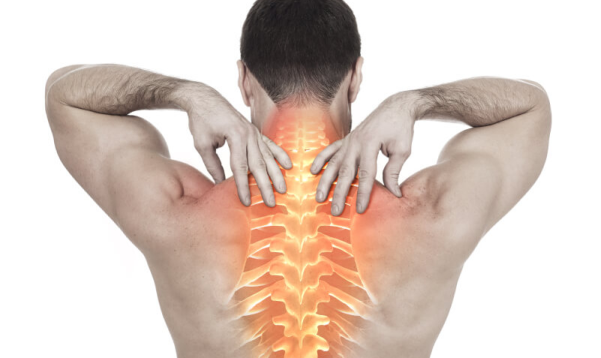
Post Herpetic Neuralgia (PHN) is a condition that can occur after a bout of shingles, causing persistent pain. This guide will help you understand what PHN is, its common signs and symptoms, and the different ways doctors can help when someone experiences it.
Shingles, also known as herpes zoster, is a viral infection that can cause a painful rash. This guide will help you understand what shingles is, its common signs and symptoms, and the different ways doctors can help when someone experiences it.
What is Shingles?
Imagine your body as a fortress that defends against invaders like viruses. Shingles happens when a virus called the varicella-zoster virus, which causes chickenpox, becomes active again in your body. It’s like a sneaky intruder breaking into your fortress after a long nap.
What is Post Herpetic Neuralgia (PHN)?
Imagine your body as a complex electrical system, and your nerves are like wires sending messages to your brain. PHN happens when the nerves are damaged during a shingles outbreak, causing lingering pain even after the rash has healed. It’s like having a sunburn that never goes away.
Causes of Postherpetic Neuralgia
Postherpetic neuralgia is a complication of shingles, a painful blistering rash caused by the reactivation of the varicella-zoster virus. Varicella-zoster virus is also the cause of chickenpox. There risk of developing postherpetic neuralgia increases with age. Additional risk factors include immunosuppression, severe pain during the shingles episode, and ocular involvement.
Signs and Symptoms
Shingles Symptoms
-
Pain: Shingles often begins with pain, itching, or tingling in a specific area of your skin.
-
Rash: A few days after the pain starts, a red rash appears, typically in a single stripe or band on one side of your body or face.
-
Blisters: The rash turns into fluid-filled blisters that can be quite painful.
-
Flu-Like Symptoms: Some people may experience fever, headache, and fatigue.
-
Itching: The affected area may itch intensely.
Postherpetic Neuralgia Symptoms
Pain in the same distribution as the shingles rash, lasting greater than 3 months. Pain may be described as burning, sharp, stabbing, shooting, throbbing, or like electric shocks.
Allodynia: increased sensitivity to pain
Paresthesias: tingling, prickling, or “pins and needles”
Dysesthesia: abnormal or unpleasant sensation in response to touch
Itching
Numbness
-
Persistent Pain: PHN is characterized by ongoing pain, often described as burning, sharp, or stabbing, in the area where shingles occurred.
-
Sensitivity: The affected area may become hypersensitive to touch, making even gentle contact painful.
-
Itching: Some people experience itching or tingling sensations in the affected area.
-
Numbness: In some cases, there may be areas of numbness or reduced sensation.
-
Sleep Disturbance: PHN can make it difficult to sleep, leading to fatigue and irritability.
Causes of Postherpetic Neuralgia
Postherpetic neuralgia is a complication of shingles, a painful blistering rash caused by the reactivation of the varicella-zoster virus. Varicella-zoster virus is also the cause of chickenpox. There risk of developing postherpetic neuralgia increases with age. Additional risk factors include immunosuppression, severe pain during the shingles episode, and ocular involvement.
Symptoms of Postherpetic Neuralgia
Pain in the same distribution as the shingles rash, lasting greater than 3 months. Pain may be described as burning, sharp, stabbing, shooting, throbbing, or like electric shocks.
- Allodynia: increased sensitivity to pain
- Paresthesias: tingling, prickling, or “pins and needles”
- Dysesthesia: abnormal or unpleasant sensation in response to touch
- Itching
- Numbness
Impact of Postherpetic Neuralgia
The pain associated with postherpetic neuralgia can be severe and debilitating. Severe symptoms of postherpetic neuralgia can be physically, emotionally, and socially burdensome. Affected individuals may face challenges with sleep, appetite, and libido. Consult with your physician if you’re experiencing debilitating symptoms and/or changes in mood and energy levels.
Diagnosis of Postherpetic Neuralgia
Diagnosing postherpetic neuralgia is typically clinical, based on medical history and physical examination, though other diagnostic tests may be performed.
Medical History: Discussion of symptoms and past medical conditions.
Physical Examination: Examination of the area of pain, dermatologic examination, neurologic examination.
Treatment of Postherpetic Neuralgia
Treatment options for postherpetic neuralgia include:
Conservative Treatments: Non-surgical approaches include:
Pain Relieving Medications: Tricyclic antidepressants, such as amitriptyline, or anticonvulsants, such as pregabalin or gabapentin, may be used to relieve pain associated with postherpetic neuralgia. Topical treatments, such as capsaicin or lidocaine patches, may also provide some relief. In severe cases, opioids may be used to manage pain.
Hormonal Contraceptives: Oral contraception, intrauterine devices (IUDs), or other forms of hormonal birth control can help to regulate hormonal levels and reduce pain associated with endometriosis.
Additional Hormonal Therapies: Synthetic androgens, such as danazol, or GnRH agonists, such as buserelin or goserelin, may be used.
Pain Medicine Intervention: When conservative measures are ineffective or symptoms worsen, more invasive pain interventions may be considered:
Nerve Blocks: Targeted injections of local anesthetic near affected nerves to reduce pain.
Procedure Videos
Sympathetic Nerve Block Injection
Prognosis of Postherpetic Neuralgia
Postherpetic neuralgia pain typically decreases over the first year, but in certain cases pain can persist for years. However, there is no cure for postherpetic neuralgia, and many patients will continue to have symptoms to some extent.
Anatomical Structures
Understanding your body’s anatomy can help you grasp shingles and postherpetic neuralgia better.
– Nerves: Shingles affects nerves in your body, which is why it can be so painful.
– Varicella-Zoster Virus: This virus remains in your body after you have chickenpox, and it can reactivate to cause shingles later in life.
– Skin: The rash and blisters appear on your skin, following the path of the affected nerve.
– Spinal Cord: Nerves from the affected area connect to the spinal cord and then to the brain.
Prognosis of Postherpetic Neuralgia
Postherpetic neuralgia pain typically decreases over the first year, but in certain cases pain can persist for years. However, there is no cure for postherpetic neuralgia, and many patients will continue to have symptoms to some extent.
Conclusion
PHN can be challenging, but there are ways to manage it. The most important thing is to work closely with healthcare professionals to find the right treatment plan for you. Don’t be afraid to ask questions and seek support from your medical team and loved ones. With the right care, many people with PHN can find relief and get back to enjoying their daily activities. Remember, you’re not alone in dealing with this condition, and there’s help available to make life more comfortable.
Shingles can be uncomfortable, but there are ways to manage it. The most important thing is to seek medical attention if you suspect you have shingles, especially if you’re at risk of complications. Work closely with healthcare professionals to find the right treatment plan for you. Don’t be afraid to ask questions and seek support from your medical team and loved ones. With the right care, many people with shingles can recover and resume their normal activities. Remember, you’re not alone in dealing with this condition, and there’s help available to make life more comfortable.
References
Gruver C, Guthmiller KB. Postherpetic neuralgia. In: StatPearls. StatPearls Publishing; 2024.
Postherpetic Neuralgia. Cleveland Clinic. https://my.clevelandclinic.org/health/diseases/12093-postherpetic-neuralgia. Accessed December 6, 2024
Johnson RW, Rice ASC. Clinical practice. Postherpetic neuralgia. N Engl J Med. 2014;371(16):1526-1533.