Causes of Herniated and Bulging Discs
Herniated and bulging discs occur for several reasons, including age, injury, or lifestyle factors. Common causes include:
-
Age-related wear and tear: Discs lose flexibility and are more prone to cracks over time.
-
Injury or trauma: Lifting heavy objects or sudden impacts can stress the discs.
-
Lifestyle factors: Obesity, smoking, and repetitive motions accelerate disc degeneration.
-
Gender & genetics: Males are slightly more prone; family history may increase risk.
For neck-specific issues, see Cervical Herniated Disc.
Symptoms of Herniated and Bulging Discs
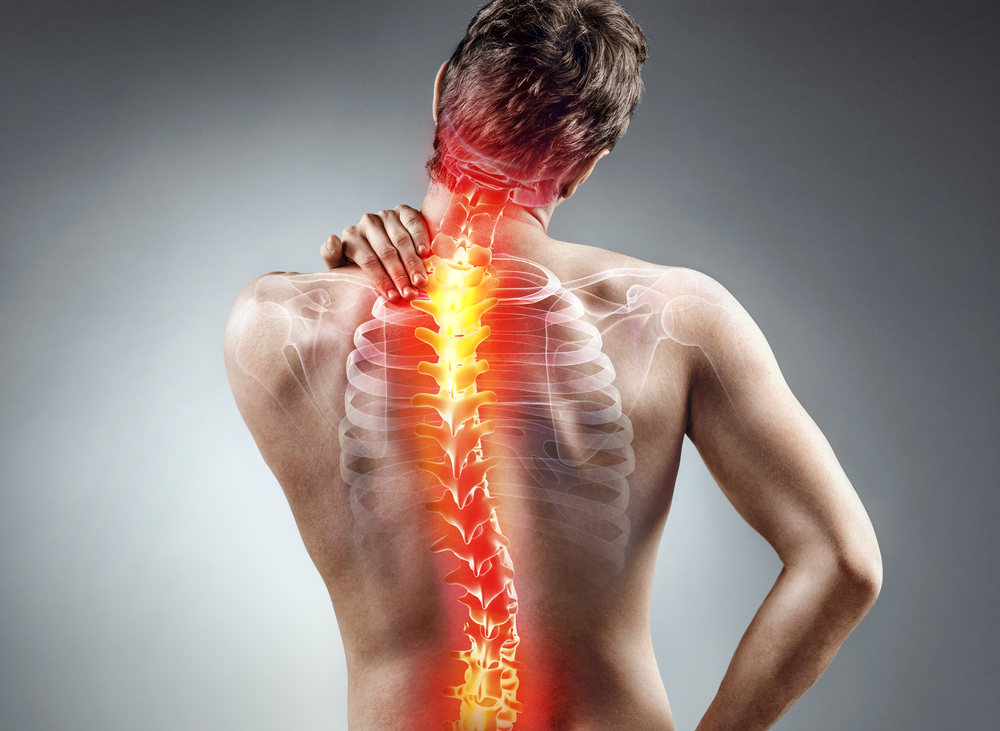
Symptoms vary based on the disc location and nerve involvement.
Herniated Disc Symptoms:
-
Back or neck pain (depending on the disc level)
-
Tingling or pins-and-needles in arms, legs, or feet
-
Numbness in affected areas
-
Weakness that may affect walking, lifting, or bending
Bulging Disc Symptoms:
-
Similar to herniated discs, including numbness and back pain
-
Sciatic pain: radiating from lower back to buttocks, hips, and legs
-
Occasional stiffness or discomfort while sitting, walking, or bending
Related conditions can also affect knee pain and osteoarthritis.
Prognosis & Potential Complications
-
Many herniated discs heal naturally over time with rest, physical therapy, and conservative care.
-
Severe cases may require surgical intervention.
-
Rare but serious complications include cauda equina syndrome, which involves extreme lower back pain, weakness, numbness, and bowel or bladder issues.
Diagnosis of Herniated and Bulging Discs
-
Medical History: Review of symptoms and onset of pain
-
Physical Examination: Muscle strength, reflexes, and range of motion testing
-
Diagnostic Imaging: X-rays, MRI, or CT scans to visualize the disc and nerve involvement
Visit Maywell Health Home for more resources.
Treatment Options
Conservative Care: Rest, physical therapy, and lifestyle modifications.
Medications: Over-the-counter or prescription anti-inflammatories.
Interventional Treatments: Epidural steroid injections or guided injections.
Surgical Options: Microdiscectomy, partial disc removal, or artificial disc replacement for severe cases.
For cervical-specific interventions, see Cervical Herniated Disc.
Procedure Videos
Epidural Steroid Injection
Microdiscectomy
FAQ’s
Q1: What’s the difference between a bulging and herniated disc?
A: A bulging disc extends beyond its normal boundary but the outer layer remains intact. A herniated disc involves a tear in the outer layer, allowing inner material to leak and possibly irritate nearby nerves.
Q2: Can herniated discs heal naturally?
A: Yes, many herniated discs improve over time with rest, physical therapy, and conservative care. Severe cases may require medical intervention.
Q3: When should I see a specialist?
A: Seek medical attention if you experience severe pain, numbness, weakness, or bladder/bowel issues.
References
https://arizonapain.com/conditions/bulging-discs/
https://arizonapain.com/conditions/herniated-discs-symptoms-causes-and-treatments/
https://brochure.viewmedica.com/1382/herniateddisc/en