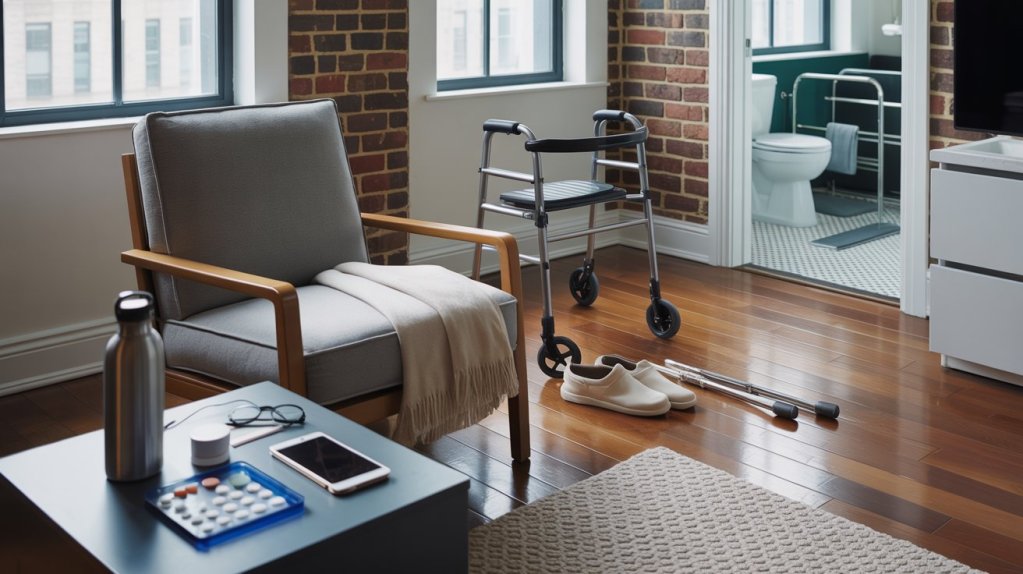
Preparing your home before spinal surgery is one of the most important steps for a smooth recovery.
The first 2 to 6 weeks after lumbar surgery require careful movement. Most patients are instructed to avoid bending, lifting, and twisting. In a city like NYC, where apartments are compact and stairs are common, planning ahead can prevent setbacks.
Whether you are recovering from a Microdiscectomy or another lumbar procedure, setting up your environment properly protects healing tissues and reduces fall risk.
Step 1: Create a Main-Level Recovery Zone
If you live in a multi-level home or walk-up apartment, minimize stair use during early recovery.
Set Up a Temporary Sleeping Area
- Choose a firm mattress that is at hip height
• Avoid very low platform beds
• Practice the log roll technique before surgery
The log roll method allows you to move from lying down to sitting without twisting your spine.
Choose Supportive Seating
- Use a firm chair with armrests
• Avoid deep couches that are difficult to stand from
• Keep a small lumbar pillow for support
Build a Bedside Station
Place essential items within arm’s reach:
- Water bottle
• Medications
• Phone and charger
• TV remote
• Tissues
• Reading material
Reducing unnecessary movement helps prevent strain during the early healing phase.
Step 2: Make Your Bathroom Safer
The bathroom is one of the highest fall-risk areas after surgery.
Install a Raised Toilet Seat
Standing from a low toilet increases spinal strain. A raised seat with arm supports makes transfers safer.
Use a Shower Chair or Bench
Standing for long periods in a slippery environment increases fall risk. A shower chair allows you to bathe safely without fatigue.
Add Non-Slip Mats
Place rubber mats inside and outside the shower.
Use Long-Handled Tools
- Long-handled sponge
• Pump-style soap dispenser
• Handheld shower head if possible
Avoid bending forward at the waist.
Step 3: Prepare for “No Bend, No Lift, No Twist” Living
Most lumbar surgery patients follow basic movement restrictions during early recovery.
Declutter Walking Paths
- Remove throw rugs
• Secure loose cords
• Clear narrow hallways
• Improve lighting
Even minor trips can strain healing tissues.
Reorganize Essential Items
Move frequently used items to waist level:
- Kitchen utensils
• Toiletries
• Clothing
• Medications
Avoid reaching into low cabinets or high shelves.
Purchase a Grabber Tool
A long-handled reaching device allows you to pick up items without bending.
If you are unsure about movement restrictions after surgery, consult a Pain Management Specialist in NYC for personalized guidance.
Step 4: Plan Kitchen and Meal Preparation
Preparing meals after surgery can be challenging, especially in small NYC kitchens.
Pre-Cook and Freeze Meals
Prepare simple, balanced meals before surgery and freeze them in single-serving containers.
Keep Essentials Accessible
Store plates, cups, and cookware on counters or mid-level shelves.
Prioritize Hydration
Keep water within reach at all times. A small cooler or bedside bottle can reduce unnecessary trips.
Here is Part 2, structured clearly, professionally formatted, and conversion-focused.
Step 5: Arrange Support Before Surgery
Recovery is smoother when help is arranged in advance. Even simple daily tasks can become difficult during the first week.
In-Home Assistance
Arrange for a trusted person to help with:
- Bathing and dressing
• Meal preparation
• Medication reminders
• Household chores
If family is unavailable, consider short-term professional caregiving support.
Step 6: Plan NYC-Specific Logistics
Living in New York City presents unique challenges during recovery.
Grocery and Meal Delivery
Set up delivery services before surgery so you do not need to leave your home.
Arrange:
- Grocery delivery
• Pharmacy delivery
• Prepared meal services
Avoid carrying heavy bags during recovery.
Laundry Planning
Laundry baskets can exceed lifting limits after spinal surgery.
- Complete laundry before surgery
• Arrange help for at least the first two weeks
• Avoid lifting wet clothing or heavy bedding
Pet Care Arrangements
Walking a dog or bending to refill food bowls can strain your back.
- Arrange dog walking services
• Elevate pet bowls to waist height
• Ask for assistance with litter boxes
Planning ahead prevents sudden twisting or lifting motions that could compromise healing.
Step 7: Essential Recovery Equipment Checklist
Having the right tools nearby increases independence and safety.
Clothing
- Loose-fitting clothing
• Elastic waistbands
• Slip-on shoes with good traction
Avoid shoes that require bending to tie laces.
Comfort and Pain Relief
- Ice packs for inflammation
• Heating pad if approved by your provider
• Extra pillows for positioning support
Mobility Aids
If recommended:
- Walker
• Cane
• Raised bed rail
Use only devices approved by your physician.
Medication Management
- Pill organizer
• Written medication schedule
• Alarm reminders
Proper medication timing improves comfort and recovery progress.
When to Call Your Surgeon or Specialist
Contact your medical team immediately if you experience:
- Fever or chills
• Increasing redness or drainage at the incision site
• Sudden worsening leg weakness
• Loss of bowel or bladder control
• Chest pain or shortness of breath
Early intervention prevents complications.
If you have concerns during recovery, follow up with your Pain Management Specialist in NYC
for evaluation and guidance.
Patients in Queens may schedule follow-up care at our Pain Management Astoria location.
Patients on Long Island can visit our Pain Management Plainview location.
Final Thoughts: Recovery Starts Before Surgery
Preparing your home in advance reduces stress, protects your spine, and allows you to focus on healing.
Small adjustments such as clearing walkways, reorganizing shelves, and setting up a recovery zone can significantly reduce fall risk and unnecessary strain.
If you are preparing for lumbar surgery or recovering from a Microdiscectomy, personalized follow-up care ensures proper healing and long-term success.
To schedule a consultation or discuss post-operative planning, visit our
Contact page. Thoughtful preparation today leads to safer recovery tomorrow.