TL;DR / Key takeaways
- Small daily habits (pacing, sleep hygiene, hydration) can reduce CRPS flare-ups and improve function.
- Mind–body tools like paced breathing, mindfulness, and progressive muscle relaxation help lower pain-related stress.
- Gentle, graded movement restores confidence and mobility without overloading sensitive nerves.
- These strategies complement medical treatment — they’re meant to be used alongside your care team.
Introduction
Living with Complex Regional Pain Syndrome (CRPS) can feel overwhelming — pain, sensitivity, and uncertainty affect everyday life. This guide offers practical, realistic steps you can use every day to reduce flare-ups, improve comfort, and regain a sense of control. The tips focus on simple routines (pacing activities, sleep and hydration habits), easy mind–body techniques (breathing exercises, body awareness), and safe ways to begin moving again without triggering pain. These approaches are designed to support — not replace — clinical care; work with your provider to adapt them to your situation. For more on diagnosis and medical options, see Maywell Health’s CRPS overview.
What Is CRPS and Why Daily Habits Matter
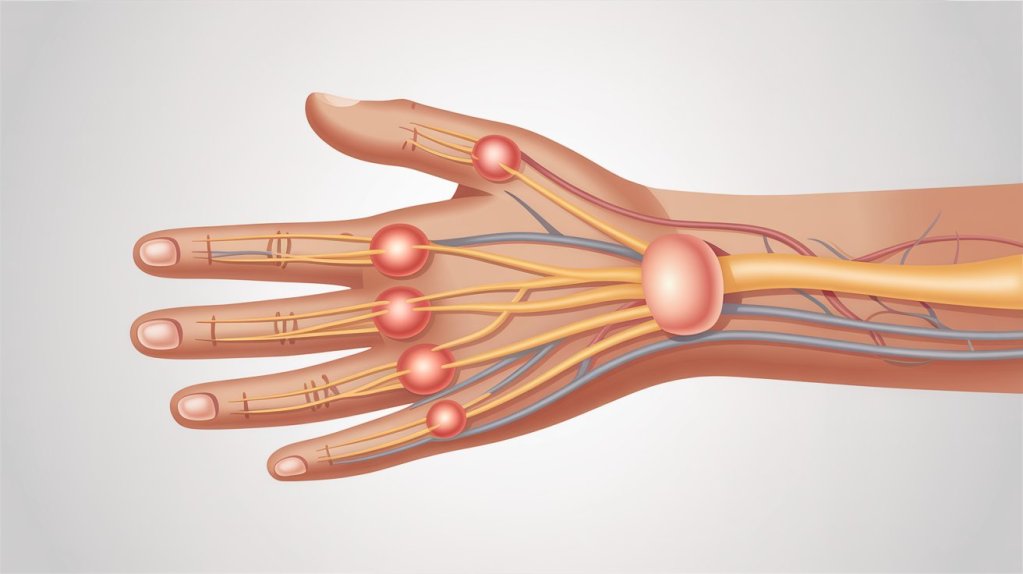
Complex Regional Pain Syndrome (CRPS) is a chronic pain condition that usually affects a limb after an injury or surgery. It involves nerve dysfunction, heightened inflammation, and hypersensitivity — even light touch or movement can trigger severe pain. Over time, this sensitivity may spread or lead to mobility issues and emotional stress.
While medical treatments play a critical role, your daily routines directly affect how your nervous system responds to pain. Stress, poor sleep, overactivity, or even dehydration can increase symptom intensity. On the flip side, small, consistent changes — like pacing your tasks, staying hydrated, or practicing calming techniques — can lower the intensity of flare-ups and improve your resilience.
This is why your habits matter. CRPS involves both physical and nervous system pathways, so addressing it from multiple angles—body, mind, and environment—offers the best long-term support. You’re not powerless between clinic visits. The way you structure your day matters more than you think.
🔗 Explore more about our approach to comprehensive care at Maywell Health
Daily Habits to Help Reduce Flare-Ups
Daily life with CRPS can feel like walking a tightrope — too much activity worsens symptoms, but total rest can weaken the body and increase stiffness. That’s why structured, intentional daily habits are critical. These small routines support nervous system regulation and help reduce flare-ups over time.
🧭 1. Practice Activity Pacing
Pacing means balancing activity with rest. Use a timer to limit physical tasks (e.g., 15 minutes of walking or cleaning) followed by a brief break. Keep a daily log to notice which tasks trigger symptoms — this helps you adjust without pushing too far.
💤 2. Prioritize Sleep Hygiene
Poor sleep heightens nerve sensitivity. Build a relaxing bedtime routine: dim lights, avoid screens for 1 hour before sleep, and go to bed at the same time daily. A dark, cool room helps promote deeper rest.
💧 3. Stay Hydrated
Dehydration increases inflammation and fatigue. Aim for consistent water intake across your day, especially if you’re also managing medications or physical therapy.
💺 4. Ergonomics Matter
Posture affects circulation and pain. Adjust chairs, desks, and tools to support your body. Use a cushion or support brace if recommended by your provider. Small ergonomic improvements can make a big difference in daily comfort.
These simple adjustments don’t cure CRPS — but they lay the foundation for more stable days, fewer setbacks, and a stronger sense of control.
🔗 Learn more about medical and interventional options in our Pain Management Services
Mind–Body Techniques That Support Healing
When living with CRPS, pain isn’t just physical — it’s also shaped by emotions, stress, and nervous system overactivity. This is where mind–body techniques come in. These tools calm the nervous system, improve emotional balance, and help you build confidence in your body again.
🧘♀️ 1. Deep Breathing for Nervous System Reset
Slow, rhythmic breathing (in through the nose for 4 counts, out through the mouth for 6) helps shift your body from “fight or flight” into a calmer parasympathetic state. Just 5 minutes a day can reduce pain perception and anxiety.
🪞 2. Body Scanning & Awareness
CRPS often causes people to disconnect from the painful limb. Try a gentle body scan meditation—bring awareness to each part of your body without judgment. This retrains your brain’s connection with affected areas and can gradually restore balance.
🌀 3. Guided Visualization
Mentally rehearsing movement without actually performing it—also called graded motor imagery—can improve function in some CRPS patients. Visualizing pain-free movement activates similar brain regions as physical motion, creating safer neural pathways.
🎧 4. Soothing Audio & Distraction
Listening to calming sounds, nature tracks, or soft music can redirect focus during a flare-up. Try pairing these with breathing or progressive muscle relaxation for compounded benefits.
Mind–body techniques don’t replace medical care — but they help you gain back control over how your body reacts to pain.
🔗 Support is available beyond physical treatment—see our Behavioral Health Services for integrated care.
Safe Movement and Gentle Reconditioning
With CRPS, fear of movement is understandable — even mild activity can cause intense flare-ups. But staying still too long leads to muscle loss, joint stiffness, and worsening pain sensitivity. The key is gentle, gradual reconditioning that respects your limits and retrains your nervous system.
🚶♂️ 1. Start Small and Structured
Begin with short, tolerable movements — even ankle pumps or finger stretches. Stick to a consistent schedule (e.g., 5 minutes, 2–3 times per day) to build confidence without triggering symptoms.
🔁 2. Use the “Boom-Bust” Rule
Avoid the “push hard, crash later” cycle. If movement feels easy one day, don’t overdo it. Progress is more sustainable with slow increases — think 5–10% more effort per week, not per day.
🧠 3. Explore Graded Motor Imagery (GMI)
Before even moving, some patients benefit from imagining movement, then progressing to mirror therapy or virtual motion tools. This helps rewire the brain to reduce fear and restore coordination.
🧩 4. Work with a CRPS-Savvy Provider
A pain specialist or physical therapist familiar with CRPS can help design a program suited to your sensitivity level. They can help you adjust posture, identify pain-free range of motion, and prevent setbacks.
Movement is medicine—but only when done gently, mindfully, and under the right guidance.
🔗 Explore support with our Pain Management Specialists in NYC for individualized care.
When to Seek Medical Help
While daily habits and mind–body techniques can make a difference, CRPS is a complex condition that often requires medical intervention. If your symptoms are persistent, worsening, or interfering with your daily life, it’s time to seek professional help.
🚩 Signs You Should Call a Specialist:
- Sudden increase in pain that doesn’t respond to home strategies
- Loss of movement or function in the affected limb
- Color or temperature changes (redness, bluish tones, extreme cold)
- Swelling or stiffness that continues to worsen
- Severe emotional distress, anxiety, or depression related to pain
You don’t have to wait until it’s unbearable. The earlier you act, the more options you have — including advanced treatments, interventional procedures, and integrated behavioral support.
If you’re unsure, speak with a pain specialist who understands CRPS and can evaluate your condition holistically.
🔗 Reach out to us directly via our Contact Page to get started or ask a question.
How Maywell Health Supports Your CRPS Journey
Managing CRPS requires more than just symptom control — it calls for a coordinated, compassionate approach that treats the whole person. At Maywell Health, we understand the complex nature of chronic pain and the toll it takes on your life, mobility, and mental wellbeing.
That’s why our care model blends medical expertise with behavioral health, physical therapy, and patient education. Whether you’re just starting your CRPS journey or exploring new options after years of discomfort, our team will listen, tailor your care, and adjust based on your body’s responses.
You’ll have access to:
- Board-certified pain management physicians
- Behavioral health support for stress, anxiety, and trauma related to chronic pain
- Personalized treatment plans using evidence-based therapies
- Guidance on safe movement, pacing, and flare-up management
You’re not just treated — you’re supported every step of the way.
🔗 Learn more about our whole-person philosophy on our Services page
Explore a Location Near You
CRPS can limit mobility and independence — so finding expert care close to home matters. Maywell Health offers pain management services across several convenient locations in New York, ensuring you can receive high-quality, personalized support without traveling far.
Each of our locations is staffed by professionals trained in chronic pain and neurological sensitivity. Whether you need an initial evaluation, interventional treatment, or ongoing support, we’re here to help — right in your community.
📍 Looking for care near Long Island?
🔗 Learn more about our Plainview pain management clinic and how we support CRPS patients locally.
Take the Next Step Toward Relief
You don’t have to navigate CRPS alone. Relief is possible — and it starts with a conversation. Whether you’re exploring treatment options for the first time or seeking a second opinion, our team at Maywell Health is here to guide you with compassion, clarity, and experience.
Getting started is simple. We’ll listen to your concerns, answer your questions, and recommend a personalized care plan that supports your goals and daily life.
🔗 If you’re a referring provider or want to coordinate care for a loved one, visit our Physician Referrals page for more information.
What Patients Are Saying
Living with CRPS is deeply personal — and finding a care team that listens, supports, and adapts to your needs can make all the difference. At Maywell Health, our patients frequently share how personalized attention, clear communication, and holistic care have helped them take meaningful steps toward relief.
From initial consultation to long-term management, we prioritize your comfort, safety, and empowerment. Every patient’s story is unique — and we’re proud to be a trusted part of their journey.
🔗 Read more real experiences on our Reviews page