
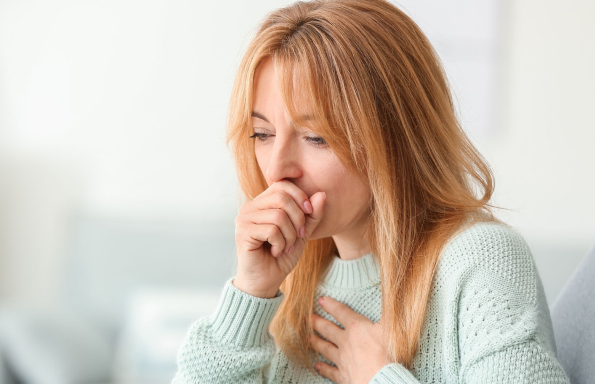
Causes of Long COVID
Long COVID can be caused by various factors, including:
Viral Persistence: Some individuals may experience persistent viral fragments or low-level viral replication in tissues, despite the acute infection resolving. This viral persistence can contribute to ongoing symptoms and inflammation.
Immune Dysregulation: Long COVID may involve dysregulation of the immune system, where the body continues to mount an immune response even after the virus is no longer detectable. This sustained immune activation can lead to chronic inflammation and tissue damage.
Endothelial Dysfunction: COVID-19 can cause damage to the endothelial cells lining blood vessels, leading to endothelial dysfunction. This dysfunction can result in impaired blood flow, microvascular clotting, and chronic inflammation, contributing to symptoms such as fatigue and neurological impairments.
Neurological Invasion: The SARS-CoV-2 virus has been shown to invade the central nervous system, potentially leading to neurological complications and persistent symptoms such as cognitive dysfunction, headaches, and loss of smell or taste.
Pre-existing Health Conditions: Individuals with underlying health conditions, such as cardiovascular disease, diabetes, or obesity, may be more susceptible to developing Long COVID due to compromised immune function or increased inflammation.
Psychological Factors: Psychological stress and trauma associated with severe illness or hospitalization during the acute phase of COVID-19 can also contribute to the development and persistence of Long COVID symptoms, including anxiety, depression, and post-traumatic stress disorder (PTSD).
Symptoms of Long COVID
If symptoms of Long COVID develop, they may progress and worsen gradually over time. Common symptoms include:
- Persistent and profound fatigue
- Difficulty breathing or shortness of breath
- Chest pain or tightness
- Cognitive difficulties, often described as “brain fog”
- Muscle or joint pain
- Recurrent headaches
- Loss of taste or smell
- Mood changes, such as anxiety or depression
- Gastrointestinal symptoms like nausea, diarrhea, or abdominal pain
Impact of Long COVID
Cervical stenosis can lead to several conditions:
- Cervical myelopathy: The abnormal pressure placed on the spinal cord causes damage and results in spinal cord dysfunction.
- Cervical radiculopathy: Cervical radiculopathy occurs when the nerve roots connecting the spinal cord are injured or pinched as they exit the spinal canal.
- Myeloradiculopathy: Myeloradiculopathy occurs when there is damage to the spinal cord and nerve roots.
Diagnosis of Long COVID
Diagnosing long COVID typically involves:
Medical History: Reviewing symptoms and previous COVID-19 infection.
Physical Examination: Assessing current symptoms and physical health.
Diagnostic Tests: Blood tests, imaging (e.g., chest X-ray, CT scan), or specialized tests as needed.
Treatment of Long COVID
Treatment options include:
Conservative Treatments:
Symptomatic Relief: Medications such as pain relievers or anti-inflammatory drugs.
Physical Therapy: Exercises to improve strength, flexibility, and respiratory function.
Occupational Therapy: Strategies to manage daily activities and conserve energy.
Psychological Support: Counseling or therapy to address mental health challenges.
Interventional Treatments:
Respiratory Therapy: Inhalers, oxygen therapy, or pulmonary rehabilitation for respiratory symptoms.
Cardiac Rehabilitation: Exercise programs or medications to manage cardiovascular issues.
Rehabilitation Programs: Comprehensive programs addressing multiple symptoms and functional impairments.
Supportive Care:
Multidisciplinary Approach: Coordinated care involving various specialists (e.g., pulmonologists, neurologists, psychiatrists).
Patient Education: Providing information on managing symptoms, self-care, and recognizing worsening conditions.