
Causes of Osteoporosis
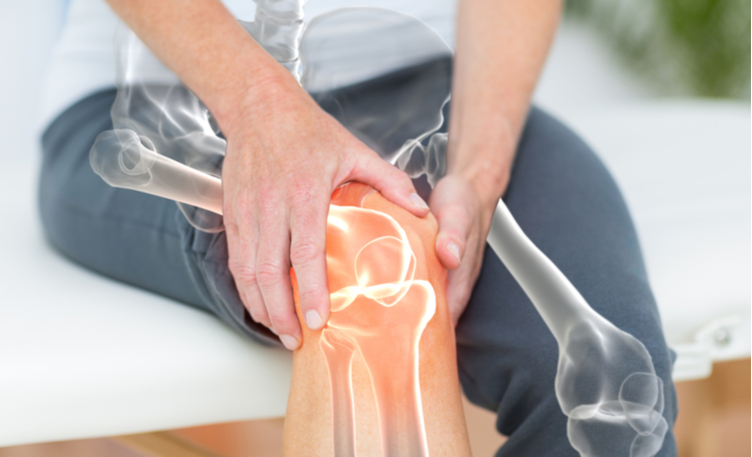
Normally, your bone is constantly breaking down and rebuilding, in a cycle of “bone remodeling.” As people age, the changing levels of hormones in the body affect the rates of remodeling. Osteoporosis occurs when bone breaks down faster than it can rebuild itself.
There are many risk factors for primary osteoporosis:
Age: As we age, the process of breaking down bones gets faster than the rebuilding process, so the imbalance leads to loss of bone mass and bone integrity, allowing it to become more weak, brittle, and susceptible to fractures.
Gender: When women reach menopause, their estrogen levels drastically decrease, resulting in more bone being broken down than rebuilt. This is considered postmenopausal osteoporosis.
Race: White and Asian women are at most risk, while white men are at more risk than African American men and Mexican American men.
Family History: You are at more risk for osteoporosis and fractures if your parents have a history of hip fractures or osteoporosis.
Changes to hormones: Low levels of estrogen in women after menopause or premenopausal women having an abnormal absence of periods can lead to greater risk of osteoporosis. Men with lower testosterone are also at higher risk.
Diet: A diet low in calcium and vitamin D can increase the risk of osteoporosis and fractures. Excessive dieting and poor protein intake also increases the risk.
Other medical conditions & medications: Some medical conditions can increase the risk of osteoporosis, such as HIV/AIDS, anorexia nervosa, endocrine and hormonal diseases, rheumatoid arthritis, and certain types of cancer. Long-term use of medications (e.g. glucocorticoids and adrenocorticotropic hormone, antiepileptic medicine, cancer medications, proton pump inhibitors, SSRIs, thiazolidinediones) may also make you more likely to develop bone loss.
Lifestyle: Long periods of inactivity, chronic heavy drinking, and smoking are all risk factors for developing osteoporosis.
Symptoms of Osteoporosis
Osteoporosis is often called a “silent” disease since there are no typical symptoms until a bone is fractured or broken. Vertebral (spine) fracture symptoms include severe back pain, loss of height, or spine malformations such as a stooped/hunched posture, called kyphosis.
Prognosis of Osteoporosis
Osteoporosis is not a fatal disease, and patients often are able to manage its symptoms for the rest of their lives. Regular appointments with the doctor and bone density tests will ensure that the disease is progressing as it should, with the treatment plan given. Bone density should always be monitored so that the treatment can be adjusted as needed.
Patients should follow a healthy diet and exercise plan to maintain the bones’ overall health as long as possible, and avoid risky activities that may lead to bone fractures.
Impact of Osteoporosis
Bones affected by osteoporosis can become so fragile that fractures can spontaneously occur after minor falls or even normal stresses like bending over, lifting, and coughing.
Advanced osteoporosis can cause multiple fractures along the spine from something called compression fractures: the vertebral bodies collapse, having become too weak to support the daily pressure put on the spine from activities like walking.
Garvan Institute
Garvan presentation holistic
Diagnosis of Osteoporosis
Many people are not diagnosed until they experience complications from fractures. Screening is recommended for all women aged 65 and older, and men aged 70 and older in order to determine for diagnostic testing. Diagnosing osteoporosis typically involves:
Medical History: Your healthcare provider should ask about your comprehensive medical history, to take note of risk factors for osteoporosis.
Physical Examination: The healthcare provider will check for kyphosis, which is a hunch or emphasized curve of your upper back. They may also check your overall muscle strength, balance, and gait (the way you walk).
Diagnostic Imaging: The gold standard for osteoporosis screening is a dual energyx-ray absorptiometry (DEXA), or bone densitometry scan. It uses a low-level x-ray scan, measuring the Bone Mass Density (BMD) of your body and at various sites that are prone to fracture, such as the hip and spine. Standard x-rays, MRI, or CT scans may also be used to visualize spinal fractures that are already suspected.
Blood tests: A blood test may be ordered to check for vitamin D or calcium deficiency, hormone levels, and biochemical markers indicative of bone remodeling.
Treatment of Osteoporosis
The goal of osteoporosis treatment is to slow or stop bone loss and to prevent fractures.
Lifestyle Changes: Your healthcare provider may suggest dietary changes, such as including more foods that have vitamin D, protein, and calcium into a well-balanced diet. Good sources of calcium include dairy products, dark leafy greens, sardines and salmon, and calcium-fortified foods. Supplements may also be suggested if your diet still does not meet the recommended amounts. Another lifestyle change like quitting smoking and avoiding alcohol is also important for preventing further bone loss.
Nutrition: Specific nutrients are necessary in adequate amounts for building, maintaining, and supporting bone strength. If we do not get enough dietary calcium, our body will begin to take it from bones, causing them to weaken. Sources include dairy (milk, cheese, yogurt, kefir…), tofu, edamame, soy milk, leafy greens, almonds, and some fortified plant milks. Vitamin D is crucial for calcium absorption, bone mineralization, and maintaining muscle, which promotes bone strength, and decreases fall risk. Dietary sources of vitamin D are limited (oily fish, egg yolk, liver, fortified milk and breakfast cereals), so regular UV light exposure through the sun is best. Other essential micronutrients include vitamin C, vitamin K, omega-3s, vitamin B12, iron, zinc, phosphorus, magnesium, potassium, boron, and folate. It is ideal to get a variety of color on a daily basis to ensure you’re getting adequate amounts of these nutrients.
Exercise: Exercise is important for preventing bone loss and fractures. Building muscle mass, strength, and balance can be crucial for preventing falls and protecting the tissues around your bones. A physical therapist can also recommend exercises for strengthening the back muscles and teaching you safe ways for carrying out daily activities.
Medications: The doctor may prescribe medications for osteoporosis, such as biphosphonates, the most common kind. These work to slow down bone loss, and they include Alendronate (brand name Fosamax, Binosto), Ibandronate, Risedronate, and Zoledronic acid. Thyroid and hormone therapy treatments may also be used: Calcitonin (for postmenopausal women who cannot tolerate other medications), and estrogen/hormone replacements. Beyond these include other medication options like denosumab, RANKL inhibitors, and sclerostin inhibitors.
Kyphoplasty: This is a surgical procedure that is used to treat compression fractures that are usually caused by osteoporosis or spinal tumors. This minimally invasive procedure involves the surgeon making a small puncture through the skin, instead of a whole incision, after giving anesthesia. Once the needle is inserted into the affected vertebra, the surgeon will put an inflatable, balloon-like device into the vertebra through the needle, helping it to regain height and opening up a space for the surgeon to inject ‘bone cement’. This overall helps your bone from collapsing.