
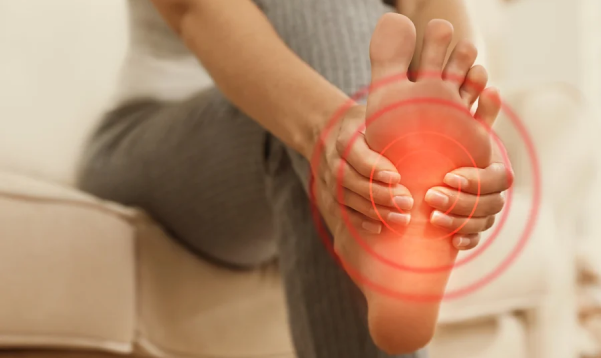
What is Allodynia?
Allodynia is a form of nerve-related pain (neuropathic pain) where normally harmless sensations — like light touch, clothing, or mild temperature changes — are perceived as painful.
There are three main types of allodynia:
- Tactile/Dynamic Allodynia: Pain caused by light touch or brushing against the skin.
- Pressure Allodynia: Pain from light pressure, such as resting on a pillow.
- Thermal Allodynia: Pain triggered by mild hot or cold temperatures.
Causes of Allodynia
Allodynia often results from changes in how the nervous system processes pain. Common causes include:
- Neuropathic Pain Conditions: Diabetic neuropathy, shingles (postherpetic neuralgia), or multiple sclerosis.
- Migraines: Many migraine patients experience allodynia during or between attacks.
- Fibromyalgia: Widespread musculoskeletal pain often includes allodynia.
- Complex Regional Pain Syndrome (CRPS): Allodynia is a common symptom in CRPS.
- Injury or Surgery: Nerve injury can trigger long-lasting sensitivity.
Symptoms of Allodynia
Patients with allodynia may experience:
- Pain from light touch (e.g., brushing the skin, wearing clothes).
- Pain from mild temperature changes (cool breeze or warm water).
- Pain from light pressure (sitting, lying on soft surfaces).
- Pain with normal movement of a limb.
These symptoms can range from mild discomfort to severe pain, often impacting daily life.
Diagnosis of Allodynia
Doctors use a combination of assessments to diagnose allodynia:
- Medical History: Review of symptoms, onset, and underlying conditions.
- Physical & Neurological Exam: Light touch, pressure, and temperature tests on the skin.
- Pain Scales: Tools like the McGill Pain Questionnaire to measure intensity.
- Tests (when needed): Bloodwork, imaging, nerve conduction studies, or skin biopsy to rule out underlying conditions.
Treatments for Allodynia
There is no single cure, but treatments aim to reduce sensitivity and improve quality of life.
Conservative Approaches
- Physical Therapy: Gentle exercises, desensitization, and stretching.
- Lifestyle Modifications: Healthy diet, exercise, and sleep hygiene.
- Cognitive-Behavioral Therapy (CBT): Helps manage the emotional effects of chronic pain.
Medications
- Pain Relievers: NSAIDs or acetaminophen for mild pain.
- Antidepressants: Tricyclics (e.g., amitriptyline) and SNRIs (e.g., duloxetine) help nerve pain.
- Anticonvulsants: Gabapentin and pregabalin reduce nerve overactivity.
- Topical Treatments: Lidocaine or capsaicin creams for localized relief.
- Opioids (rarely): Used cautiously for severe, treatment-resistant pain.
Interventional Therapies
- Nerve Blocks & Injections: Local anesthetics or corticosteroids to block pain signals.
- Botulinum Toxin Injections: Reduce pain in select patients.
- Spinal Cord Stimulation: For severe cases, neurostimulation devices may provide long-term relief.
Prognosis
The outlook for allodynia depends on the underlying cause. For some patients, treating the root condition (such as migraines or CRPS) improves symptoms significantly. Others may need ongoing management with a combination of therapies. Early treatment improves long-term quality of life.
Related Conditions
Conclusion
Allodynia can affect even the simplest daily activities — but it doesn’t have to control your life. With the right diagnosis, tailored treatment plan, and support from specialists, you can manage symptoms and improve quality of life. At MayWell Health, our team combines advanced treatments with compassionate care to help patients living with nerve pain conditions.
Procedure Videos:
Sympathetic Nerve Block Injection
References
- American Migraine Foundation. (23 August 2023). What is allodynia: Causes, symptoms, and treatments. https://americanmigrainefoundation.org/resource-library/what-is-allodynia/
- Cleveland Clinic. (10 July 2024). Allodynia. https://my.clevelandclinic.org/health/symptoms/21570-allodynia
- Roland, J. (02 July 2024). Everything you should know about allodynia. https://www.healthline.com/health/allodynia