What is a Cesarean Section (C-section)?
A c-section refers to the delivery of a newborn through a vertical or horizontal cut in the lower abdominal and uterine wall.
Causes of Post C-section Pain
During a c-section, your doctor must cut through your skin, fat, muscle, and uterus to deliver your baby, and then must repair these same layers. This is trauma to your body, and it is natural to feel pain after a surgical procedure of this nature.
Severe pain with associated symptoms discussed below may be associated with complications from the procedure. If this is the case for you, contact your provider to discuss next steps.
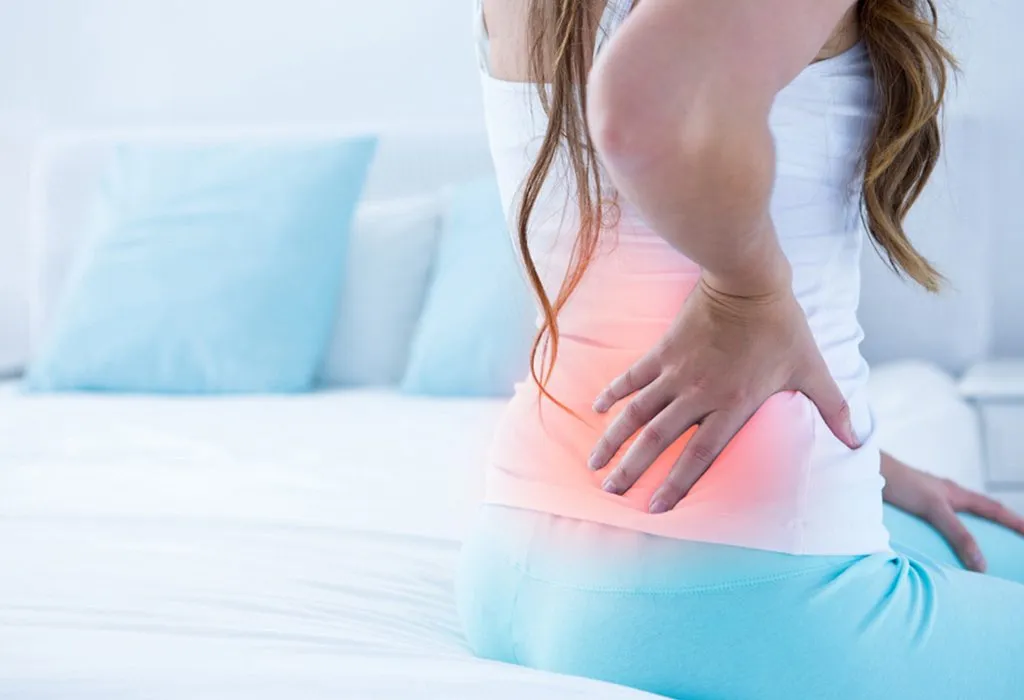
Symptoms of Post C-section Pain
At first, your incision will be raised and slightly pinker than the rest of your skin and may appear puffy. Your pain should decrease after 2-3 days, but the cut may remain tender for 3 or more weeks. After this procedure, pain and tiredness are common, and most women need pain medicine during this time period. You may also have symptoms that are common after recovering from any pregnancy. These can include contractions (this is your body’s way of helping you to stop bleeding by putting pressure on the blood vessels in your uterus), sore breasts (due to your breasts being filled with milk), hair loss and skin changes, among others. If you have any of the following symptoms after a c-section, contact your provider:
Severe pain
Leaking urine
Pain when peeing
Heavy vaginal bleeding
Your wound becomes more red, painful, and swollen
A discharge of pus or foul-smelling fluid from your wound
A cough or shortness of breath
Swelling or pain in your lower leg
Diagnosis of Post C-Section conditions
The presenting symptoms and associated condition of concern affect the medical evaluation conducted by your provider:
Medical History: Largely includes discussion of symptoms
Physical Examination: Assessment of wound area or other affected area (pelvis, anal, lower leg, etc.)
Diagnostic Imaging: Urine or vaginal discharge may be tested. If concerned for a blood clot, an ultrasound is often done to visualize it. Chest x-ray can be obtained to rule out fluid in your lungs.
Treatment of Post-C Section Pain
Treatment areas include:
Incision Care:
Clean the wound with mild soap, dry it, and change the dressing once a day.
Wear loose comfortable clothes and cotton underwear
Do not soak in a bathtub, hot tub, or go swimming until your provider clears you to do so.
Non-dissolvable stitches or staples will usually be taken out after 5-7 days
Watch out for signs of infection like increased redness, swelling, pain, or discharge from the wound.
The wound will eventually form a scar that should fade over time.
Controlling pain and bleeding: pain for days to weeks after a c-section is normal
Take painkillers like Ibuprofen or Tylenol at home. Aspirin and stronger painkillers like codeine are not usually recommended if you are breastfeeding, so discuss with your doctor before taking anything.
For any bleeding, use sanitary pads rather than tampons to reduce the risk of spreading infection into the vagina.
Activity: getting up and walking around once you are home will help you heal faster and can help prevent blood clots. You should be able to do most of your regular activities in 4-8 weeks. Before then:
Do not lift anything heavier than your baby for the first 6-8 weeks.
Short walks are an excellent way to increase strength and stamina. Light housework is okay but slowly increase how much you do.
Expect to tire easily. Listen to your body and rest when needed.
Avoid heavy house cleaning, jogging, most exercises, and any activities that make you breathe hard or strain your muscles. Do not do sit-ups.
Don’t drive a car for at least 2 weeks. It is okay to ride in a car with a seatbelt.
Other self care:
Try eating smaller meals and staying hydrated to prevent constipation and hemorrhoids.
Sex can begin any time after 6 weeks. Be sure to talk to your provider about contraception after pregnancy.
Behavioral Health
Cesarean delivery (C-section) has implications for maternal mental health, both in the immediate and long-term postpartum periods.
Postoperative Recovery and Pain: Recovery from a cesarean delivery generally requires more time and involves more pain than a vaginal birth. This physical stress can contribute to emotional challenges, as physical discomfort may limit new mothers’ ability to care for themselves and their newborns, potentially impacting mood and mental health.
Increased Risk of Postpartum Depression: Studies indicate a potential link between cesarean deliveries and a higher risk of postpartum depression. This risk may be more pronounced in cases of emergency C-sections, where the sudden shift from a planned vaginal delivery can lead to feelings of loss of control or trauma.
Feelings of Disappointment or Guilt: Some individuals may experience disappointment or guilt, especially if they had strongly hoped for a vaginal birth. This reaction can affect self-esteem and overall satisfaction with the birth experience, adding emotional stress.
Possible Postpartum Anxiety: A cesarean delivery, particularly an unplanned one, may increase postpartum anxiety, especially if the delivery was complicated or there were concerns about the newborn’s health. Addressing these anxieties through postpartum support and mental health resources can be beneficial.
Lifestyle Treatments for Post-Cesarean Section Pain and Mental Health
Lifestyle modifications play a supportive role in managing both physical recovery and mental well-being after a cesarean section. Here are key recommendations:
Pain Management
Gradual Physical Activity:
- Early ambulation (e.g., short walks within the first 24 hours) reduces the risk of complications such as blood clots and promotes faster recovery. Patients should gradually increase activity levels while avoiding strain.
Pain Relief Practices:
- Use non-opioid medications like acetaminophen or ibuprofen as first-line options. In cases of severe pain, short-term low-dose opioids may be considered.
- Cold packs on the incision site can reduce swelling and discomfort, while warm compresses may soothe muscle tension.
Sleep and Rest:
- Prioritizing sleep can aid recovery. Organizing assistance with newborn care (e.g., from family or friends) is often beneficial to allow for rest.
Nutrition:
- A diet rich in fruits, vegetables, lean protein, and whole grains promotes healing and boosts energy. Adequate hydration is also essential for wound healing and overall health.
Mental Health Support
Social and Emotional Support:
- Social support from family, friends, or postpartum support groups helps reduce feelings of isolation and offers practical assistance.
- Counseling or joining a new mothers’ support group can provide emotional support, especially if experiencing stress or postpartum mood symptoms.
Mindfulness and Relaxation:
- Techniques such as deep breathing, meditation, and relaxation exercises can help manage stress and anxiety. Simple practices can be done at home to promote mental calm and positive mood.
Cognitive Behavioral Techniques:
- Cognitive behavioral therapy (CBT) or other counseling approaches, often available in a group or individual setting, can help address postpartum anxiety, depression, or trauma associated with delivery.
Reducing Substance Use:
- Limiting alcohol and avoiding recreational drugs can support mental health and prevent worsening of mood symptoms.
These lifestyle modifications complement medical management to support recovery and well-being after a cesarean section.
References:
Amboss Medical Database
Prognosis and Impact of Post C-Section Pain
Most women can leave the hospital two days after having a c-section. While in the hospital you will be given painkillers to reduce discomfort, have regular close contact with your baby, will be encouraged to get out of bed and start walking, will have a catheter in your bladder for at least 12 hours after surgery, and your wound will be covered with a dressing. Your wound can be tender for up to 3 weeks, and you may have other symptoms from pregnancy recover, as discussed above. C-sections can lead to several conditions if complications arise:
- Infection of the wound: This is the most common complication after a c-section, causing redness, swelling, increasing pain, and discharge from the wound. It is treated with antibiotics.
- Infection of the endometrium (womb lining): This is also a common complication after a c-section that can cause fever, abdominal pain, abnormal vaginal discharge and/or bleeding. It is treated with antibiotics.
- Neuropathy: Nerves can get compressed or injured during the birthing process. This can cause numbness in the pelvic area. This is often temporary, and will resolve with time.
- Deep vein thrombosis: This is a rare complication that can happen after any surgery, in which a blood clot forms in your leg. This can cause pain and swelling and could be dangerous if it travels to your lung. To prevent this, gentle activity and movement are recommended after your procedure.
- Hemorrhoids: It is common to develop hemorrhoids after pregnancy and delivery. Hemorrhoids are dilated veins in the anus that can cause you to have pain and bleeding in the area. These are medically managed with things like stool softeners, warm soaks, and ointments.