
Causes of PTSD
PTSD can arise from a variety of factors, including:
- Traumatic Events: Combat exposure, natural disasters, accidents, violent assaults, or terrorist attacks.
- Chronic Stress: Prolonged exposure to stressful conditions can heighten vulnerability.
- Genetic Factors: Family history of mental health disorders increases susceptibility.
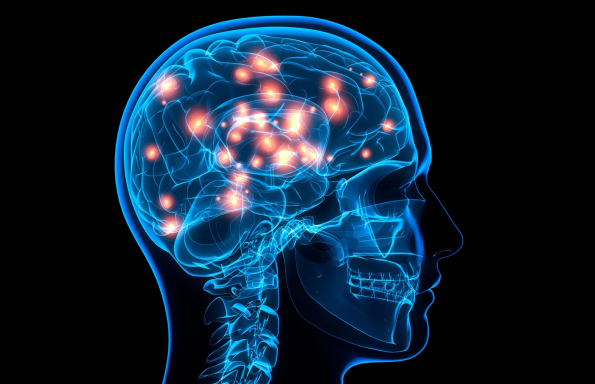
- Brain Changes: Alterations in brain function and structure due to trauma.
- Existing Mental Health Issues: Prior anxiety, depression, or other conditions raise the risk.
Symptoms of PTSD
Not all symptoms appear right away. They may worsen over time and typically include:
- Intrusive memories and flashbacks
- Avoidance of reminders (places, people, or activities)
- Negative thoughts, mood changes, or detachment
- Heightened startle response, irritability, or changes in sleep patterns
Impact of PTSD
If left untreated, PTSD can severely affect both mental and physical health:
- Comorbid Disorders: Anxiety, depression, and substance abuse are common.
- Physical Health Risks: Cardiovascular disease, chronic pain, and gastrointestinal problems.
- Social and Work Challenges: Struggles in relationships and employment.
- Increased Suicide Risk: Higher likelihood of suicidal thoughts and behaviors.
Procedure Videos
Diagnosis of PTSD
A thorough evaluation is essential for accurate diagnosis:
- Medical History: Review of trauma exposure, symptoms, and related health issues.
- Psychiatric Assessment: Mental health professional assessment using DSM-5 criteria.
- Screening Tools: Questionnaires such as the PTSD Checklist (PCL) to measure severity.
Treatment Options for PTSD
Conservative Treatments
- Medication:
- Antidepressants (SSRIs): Sertraline, paroxetine.
- Anti-anxiety medications: For short-term symptom relief.
- Prazosin: Often prescribed to reduce nightmares.
- Psychotherapy:
- Cognitive Behavioral Therapy (CBT): Exposure therapy and stress inoculation.
- Eye Movement Desensitization and Reprocessing (EMDR): Processes traumatic memories.
- Group Therapy: Support from peers with shared experiences.
- Lifestyle Support: Exercise, mindfulness, and support groups.
Ketamine Therapy for PTSD
- How it Works: Ketamine targets the brain’s glutamate system, promoting rapid improvement in mood and anxiety.
- Administration: Delivered in a controlled setting via intravenous infusion, nasal spray, or oral options.
- Benefits: Fast-acting symptom relief, often within hours, particularly for depression and suicidal thoughts.
- Considerations: Typically part of a larger treatment plan that includes psychotherapy and other medical support. Supervision is required due to potential side effects.
Prognosis
With early diagnosis and tailored treatment, many patients can manage PTSD effectively. Combining therapies—psychotherapy, medication, and ketamine where appropriate—can lead to meaningful improvements in daily life and long-term recovery.