
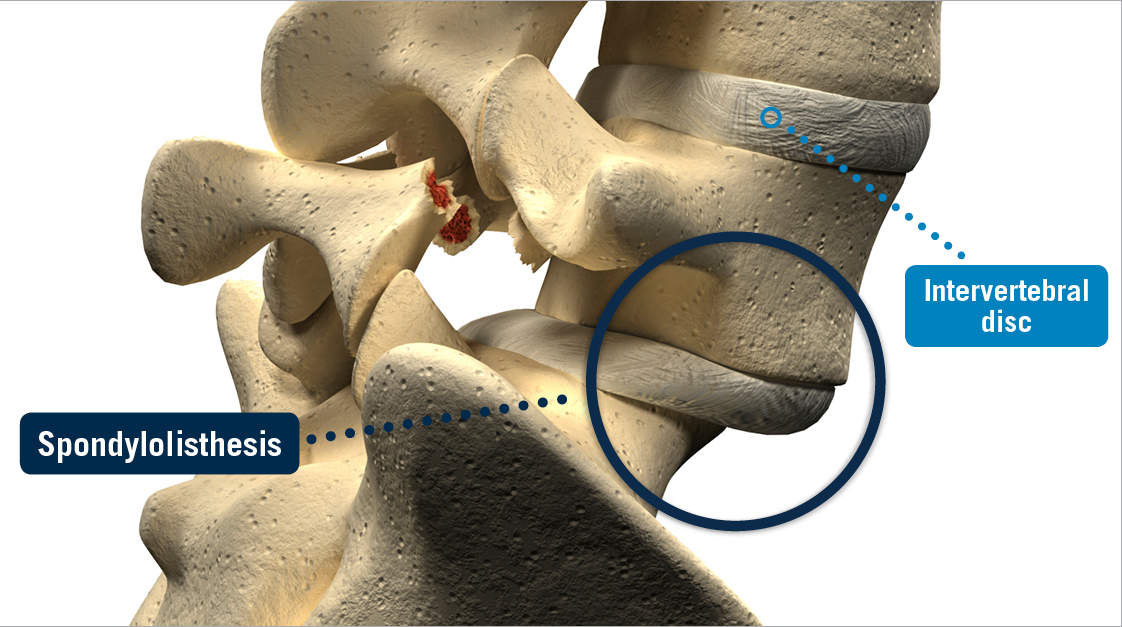
Causes of Scoliosis
The exact cause of scoliosis is often unknown, especially in cases of idiopathic scoliosis. However, several factors may contribute to its development:
- Genetic factors: Family history of scoliosis
- Neuromuscular conditions: Such as cerebral palsy or muscular dystrophy
- Congenital scoliosis: Caused by malformations of the spine present at birth
- Leg length discrepancy: A significant difference in leg length
- Injuries or infections: Affecting the spine
Symptoms of Scoliosis
Symptoms of scoliosis can vary depending on the severity and type of curve. Common symptoms include:
- Uneven shoulders
- One shoulder blade that appears more prominent than the other
- Uneven waist
- One hip higher than the other
- Leaning to one side
- Back pain, particularly in adults
Diagnosis of Scoliosis
Scoliosis is usually diagnosed through a combination of physical exams and imaging tests:
- Physical Exam: The healthcare provider will check for spinal curvature, asymmetry, and other physical signs
- X-ray: The most common imaging test to confirm scoliosis and determine the degree of curvature
- MRI or CT scan: These may be used if more detailed images of the spine are needed
Treatment of Scoliosis
Treatment options for scoliosis depend on the severity of the curve and the age of the patient:
Non-surgical Treatments:
- Observation: Regular check-ups to monitor the curve, especially in growing children
- Bracing: Wearing a brace to prevent further curvature in children and adolescents with moderate scoliosis
- Physical Therapy: Exercises to improve strength, flexibility, and posture
Surgical Treatments:
- Spinal Fusion: The most common surgical procedure for severe scoliosis, where vertebrae are fused together to correct the curve
- Growing Rods: For young children, rods are attached to the spine and lengthened periodically as the child grows
- Vertebral Body Tethering (VBT): A newer, less invasive surgery that uses a flexible cord to correct the curve while preserving spine flexibility
Procedure Videos
Medial Branch Block/Radiofrequency Ablation
Prognosis
The prognosis for scoliosis depends on several factors, including the type of scoliosis, the severity of the curve, and the age at which it is diagnosed. Mild cases, especially in adolescents, often have a good prognosis with regular monitoring and non-surgical treatments like bracing. Severe cases may require surgery, which generally provides good outcomes in terms of pain relief and spinal stability. Neuromuscular and congenital scoliosis may progress more rapidly and often require more intensive treatment.
Resources
“Scoliosis.” Cleveland Clinic, 26 Jan. 2024, https://my.clevelandclinic.org/health/diseases/15837-scoliosis. Accessed 5 July 2024.
“Scoliosis.” Johns Hopkins Medicine, 2024, https://www.hopkinsmedicine.org/health/conditions-and-diseases/scoliosis. Accessed 5 July 2024.
Mayo Clinic Staff. “Scoliosis.” Mayo Clinic, 13 May 2023, https://www.mayoclinic.org/diseases-conditions/scoliosis/symptoms-causes/syc-20350716. Accessed 5 July 2024.