
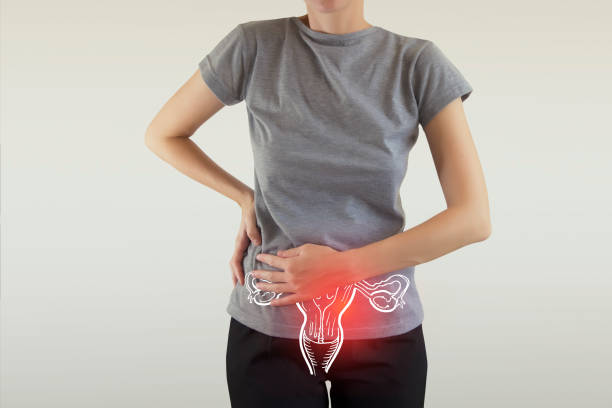
Causes of Uterine Pain
Uterine pain can be caused by various factors, including:
- Menstrual Cramps (Dysmenorrhea): Pain associated with menstruation.
- Endometriosis: A condition where tissue similar to the lining inside the uterus grows outside the uterus.
- Adenomyosis: When the inner lining of the uterus breaks through the muscle wall of the uterus.
- Uterine Fibroids: Noncancerous growths in the uterus.
- Pelvic Inflammatory Disease (PID): Infection of the reproductive organs.
- Ovarian Cysts: Fluid-filled sacs in the ovary.
- Ectopic Pregnancy: A pregnancy that occurs outside the uterus.
- Miscarriage: Loss of pregnancy before 20 weeks.
- Uterine Prolapse: When the uterus slips down into or protrudes out of the vagina.
- Cancer: Uterine, cervical, or ovarian cancer.
Symptoms of Uterine Pain
Symptoms of uterine pain can vary based on the underlying cause. Common symptoms include:
- Cramping or sharp pain in the lower abdomen
- Heavy menstrual bleeding or irregular periods
- Pain during intercourse
- Painful bowel movements or urination
- Lower back pain
- Abdominal bloating or swelling
- Fatigue
- Fever (if an infection is present).
Superior Hypogastric Nerve Block
Lumbar Sympathetic Nerve Block
Peripheral Nerve Stimulation
Obturator Internus Nerve Block
Diagnosis of Uterine Pain
Diagnosing the cause of uterine pain typically involves:
- Medical History: Discussion of symptoms, menstrual cycle, and any previous medical conditions.
- Physical Examination: A pelvic exam to check for abnormalities.
- Ultrasound: Imaging to visualize the uterus, ovaries, and other pelvic organs.
- MRI or CT Scan: Detailed imaging to identify any structural abnormalities.
- Blood Tests: To check for infections or hormonal imbalances.
- Laparoscopy: A minimally invasive surgical procedure to view the pelvic organs.
- Endometrial Biopsy: Sampling tissue from the uterine lining for examination.
Treatment of Uterine Pain
Treatment for uterine pain focuses on addressing the underlying cause and alleviating symptoms. Common treatment options include:
Medications:
- Pain Relievers: Over-the-counter NSAIDs (e.g., ibuprofen) for pain relief.
- Hormonal Therapies: Birth control pills, patches, or intrauterine devices (IUDs) to regulate menstrual cycles and reduce pain.
- Antibiotics: For infections like PID.
Non-surgical Treatments:
- Physical Therapy: Exercises to strengthen pelvic muscles.
- Lifestyle Changes: Diet and exercise modifications to improve overall health.
- Alternative Therapies: Acupuncture, chiropractic care, or herbal supplements.
Surgical Treatments:
- Laparoscopy: To remove endometriosis or ovarian cysts.
- Hysterectomy: Removal of the uterus, typically for severe cases or cancer.
- Myomectomy: Removal of uterine fibroids.
- Endometrial Ablation: Removal of the uterine lining to reduce heavy menstrual bleeding.
Prognosis
With proper diagnosis and treatment, many causes of uterine pain can be managed effectively, allowing individuals to lead a normal, pain-free life. Following up with healthcare providers regularly and adhering to prescribed treatments is important to prevent recurrence or complications.
Resources
https://www.mayoclinic.org/symptoms/pelvic-pain/basics/causes/sym-20050898
https://my.clevelandclinic.org/health/symptoms/12106-pelvic-pain
https://www.hopkinsmedicine.org/health/conditions-and-diseases/pelvic-pain