
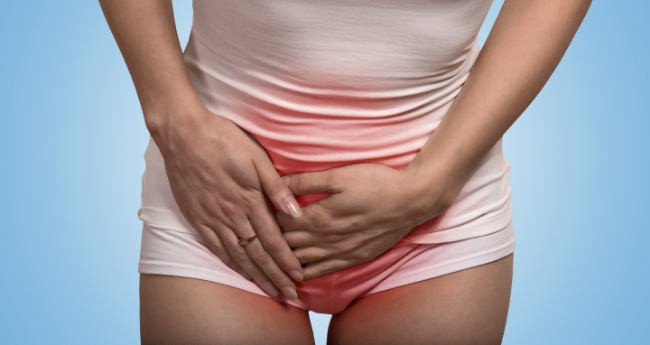
Causes Of Vaginal Pain?
Vaginal pain can arise from various causes, including:
Infections:
- Yeast infections (Candidiasis): Caused by an overgrowth of Candida fungus.
- Bacterial vaginosis: Imbalance of natural bacteria in the vagina.
- Sexually transmitted infections (STIs): Such as herpes, chlamydia, gonorrhea, or trichomoniasis.
Hormonal Changes:
- Menopause: Decreased estrogen levels can lead to vaginal dryness and thinning.
- Menstruation: Hormonal fluctuations can cause pain or discomfort.
- Pregnancy and childbirth: Physical changes and trauma during childbirth.
Physical Injuries or Irritation:
- Sexual activity: Rough or inadequate lubrication during intercourse.
- Tight clothing: Can cause friction and irritation.
- Use of certain products: Douches, soaps, or spermicides that can irritate the vaginal area.
Skin Conditions:
- Eczema or dermatitis: Can cause itching and irritation.
- Lichen sclerosus: A condition that causes thin, white patches of skin.
Medical Conditions:
- Endometriosis: Growth of uterine tissue outside the uterus.
- Pelvic inflammatory disease (PID): Infection of the reproductive organs.
- Vulvodynia: Chronic pain without an identifiable cause.
- Interstitial cystitis: Chronic bladder condition causing pelvic pain.
Urinary Issues:
- Urinary tract infections (UTIs): Can cause pain during urination and in the vaginal area.
Symptoms Of Vaginal Pain?
Symptoms of vaginal pain can vary depending on the underlying cause but often include:
Pain or Discomfort:
- Burning or stinging sensations.
- Aching or throbbing pain.
- Sharp or shooting pain.
- General soreness or tenderness.
Itching and Irritation:
- Persistent itching in the vaginal area.
- Redness and swelling.
Discharge:
- Abnormal vaginal discharge, which may be thick, white, yellow, or green.
- Unpleasant odor.
Pain During Activities:
- Discomfort or pain during sexual intercourse (dyspareunia).
- Pain while inserting tampons.
- Discomfort or pain during urination.
- Pain during physical activities like exercising or sitting.
Visible Changes:
- Skin changes such as white patches, sores, or blisters.
- Swelling or inflammation.
Impact Of Vaginal Pain?
Vaginal pain can have significant impacts on various aspects of a person’s life, including:
Physical Health:
- Chronic pain can lead to discomfort, fatigue, and reduced physical activity.
- Potential complications from untreated infections or conditions.
Emotional and Mental Health:
- Increased stress, anxiety, and depression.
- Decreased self-esteem and body image issues.
- Feelings of frustration or helplessness.
Sexual Health:
- Pain during intercourse (dyspareunia) can lead to a decrease in sexual desire and activity.
- Strain on intimate relationships due to fear of pain or avoidance of sexual contact.
- Difficulty achieving sexual satisfaction.
Social Life:
- Avoidance of social activities due to discomfort or embarrassment.
Superior Hypogastric Nerve Block
Lumbar Sympathetic Nerve Block
Peripheral Nerve Stimulation
Obturator Internus Nerve Block
Diagnosis Of Vaginal pain?
Diagnosing the cause of vaginal pain involves a combination of medical history, physical examination, and sometimes additional tests. Here are common steps in the diagnostic process:
Medical History:
- Discussing symptoms, including the nature, duration, and triggers of the pain.
- Reviewing medical history, including past infections, surgeries, and conditions.
- Understanding sexual history, menstrual cycle, and any recent changes or stressors.
Physical Examination:
- Visual inspection of the external genital area for signs of infection, skin conditions, or injury.
- Internal examination to check for abnormalities, tenderness, or signs of infection.
- Pelvic exam to assess the health of internal reproductive organs.
Laboratory Tests:
- Swabs and Cultures: Collecting samples from the vagina or cervix to test for infections like yeast, bacterial vaginosis, or STIs.
- Urine Tests: Checking for urinary tract infections or other urinary issues.
Treatments For Vaginal Pain?
Treatment for vaginal pain depends on the underlying cause. Here are some common treatments based on different causes:
Infections:
- Yeast Infections: Antifungal creams, ointments, or oral medications (e.g., fluconazole).
- Bacterial Vaginosis: Antibiotics (e.g., metronidazole or clindamycin).
- STIs: Appropriate antibiotics or antiviral medications depending on the infection (e.g., acyclovir for herpes).
Hormonal Changes:
- Menopause: Estrogen creams, tablets, or rings to alleviate dryness and thinning.
- Other Hormonal Issues: Hormone replacement therapy or birth control pills to regulate hormonal levels.
Physical Injuries or Irritation:
- Lubricants: Water-based lubricants to reduce friction during sexual activity.
- Avoiding Irritants: Changing products that may cause irritation (e.g., soaps, detergents).
- Proper Hygiene: Gentle cleansing and avoiding douching.
Skin Conditions:
- Topical Steroids: Creams or ointments for conditions like eczema or lichen sclerosus.
- Moisturizers: To maintain skin hydration and reduce irritation.
Medical Conditions:
- Endometriosis: Pain relief with NSAIDs, hormonal treatments, or surgery.
- Pelvic Inflammatory Disease (PID): Antibiotic treatment.
- Vulvodynia: A combination of medications, physical therapy, biofeedback, and sometimes surgery.
- Interstitial Cystitis: Dietary changes, bladder training, medications, and physical therapy.
Pain Management:
- Pain Relievers: Over-the-counter NSAIDs or prescribed pain medications.
- Nerve Blocks: Injections to block pain signals.
- Physical Therapy: Pelvic floor therapy to strengthen and relax pelvic muscles.
Prognosis For Vaginal Pain?
The prognosis for vaginal pain depends on the underlying cause. For instance, infections like yeast infections and bacterial vaginosis typically resolve with appropriate treatment. Chronic conditions like vulvodynia may require long-term management strategies, including medication, physical therapy, and lifestyle adjustments. With proper diagnosis and treatment, many women find significant relief from symptoms, although some may experience recurrent issues. Persistent or severe cases might necessitate specialist intervention to manage and alleviate symptoms effectively.
References:
- Harlow, B. L., et al. (2003). “Vulvodynia and Risk of Incident Depression in Women.” Obstetrics & Gynecology, 101(5), 931–937. Link.
- Pukall, C. F., et al. (2016). “Vulvodynia: Definition, Prevalence, Impact, and Pathophysiological Factors.” Annual Review of Sex Research, 27(1), 232-256. Link.
Pain Medicine Interventions:
Pain management for vaginal pain may include over-the-counter pain relievers like ibuprofen or acetaminophen, prescription medications such as tricyclic antidepressants or anticonvulsants for chronic pain, and topical anesthetics. In severe cases, nerve blocks or steroid injections might be considered to alleviate pain.
Associated Conditions:
Conditions that can be associated with vaginal pain include:
- Endometriosis: Often co-occurs with pelvic pain and menstrual irregularities.
- Interstitial Cystitis: Chronic bladder pain and urinary frequency.
- Fibromyalgia: Widespread musculoskeletal pain, which can overlap with chronic pelvic pain.
- Irritable Bowel Syndrome (IBS): Gastrointestinal symptoms that may exacerbate
Lab Tests:
Lab tests relevant to diagnosing the cause of vaginal pain might include:
- Swabs and Cultures: To identify infections like yeast, bacterial vaginosis, or STIs.
- Blood Tests: To check for hormonal imbalances or markers of inflammation.
- Urine Tests: To rule out urinary tract infections.