
Understanding Back Pain: What Is It?
Back pain can be like an unwelcome guest that makes it hard to sit, stand, or even move comfortably. It can happen because of injuries, conditions, or just from overusing your back muscles.
The Role of Medial Branch Blocks
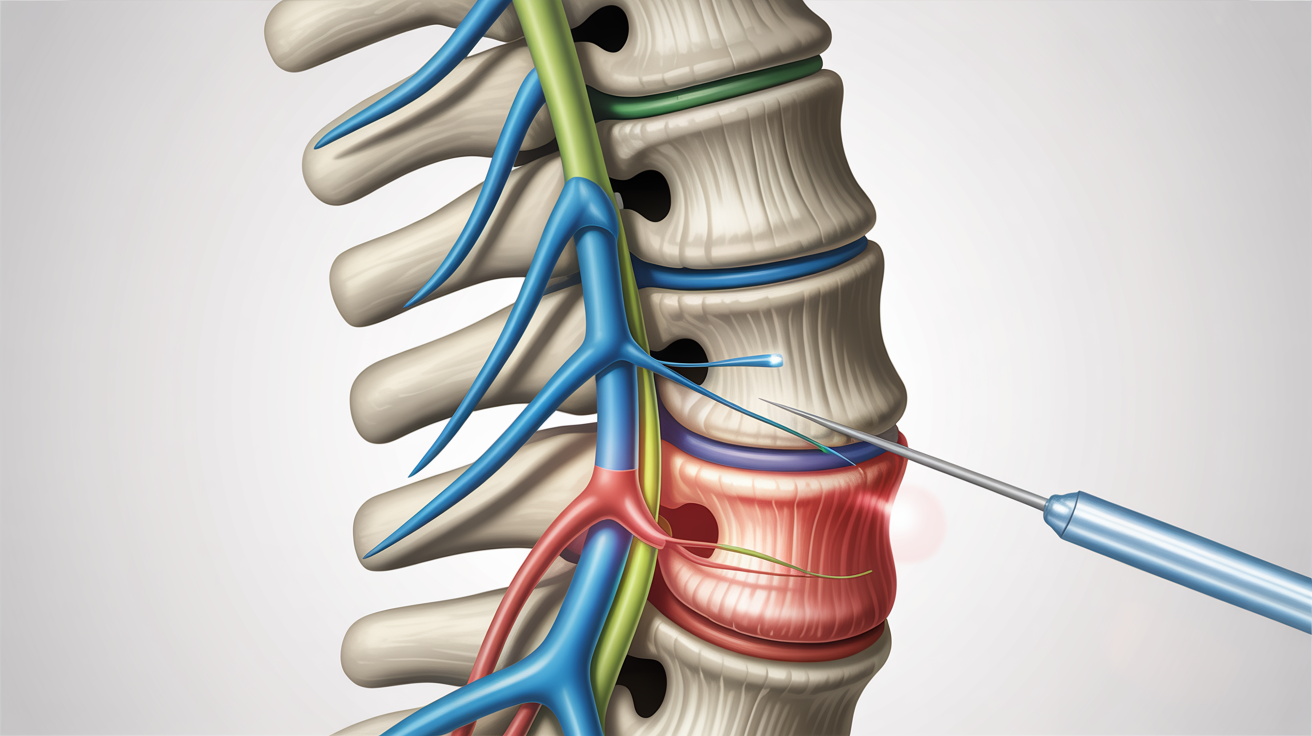
Medial Branch Blocks are like pain detectives. They’re used to figure out where your back pain is coming from by temporarily blocking the tiny nerves that send pain signals from your spine to your brain.
Why Might You Need a Medial Branch Block?
Sometimes, doctors need to pinpoint the exact source of your back pain to provide the best treatment. Medial Branch Blocks can help them do that by numbing specific nerves in your spine temporarily.
How Does It Work?
A Medial Branch Block involves a few steps:
1. **Preparation:** You’ll be asked to lie down on your stomach or side, depending on where your pain is. The area around your spine where the injection will happen will be cleaned.
2. **Numbing:** To keep you comfortable during the procedure, the doctor will use a local anesthetic to numb the skin and tissues near your spine.
3. **Guiding the Needle:** Using a special X-ray machine called a fluoroscope or, in some cases, an ultrasound, the doctor will guide a thin needle to the specific nerves called “medial branches” that are suspected to be causing your pain.
4. **Injection of Medication:** Once the needle is in the right spot, they’ll inject a mixture of medication. This usually includes a local anesthetic for immediate pain relief and sometimes a corticosteroid, which is like a powerful anti-inflammatory drug for longer-lasting relief.
5. **Monitoring:** You’ll be monitored for a short time to ensure everything went smoothly.
What Can You Expect After a Medial Branch Block?
After the procedure, you might notice a few things:
– **Pain Relief:** The injection typically starts working within a day or two, and your back pain should decrease significantly if the medial branches were the source of your pain.
– **Temporary Numbness:** You might feel a bit numb in the area where the injection was done. This is normal and temporary.
Are There Risks?
Like any medical procedure, there are some potential risks with Medial Branch Blocks, but they are generally low. Some possible side effects include temporary soreness at the injection site, a small risk of infection, or temporary weakness in your back. Serious complications are rare.
Anatomical Structures: Your Spine and Medial Branches
To understand Medial Branch Blocks better, it’s helpful to know a bit about your spine and the medial branches. Your spine is like a long, bony structure that runs down your back, and it’s made up of many vertebrae. In between these vertebrae are tiny joints, and that’s where the medial branches come into play. Medial branches are small nerves that help transmit pain signals from these joints to your brain.
Conclusion
Medial Branch Blocks are like detectives for your back pain. They help doctors figure out if specific nerves in your spine are causing your pain and can provide temporary relief. This information is essential for planning the right treatment to help you feel better.
If your doctor suggests a Medial Branch Block, it’s because they believe it will help find the source of your back pain. Always discuss any questions or concerns you have with your healthcare provider. Remember, it’s all about making life more comfortable for those dealing with back pain.