
Understanding Pain: What Is It?
Before diving into opioids, it’s important to understand pain. Pain is like an alarm system in your body that tells you something is wrong. When you get a cut, a burn, or a headache, it’s your body’s way of saying, “Hey, pay attention! Something needs fixing.”
The Role of Opioids
Opioids are like superheroes when it comes to pain relief. They are a class of strong pain medications that work by binding to specific receptors in your brain and body to reduce the sensation of pain. Essentially, they tell your brain to pay less attention to the pain signals.
Why Might You Need Opioids?
People might need opioids when they’re in severe pain, such as after surgery, a serious injury, or if they have a medical condition causing chronic pain. Opioids can provide significant relief when other pain medications aren’t strong enough.
Common Opioid Medications
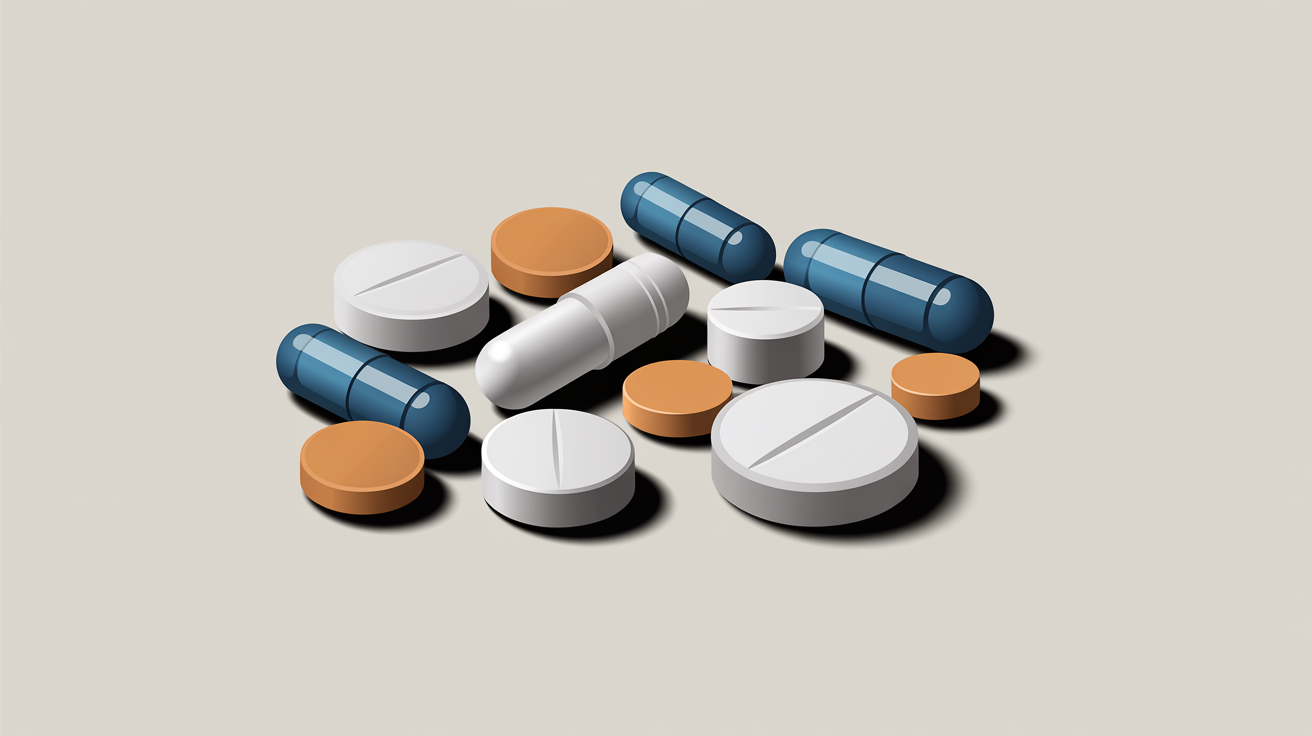
Some familiar opioid medications include morphine, codeine, oxycodone, and hydrocodone. They come in various forms, like pills, liquids, and patches.
How Do Opioids Work?
Imagine your brain as a control center that receives signals from all over your body. When you’re in pain, nerve cells send distress signals to your brain. Opioids block these signals by attaching to certain receptors in your brain and spinal cord, kind of like a key fitting into a lock. When the receptors are occupied by opioids, they don’t send as many pain messages, so you feel relief.
Anatomical Structures: Opioid Receptors
To understand how opioids work, it helps to know about opioid receptors. These receptors are like docking stations in your brain and body. When opioids attach to them, they calm down the pain signals. Think of it as a phone call being muted so you can’t hear the ringing.
Risks and Responsibilities
While opioids can be powerful allies in managing pain, they come with important responsibilities and potential risks:
– **Addiction:** Opioids have the potential to be addictive, especially if not used as prescribed. Addiction is when your body and brain become dependent on the medication, and you may feel a strong urge to keep taking it even when you don’t need it for pain.
– **Side Effects:** Opioids can have side effects, such as drowsiness, constipation, nausea, and slowed breathing. It’s crucial to take them exactly as your doctor prescribes and report any side effects.
– **Overdose:** Taking too many opioids or mixing them with alcohol or other drugs can lead to an overdose, which can be life-threatening. Always follow your doctor’s instructions carefully.
Responsible Use:
If your doctor prescribes opioids for your pain, it’s essential to:
– **Follow Instructions:** Take the medication exactly as prescribed, and don’t share it with others.
– **Ask Questions:** If you have concerns or questions about your medication, don’t hesitate to ask your healthcare provider.
– **Dispose Safely:** Properly dispose of any unused medication to prevent accidental misuse.
– **Stay Informed:** Be aware of the potential risks and signs of addiction, and seek help if needed.