
Why Do We Perform PRP Injections
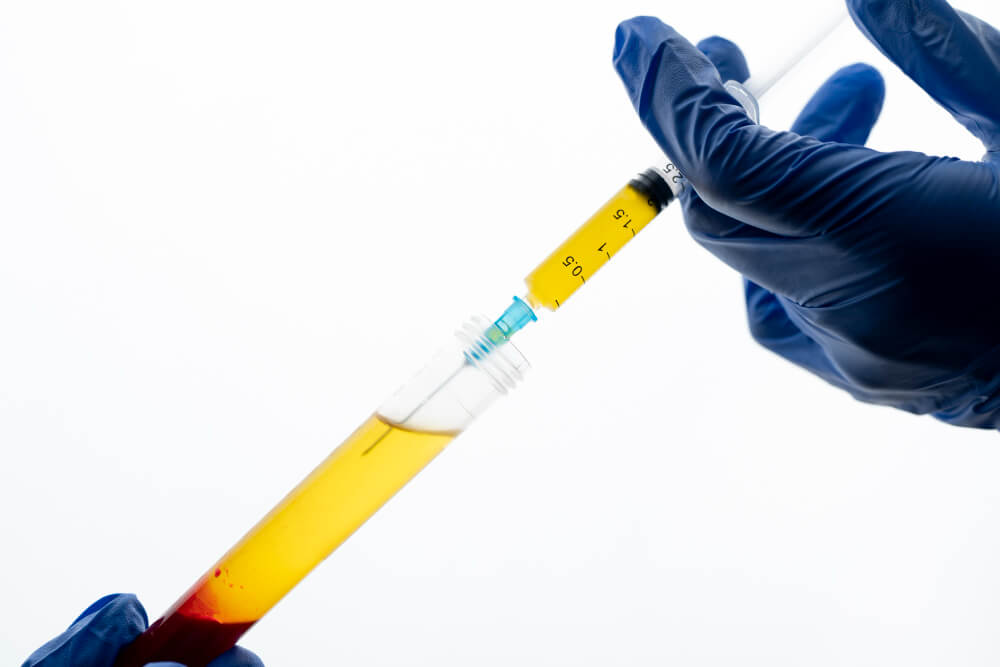
Platelet-Rich Plasma (PRP) injections use a concentration of a patient’s own platelets to accelerate the healing of injured tendons, ligaments, muscles, and joints. PRP is obtained by drawing your blood and using a centrifuge to concentrate the platelets.
Are PRP Injections Safe and Do They Have Side Effects?
PRP injections are generally safe because they use your own blood, minimizing the risk of allergic reactions or infections. Possible side effects include temporary pain and swelling at the injection site.
What to Expect on Injection Day
The procedure usually takes about 30-45 minutes. Blood is drawn from your arm, processed in a centrifuge, and the PRP is injected into the target area. Ultrasound guidance may be used to ensure accurate placement.
Will This Injection Help Me Avoid Surgery?
PRP injections can delay or reduce the need for surgery by promoting healing. Your physician will assess your specific condition and discuss all treatment options.
Is There Anything I Need to Do Prior to Injection Day?
You can eat normally before the procedure. Your physician may advise you to stop taking certain medications, such as blood thinners, before the injection. Follow any specific instructions provided by your physician.
Can I Repeat This Injection?
The number of PRP injections needed depends on your condition and response to treatment. Some patients may require multiple injections. Your physician will discuss the best treatment plan for you.
Videos
Risks Associated with the Injection
Pain: Temporary pain or discomfort at the injection site.
Infection: Very rare, minimized by using sterile techniques.
Allergic Reactions: Rare, as the injection uses your own blood.
When Should I Call the Doctor or Go to the ED?
Contact your physician or visit the Emergency Room if you experience:
- Increased redness or warmth at the injection site
- Drainage from the injection site
- Fever > 100.4°F
- Severe pain not relieved by over-the-counter pain medication.