
TLDR
PRP injections sit somewhere between the hype that calls them a miracle and the skepticism that dismisses them entirely, and the honest answer is more nuanced than either. PRP, or platelet-rich plasma, uses a concentrated portion of your own blood, rich in platelets and the growth factors they carry, injected into an injured or arthritic area to support the body’s own healing. The evidence is genuinely mixed. It looks more promising for certain tendon problems and mild to moderate knee arthritis, and less convincing for other conditions, with results varying between individuals. It is not a guaranteed fix, not a replacement for surgery in every case, and not instant, since benefit builds over weeks. For the right candidate with the right problem and realistic expectations, it can be a worthwhile option, especially when other conservative treatments have not worked. The key is a proper evaluation to determine whether you are actually a good candidate rather than chasing a trend.
Cutting Through the Noise
PRP injections have become one of the more talked-about treatments in pain and sports medicine, and the conversation around them tends to split into two camps. One treats PRP as a near-miraculous regenerative cure that can heal almost anything. The other dismisses it as expensive, unproven hype.
The reality, as usual, lives in the more complicated middle. PRP is a legitimate treatment with real science behind the concept and genuine evidence for some uses, alongside honest uncertainty for others. It helps some people meaningfully and does little for others. That is not a satisfying soundbite, but it is the truth, and you deserve the truth rather than a sales pitch or a dismissal.
So let us take an honest look: what PRP actually is, what the evidence really says, who it tends to help, and what you should realistically expect.
What PRP Actually Is
PRP stands for platelet-rich plasma, and understanding the name explains the treatment.
Your blood contains red cells, white cells, plasma (the liquid portion), and platelets. Platelets are best known for their role in clotting, but they also carry growth factors, proteins involved in tissue repair and healing. The idea behind PRP is to concentrate these platelets and deliver them directly to an area that is injured or degenerating.
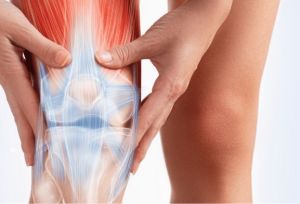
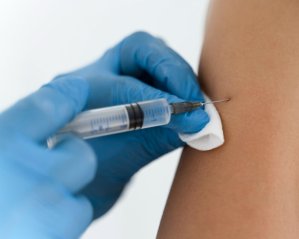
The process is straightforward. A sample of your own blood is drawn, then spun in a centrifuge to separate and concentrate the platelets in the plasma. That concentrated platelet-rich plasma, containing several times the normal platelet concentration, is then injected into the target area, such as an arthritic knee or an injured tendon, often using ultrasound to guide precise placement. Because it comes from your own body, PRP is generally considered safe, with a low risk of allergic or rejection-type reactions. You can read a clear overview of the process through the Cleveland Clinic’s explanation of PRP injections.
The goal separates PRP from a painkiller or a steroid. Rather than simply suppressing pain or inflammation, PRP aims to support and stimulate the body’s own healing processes in the treated tissue. That regenerative intent is what makes it appealing, and also what makes it harder to evaluate.
What the Evidence Actually Says
Here is where honesty matters most, because this is where the hype and the reality most often part ways.
The evidence for PRP is genuinely mixed, and it depends heavily on what you are treating. It is not uniformly proven and not uniformly useless. It varies by condition.
Where it looks more promising. PRP has shown encouraging results for certain tendon conditions, particularly some chronic tendon problems that have not responded to other treatments. There is also a reasonable and growing body of evidence supporting its use in mild to moderate knee osteoarthritis, where some studies have found it can reduce pain and improve function, in certain cases comparing favorably to other injection options over time.
Where the evidence is weaker or less clear. For a number of other conditions and for more advanced joint degeneration, the evidence is thinner, less consistent, or inconclusive. PRP is not equally supported across everything it is marketed for, and some uses rest more on theory and hope than on strong data.
The honest overall picture. Research on PRP is still evolving. Preparation methods vary between providers, which makes studies harder to compare, and results differ from person to person. This is an area of active investigation, not a settled science. So anyone promising guaranteed results is overselling, and anyone dismissing it entirely is ignoring the real, if selective, evidence that does exist.
Realistic Expectations
If you are considering PRP, setting expectations correctly is the single most important thing for not being disappointed.
It is not instant. Because PRP works by supporting healing rather than masking symptoms, benefit builds gradually. It commonly takes several weeks, often in the range of six to eight weeks or more, before results become noticeable. If you need fast relief, PRP is not the tool for that moment.
It is not guaranteed. Some people respond well, others notice little. Even for conditions where the evidence is reasonably supportive, PRP does not work for everyone, and honest providers will tell you that upfront.
It is not necessarily permanent. Results, when they come, are not always lasting, and some people need repeat treatments over time.
It is not a universal replacement for surgery. For the right problem it may help you avoid or delay a procedure, but it is not a substitute for surgery in every case, particularly for severe structural damage or advanced degeneration.
Framed correctly, PRP is a reasonable option to try for appropriate conditions, often when more conservative treatments have not delivered, with a realistic hope of benefit rather than a promise of cure. That framing protects you from both false hope and missed opportunity.
PRP vs. Cortisone: Different Philosophies
People often weigh PRP against cortisone, and the comparison is instructive because they represent fundamentally different approaches.
Cortisone is a powerful anti-inflammatory. It works quickly to calm inflammation and can provide meaningful short-term relief, but it does not repair anything, and its effects fade over time. It is also limited in how often it can safely be given to a joint, since repeated steroid exposure can have downsides for the tissue.
PRP takes the opposite approach. It works slowly, aiming to support healing in the tissue rather than suppress inflammation, with the hope of a more durable benefit. It does not carry the same repeated-use tissue concerns that steroids do.
Neither is simply better. Cortisone may be the more sensible choice for a knee that is acutely, intensely inflamed and needs relief soon. PRP may make more sense when the goal is to support the tissue itself and pursue longer-term improvement, and when you are willing to wait for it. Which fits depends on your situation, and it is a decision to make with a specialist rather than based on which one sounds more impressive.
Who Is a Good Candidate?
PRP is not right for everyone, and candidacy depends on several factors that a proper evaluation assesses.
Generally, PRP tends to be considered for people with conditions where the evidence is more supportive, such as certain tendon injuries or mild to moderate knee arthritis, particularly when more conservative treatments have not provided enough relief and the person wants to explore an option aimed at healing before considering more invasive steps. Good candidacy also depends on the specifics of your condition, its severity, your overall health, and certain medications or conditions that can affect whether PRP is appropriate.
Advanced, severe joint degeneration is generally less likely to respond well, which is part of why evaluation matters, so you are not pursuing PRP for a problem it is unlikely to help. This is exactly the kind of judgment a specialist provides. Whether PRP fits into your care, and how it compares to other pain management options for your specific problem, is a clinical decision, not a guess. If you want to learn more about the treatment itself, our page on PRP injections covers it, and that page should be confirmed live before this post is published.
What Recovery Looks Like
Knowing what to expect after PRP helps you plan and avoid surprises.
The procedure itself is quick and done in-office: blood draw, processing, and injection, often ultrasound-guided, usually completed in under an hour. Afterward, it is common and expected to have increased soreness or discomfort at the injection site for a day or several days. This is a normal part of the process, since PRP is meant to provoke a healing response, which involves some inflammation.
A notable and sometimes surprising instruction: patients are often advised to avoid anti-inflammatory medications like ibuprofen for a period around the treatment, because those drugs can blunt the very inflammatory healing response PRP is trying to create. Your provider will give you specific guidance, but this is a meaningful difference from how you might treat ordinary soreness. Ice may also be discouraged for the same reason.
Recovery generally involves taking it relatively easy at first, then gradually returning to activity, sometimes paired with physical therapy to support the healing and address the underlying mechanics. And again, patience is essential, since the benefit builds over weeks rather than appearing right away.
So, Miracle or Hype?
Neither, and that is the honest answer.
PRP is not a miracle cure that heals everything, and the marketing that presents it that way does patients a disservice by setting them up for disappointment. But it is also not empty hype. It is a legitimate treatment grounded in real biological principles, with genuine, if selective, evidence supporting its use for certain conditions, and a strong safety profile since it uses your own blood.
The sensible way to view PRP is as one tool among several, appropriate for certain problems and certain patients, worth considering with clear eyes and realistic expectations, ideally guided by a specialist who will tell you honestly whether it is likely to help your particular situation rather than selling it as a cure-all.
An Honest Assessment in NYC
If you are curious whether PRP could help your joint or tendon problem, the most valuable thing is not more online research, it is an honest evaluation from a specialist who can tell you whether you are actually a good candidate, how the evidence applies to your specific condition, and how PRP compares to your other options.
Our pain management team approaches PRP exactly this way, with realistic expectations and straight answers, recommending it when it genuinely makes sense for you and telling you honestly when another approach would serve you better.
If you want a clear-eyed assessment of whether PRP is worth it for your situation, reach out to schedule a consultation and get an honest answer rather than a sales pitch.