
TLDR
Considering SI joint fusion and have questions beyond the surgery itself? Here is what NYC patients ask most:
- Modern iFuse fusion is minimally invasive, about 1 hour, often no overnight hospital stay
- Yes, the implant can trigger metal detectors. Carry a TSA card and allow extra time
- High heels are okay in moderation after recovery, keep them under 5cm
- Heavy grocery bags and one shoulder laptop bags are a real problem, balance your load
- Most patients return to normal NYC life faster than they expect
Most patients heading into SI joint fusion research have already read about the surgery itself. What they really want to know is: will I be able to take the subway again? What about my heels? What happens at airport security?
These are not small questions. They are the ones that actually decide whether this surgery fits your life. Here are honest answers.
What Is SI Joint Fusion and Who Actually Needs It?
The sacroiliac joint fusion procedure stabilises the SI joint using small titanium implants that fuse the sacrum and ilium together, eliminating the painful movement at that joint.
It is recommended only when:
- SI joint pain is confirmed as the primary source through diagnostic testing
- Conservative treatments like physical therapy and injections have not provided lasting relief
- Pain is significantly affecting daily function
For most NYC patients, this point comes after months of trying everything else first.
iFuse vs. Traditional Fusion: What Is the Difference?
This is the first practical question most patients ask. Here is the straightforward comparison:
| Feature | iFuse Minimally Invasive | Traditional Open Fusion |
| Incision size | 1 to 2 inches | Several inches |
| Surgery time | Around 1 hour | Up to several hours |
| Hospital stay | Usually outpatient | Typically several days |
| Walking after | Within 24 to 48 hours | Significantly longer |
| Muscle impact | Minimal | Extensive dissection |
iFuse uses triangular porous titanium implants that encourage your own bone to grow into the joint over time. It is the only SI joint fusion device backed by significant published clinical evidence, which matters if you are the type of New Yorker who does their research before making any decision.
Will the Implant Set Off Airport Security?
Yes, it can trigger metal detectors. Here is how to handle it without stress:
- Ask your surgeon for a TSA Notification Card confirming you have a surgical implant
- Allow an extra 20 minutes at security for a secondary screening
- Modern full body millimeter wave scanners can often differentiate implants from prohibited items
- A handheld wand screening is the most likely outcome, not a lengthy delay
If you travel frequently for work, this becomes routine within a trip or two.
Can I Still Wear High Heels?
This one comes up more than surgeons expect, and it is a completely valid concern for NYC professionals.
The honest answer is yes, with limits. High heels shift your centre of gravity forward, force a compensatory arch in your lower back, and pull the pelvis out of alignment. Post-fusion, this stress is reduced because the joint is stabilised, but it does not disappear entirely.
Practical guidance:
- Keep heel height under 5 centimetres during recovery
- Choose platform soles or thicker heels over stilettos as they distribute weight more evenly
- Avoid wearing heels for long commutes or full work days initially
- Build back gradually once your surgeon clears you for normal activity
What About Carrying Groceries and My Laptop Bag?
This is the real NYC daily challenge. Carrying heavy bags up subway stairs or on one shoulder is one of the most common triggers for SI joint irritation, and it does not stop mattering after surgery.
What to do:
- Switch from a single strap messenger bag to a backpack that sits high on both shoulders
- Use a rolling cart for heavy grocery runs, this is genuinely one of the smartest things you can do long term
- When you must carry single bags, alternate sides regularly
- Avoid carrying everything on one hip, including kids
Asymmetric loading is one of the primary reasons SI joint pain comes back. Surgery addresses the joint, but your carrying habits protect the result.
When Can I Use the Subway Again?
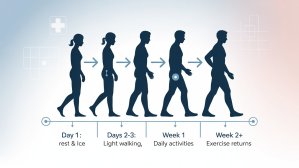
For most patients, light subway use resumes within the first few weeks, with some adjustments:
- Avoid rush hour crowds in the first 2 weeks where possible, being pushed or jostled is not ideal early on
- Use elevators instead of stairs at stations during the first month
- If standing on a moving train, hold the rail and keep weight evenly on both feet, not shifted to one hip
- NYC residents with temporary mobility limitations can apply for the MTA “Please Offer Me a Seat” button at mta.info/courtesy, a genuinely useful tool during recovery
When Can I Resume Exercise and Yoga?
Most patients return to light activity within 2 to 3 weeks and fuller exercise by 6 to 12 weeks depending on recovery progress. For yoga specifically:
- Deep spinal twists and poses that create shearing force through the pelvis should be avoided or modified long term
- Core stability focused classes are excellent and encouraged
- Always inform your instructor about your fusion so they can offer appropriate modifications
What About Intimacy?
Patients rarely ask their surgeon directly but almost always want to know. Most practitioners advise waiting approximately 6 weeks before resuming sexual activity, avoiding positions that create shearing or rotational force through the lower back and pelvis during early recovery. Your surgeon will give you specific guidance based on your individual healing progress.
How Do I Know If the Surgery Worked?
Improvement is typically gradual. Most patients notice meaningful pain reduction within 3 to 6 months as the bone grows into the implants and the joint fully stabilises. Full recovery can take up to a year.
Signs it is working:
- Reduced pain with activities that previously caused flares
- Improved ability to walk, sit, and climb stairs
- Reduced reliance on pain medication
If you have questions about whether sacroiliac joint pain is the right diagnosis for you or want to understand whether fusion is appropriate for your situation, the team at Maywell Health can walk you through it clearly.
Get in touch here whenever you are ready.