How Spinal Cord Stimulation Works
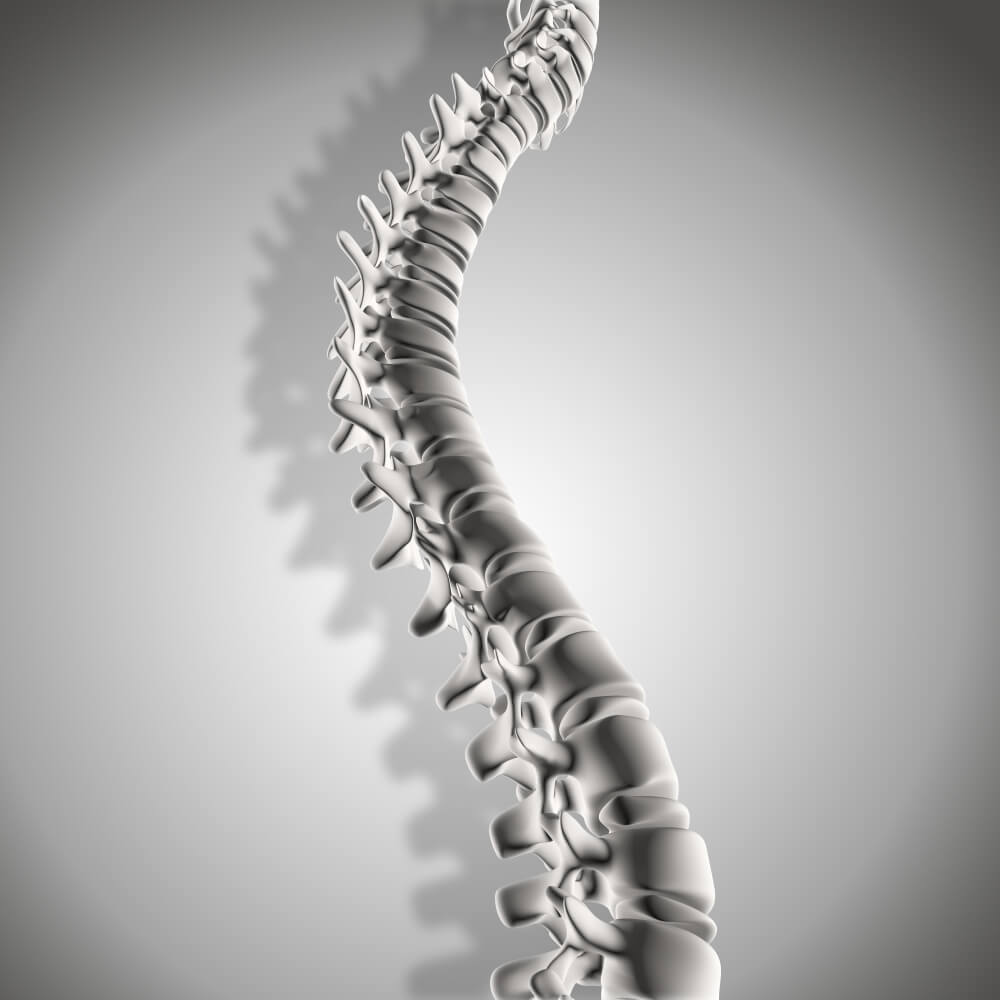
The SCS system consists of small electrodes placed near the spinal cord and a tiny generator implanted under the skin. The device sends low-level electrical impulses that block or modify pain signals, so the brain perceives less pain.
Conditions that often benefit include:
- Neuropathic pain such as diabetic neuropathy
- Post-laminectomy syndrome (persistent pain after spine surgery)
- Complex regional pain syndrome (CRPS)
- Chronic back or leg pain unresponsive to other treatments
Step-by-Step Procedure
Spinal cord stimulation is performed in two stages:
1. Trial Period
- Preparation: Performed under local anesthesia with light sedation.
- Lead placement: Using fluoroscopy (real-time X-ray), soft wire leads are guided into the epidural space.
- External generator: For 5–7 days, an external battery sends electrical impulses so you and your doctor can assess pain relief.
2. Permanent Implant
- If the trial provides significant relief, a small internal generator is implanted through a tiny incision.
- A handheld remote lets you adjust stimulation levels throughout the day for personalized pain control.
Most procedures take about two hours and are done on an outpatient basis.
Key Benefits of a Spinal Cord Stimulator Implant
- Targeted pain relief for chronic back, neck, or limb pain
- Adjustable and reversible: The system can be fine-tuned or removed without permanent changes
- Reduced need for opioids or other pain medications
- Minimally invasive: Small incisions, no major spine surgery required
- Improved mobility and quality of life, making it easier to stay active
Recovery and Aftercare
- Plan to rest the day of surgery and follow your doctor’s instructions for incision care.
- Mild soreness can be treated with over-the-counter NSAIDs and ice packs.
- Most patients resume normal activities within a few days, while continuing to monitor and adjust stimulation as needed.
Possible Risks and Side Effects
Though uncommon, potential complications include:
- Minor bleeding or infection at the incision site
- Scar tissue formation
- Lead migration or device malfunction (which can usually be corrected)
Promptly report any signs of infection—such as fever, redness, or increased pain—to your provider.
Related Conditions and Treatments
A spinal cord stimulator can be part of a comprehensive pain management plan, particularly when other therapies have not brought lasting relief.
Your care team may also recommend or combine with:
- Lumbar Spinal Stenosis: When narrowed spinal spaces cause persistent nerve pain
- Spinal Stenosis: For broader spinal narrowing conditions
- Spinal Disc Decompression: A non-surgical treatment that relieves pressure on spinal discs and nerves
These related pages help you explore all interventional and non-surgical options to address the root causes of chronic pain.
Is Spinal Cord Stimulation Right for You?
This therapy is often considered when:
- Pain has lasted more than six months
- Conservative treatments (medication, physical therapy, injections) have failed
- Pain significantly limits daily activities or sleep
A consultation with an interventional pain specialist will determine if an SCS implant is appropriate based on your medical history and goals.
Resources
https://arizonapain.com/treatments/spinal-cord-stimulator-implants/
https://www.treatingpain.com/treatments/spinal-cord-stimulation/
https://novusspinecenter.com/pain-treatments/spinal-cord-stimulator-implant