Understanding Stress and Pain: What Are They?
Stress is like a storm in your mind, making you feel anxious or on edge. Pain can be like a persistent ache or discomfort that disrupts your daily life.
The Role of Stellate Ganglion Block
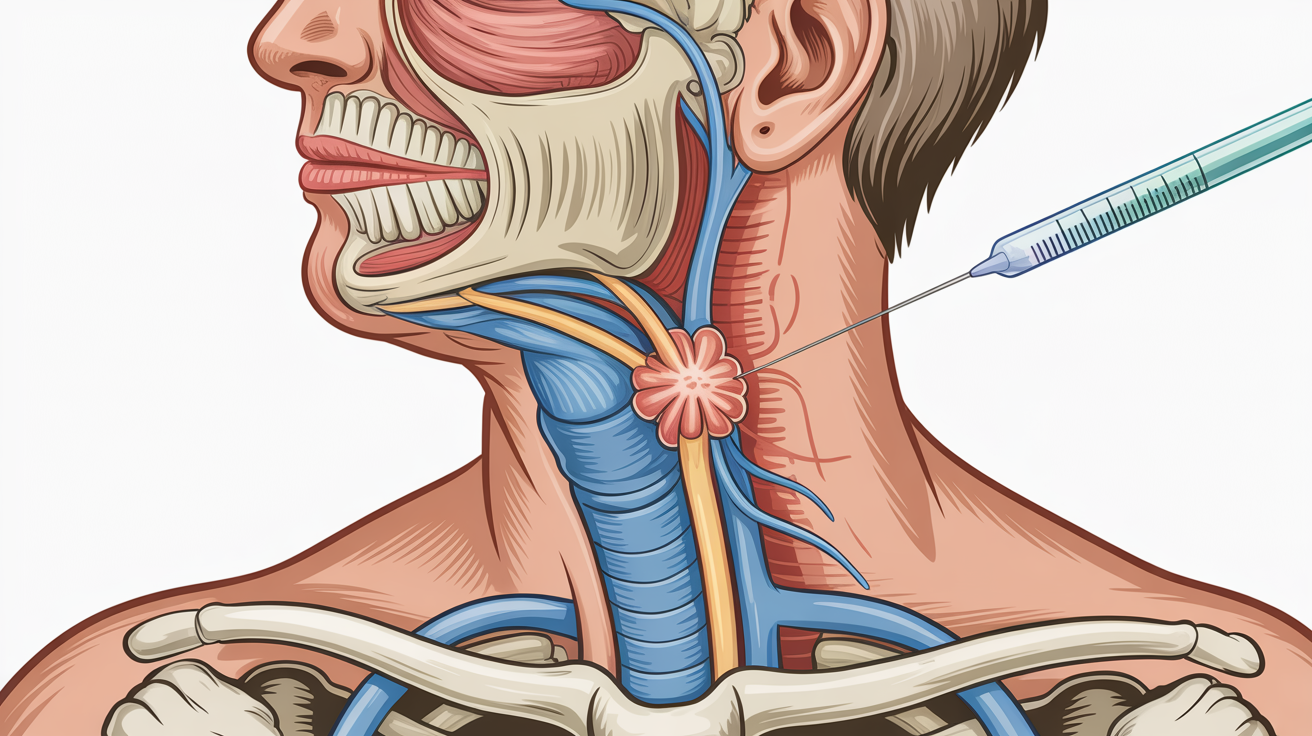
A Stellate Ganglion Block is like a calming signal for your nerves. It’s a medical procedure used to relieve stress-related symptoms and pain by blocking signals from a group of nerves called the stellate ganglion, located in your neck.
Why Might You Need a Stellate Ganglion Block?
People might need this procedure when they experience conditions like post-traumatic stress disorder (PTSD), complex regional pain syndrome (CRPS), or nerve-related pain in the neck, shoulders, or arms that haven’t improved with other treatments like medications or therapy. The stellate ganglion is often involved in these conditions.
How Does It Work?
A Stellate Ganglion Block involves a few steps:
1. **Preparation:** You’ll be asked to lie down, often on your back, on an examination table.
2. **Numbing:** To ensure you’re comfortable during the procedure, the doctor will use a local anesthetic to numb the skin and tissues in your neck.
3. **Guiding the Needle:** Using a special X-ray machine called a fluoroscope or, sometimes, an ultrasound, the doctor will guide a thin needle to the exact location of the stellate ganglion.
4. **Injection of Medication:** Once the needle is in place, the doctor will inject a mixture of medication. This often includes a local anesthetic for immediate relief and sometimes a corticosteroid to reduce inflammation.
5. **Monitoring:** You’ll be monitored for a short time to ensure everything went smoothly.
Anatomical Structures: The Stellate Ganglion
To understand Stellate Ganglion Blocks better, it’s helpful to know about the stellate ganglion itself. The stellate ganglion is a cluster of nerve cells located in the front of your neck, near the base of your throat. It’s connected to various nerves that can transmit stress signals and pain sensations.
What Can You Expect After a Stellate Ganglion Block?
After the procedure, you might notice a few things:
– **Stress Relief:** If you had the block to manage stress-related symptoms, you may feel calmer and less anxious.
– **Pain Relief:** If you had the block to manage pain, you should experience reduced pain in the neck, shoulders, or arms.
– **Temporary Soreness:** You may experience some soreness at the injection site, but this should improve over time.
Are There Risks?
Like any medical procedure, there are some potential risks with Stellate Ganglion Blocks, but they are generally low. Some possible side effects include temporary soreness, a hoarse voice, or rare complications related to the procedure. Serious complications are rare.
Responsibilities and Long-Term Care
If you have a Stellate Ganglion Block, it’s essential to:
– **Follow Instructions:** Always follow your healthcare provider’s instructions for post-procedure care and any recommended therapies or treatments.
– **Report Changes:** If you experience unusual symptoms or concerns related to the procedure, let your healthcare provider know.
– **Manage Stress:** If you had the block for stress relief, consider practicing stress management techniques, such as mindfulness or relaxation exercises, to maintain a healthy mindset.