
TL;DR / Key Takeaways
- SI joint fusion recovery improves in stages—starting with rest, then light movement, and gradual strengthening.
- Daily habits like proper posture, sleep positions, and pacing activities significantly support healing.
- Gentle mobility and guided physical therapy help rebuild stability as your joint fuses.
- Seek help if pain worsens, mobility declines, or you notice signs of infection or nerve issues.
Introduction
Recovering from SI joint fusion surgery is a journey that requires patience, consistency, and the right support. The goal of the procedure is to stabilize the sacroiliac joint, reduce inflammation, and restore movement—allowing you to return to daily activities with greater comfort. Understanding the recovery timeline and knowing what’s safe (and what’s not) during each phase can make the healing process smoother and more predictable.
This guide walks you through the typical stages of recovery and provides practical tips to help you heal with confidence. From early rest and wound care to gentle exercises and long-term lifestyle adjustments, you’ll learn how to support your body every step of the way. If you’d like a clearer overview of related conditions that can impact joint health, visit the
Degenerative Joint Disease page.
What Is SI Joint Fusion — A Quick Recap
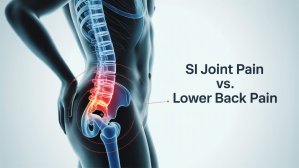
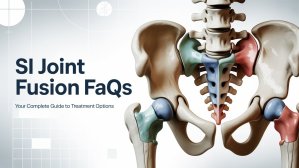
The sacroiliac (SI) joint connects your spine to your pelvis and plays a key role in supporting your upper body while you stand, walk, and move. When this joint becomes unstable or inflamed, it can lead to persistent pain in the lower back, buttocks, or hips. SI joint fusion surgery is designed to stabilize the joint by encouraging the bones to grow together, reducing movement that causes irritation.
The procedure typically involves placing small implants or bone graft material into the SI joint to support fusion. This creates long-term stability and often leads to a meaningful reduction in pain. While the surgery itself is minimally invasive, the healing process depends heavily on how well you protect the area and follow recovery guidance.
Why Fusion Can Help
- It reduces painful joint motion.
- It supports proper alignment of the pelvis.
- It helps decrease inflammation and nerve irritation.
- It provides greater stability during daily activities.
If you want to understand more about SI joint–related pain or how the condition develops, you can explore the
Sacroiliac Joint Pain page for additional details.
Typical Recovery Timeline After SI Joint Fusion
Recovery after SI joint fusion happens in stages. While everyone heals at their own pace, most patients follow a similar timeline as the joint gradually stabilizes and the bone begins to fuse. Knowing what to expect during each phase can help you move confidently and avoid setbacks.
Weeks 0–2: Early Healing Phase
During the first two weeks, your focus is on rest, wound care, and avoiding strain on the joint.
- Limit bending, twisting, and lifting.
- Short, slow walks are encouraged to maintain circulation.
- Keep the incision clean and dry as directed by your provider.
- Pain and stiffness are normal and should gradually improve.
This phase lays the foundation for long-term healing.
Weeks 2–6: Gentle Activity & Mobility
As surgical soreness decreases, you can begin light activities.
- Increase walking time gradually.
- Start gentle mobility movements (if approved by your surgeon).
- Avoid sitting or standing for long periods without breaks.
Most patients notice better stability and reduced sharp pain by this stage.
Months 2–3: Building Strength & Stability
Your SI joint continues to fuse, and controlled movement becomes more important.
- Guided stretching and light strengthening exercises may be introduced.
- You can resume more daily activities with caution.
- Many patients see noticeable improvements in comfort and movement.
This stage focuses on restoring function without overloading the healing joint.
Months 3–6: Returning to Normal Activity
As the fusion becomes stronger, the goal shifts to rebuilding endurance.
- You may begin more advanced strengthening or physical therapy.
- Activities like longer walks, light household tasks, or desk work usually become easier.
- Remaining flare-ups tend to be milder and less frequent.
6 Months and Beyond: Long-Term Progress
By now, most patients feel significantly more stable and mobile. Mild discomfort may surface occasionally, especially with heavy activity, but overall daily function is greatly improved. Continuous attention to posture, core strength, and pacing helps maintain the benefits of the surgery.
Top Tips for Healing — Daily Habits & Lifestyle Adjustments
Recovering from SI joint fusion isn’t just about resting—it’s about developing habits that protect your healing joint and support long-term stability. Small daily adjustments can make a meaningful difference in how quickly and comfortably you recover.
Protect Your Posture
Proper alignment reduces pressure on the healing joint.
Focus on sitting with your hips level, feet flat on the floor, and your lower back supported. When standing, keep your weight evenly distributed to avoid overloading one side of the pelvis.
Sleep in Supportive Positions
Your sleeping posture plays a big role in your comfort.
Try lying on your back with pillows under your knees or on your side with a pillow between your legs. These positions help reduce tension on the lower back and pelvis.
Maintain Healthy Daily Movement
Even during recovery, gentle movement is beneficial.
Short walks throughout the day support circulation and prevent stiffness. Avoid long periods of sitting or standing—you’ll feel better if you change positions regularly.
Support Bone Healing with Nutrition
Healing bones need proper nutrients.
Eating balanced meals rich in protein, calcium, vitamin D, and leafy greens helps your body repair and strengthen tissue. Always discuss supplements with your doctor before adding them.
Avoid Strain and Sudden Movements
Activities like twisting, bending deeply, or lifting heavy objects can put stress on the fusion site.
Focus on slow, controlled movements, and ask for help when needed—especially in the early stages.
These habits work together to create a supportive environment for your recovery and help the joint fuse more effectively over time.
🔗 To learn more about managing pain and promoting safe healing, visit our Pain Management Services.
Safe Movement & Physical Therapy — When and How to Start
Movement is an essential part of SI joint fusion recovery, but timing matters. Introducing physical therapy too early can strain the healing joint, while waiting too long may slow your progress. The goal is to reintroduce mobility in a way that supports fusion and restores strength safely.
When to Begin Physical Therapy
Most patients start with guided movement around 4–6 weeks after surgery, depending on their surgeon’s recommendations. Early movement focuses on:
- Light stretching
- Controlled walking
- Reestablishing proper movement patterns
Your care team will adjust the timeline based on your healing and comfort.
What Early Physical Therapy Looks Like
The first phase of therapy prioritizes gentle, controlled mobility:
- Pelvic alignment exercises
- Core activation techniques
- Light hip and glute strengthening
- Stretching to reduce stiffness
These movements help support the fusion without adding excess stress.
When You Can Increase Activity
Around 2–3 months, most patients begin to incorporate:
- More advanced stabilizing exercises
- Low-impact strengthening
- Posture and gait training
- Gradual increases in walking duration
Your therapist will guide you to avoid overloading the area or triggering inflammation.
Red Flags to Avoid
Stop and consult your provider if you experience:
- Sharp or sudden pain
- Increased swelling or redness
- Tingling, numbness, or weakness
- Difficulty bearing weight
Listening to your body prevents setbacks and supports a smoother recovery.
🔗 For help planning your movement progression, connect with our Pain Management Specialists in NYC.
What to Expect — Improvement Milestones & Possible Challenges
Healing after SI joint fusion is a gradual process, and knowing what’s normal can make the journey feel more manageable. While most patients experience steady progress, it’s completely normal to have ups and downs along the way.
Improvement Milestones You May Notice
As the joint stabilizes, you’ll likely see several positive changes:
- Reduced sharp pain: Most patients feel a decrease in joint instability and jolting pain within the first few weeks.
- Better walking tolerance: Short walks become easier as the fusion strengthens.
- Improved sleep: As inflammation subsides, nighttime discomfort often lessens.
- Greater daily function: Everyday tasks like bending slightly, dressing, or transitioning from sitting to standing become smoother.
These milestones may appear gradually—but they’re signs that healing is moving in the right direction.
Possible Challenges During Recovery
Even with a good recovery, some challenges are common:
- Lingering stiffness, especially after sitting or waking up
- Fatigue as your body uses energy to heal
- Mild flare-ups after doing too much in a single day
- Scar sensitivity or tightness around the incision area
These experiences are typical and usually improve with time, pacing, and guided movement.
Staying Patient With the Process
Bone fusion can take several months, and pushing too hard too soon may slow your progress. Many patients benefit from tracking their daily activity, noting what feels comfortable, and gradually expanding their movement as approved by their provider.
🔗 If challenges persist or you’re unsure about new symptoms, reach out to us anytime through the Contact Page.
When to Seek Medical Help Post-Surgery
While gradual improvements are expected during SI joint fusion recovery, certain symptoms should never be ignored. Reaching out to your care team early helps prevent complications and keeps your healing on track.
Symptoms That Need Medical Attention
Contact your provider if you notice:
- Increased pain that doesn’t improve with rest or recommended strategies
- Redness, warmth, or swelling around the incision site
- Persistent numbness or weakness in the legs
- Difficulty bearing weight on the operated side
- Wound drainage or unusual odor
These may indicate inflammation, nerve irritation, or an early infection that requires timely care.
Signs That Require Prompt Attention
Get urgent support if you experience:
- Fever or chills
- Sudden, sharp pain after a twisting or bending movement
- Loss of bowel or bladder control
- Rapidly worsening leg weakness
These symptoms are less common but need immediate evaluation to rule out serious complications.
Why Follow-Ups Matter
Regular follow-up appointments help your surgeon:
- Monitor the fusion process
- Adjust your movement guidelines
- Address concerns before they impact healing
- Support your progression into physical therapy
Consistent check-ins ensure you’re healing safely and steadily.
🔗 To learn more about the range of postoperative care we provide, visit our Services Overview.
How Maywell Health Supports SI Joint Fusion Patients
Recovering from SI joint fusion is a journey that deserves personalized guidance, consistent follow-up, and compassionate support. At Maywell Health, we take an integrated approach to postoperative care, helping you heal confidently and safely at every stage.
Our team works closely with you from the moment surgery is complete—monitoring symptoms, adjusting movement guidelines, and ensuring your recovery stays on track. We focus on relieving pain, improving mobility, and supporting long-term joint stability through a combination of clinical expertise and individualized planning.
Our Approach Includes:
- A thorough review of your surgical outcome and current symptoms
- Clear instructions for activity levels, posture, and pacing
- Coordination with physical therapists when the time is right
- Guidance on lifestyle habits that promote bone healing
- Support for emotional well-being when chronic pain has been part of your journey
This whole-person model ensures you feel understood, supported, and empowered as you return to your routine with greater stability and confidence.
🔗 To explore our comprehensive care options, visit our Behavioral Health Services.
Spinal & Pelvic Health Care Across All Maywell Locations
Access to the right specialists can make recovery from SI joint fusion smoother and more comfortable. Maywell Health offers coordinated spinal and pelvic pain care across multiple New York locations, ensuring you can receive expert support close to home. Each clinic follows the same patient-centered approach, combining medical expertise with thoughtful guidance for your long-term healing.
Whether you need help managing postoperative discomfort, building a safe mobility plan, or checking in about new symptoms, our teams across all sites work together to provide consistent, high-quality care.
You can find SI joint–related support at the following Maywell Health clinics:
- NYC Clinic — Pain Management Specialist NYC
- Plainview Clinic — Pain Management Plainview
- Smithtown Clinic — Pain Management Specialist Smithtown
- Astoria Clinic — Pain Management Astoria
- Flatiron Clinic — Pain Management Specialist Flatiron
Wherever you visit us, you’ll receive the same commitment to patient comfort, clear communication, and evidence-based care.
Take the Next Step Toward Healing
Recovering from SI joint fusion takes time, patience, and the right support system—but you don’t have to go through it alone. Whether you’re adjusting to the early stages of healing or preparing to return to your regular activities, expert guidance can help you move forward with confidence and peace of mind.
At Maywell Health, our specialists are here to answer questions, track your progress, and ensure your recovery stays on the right path. If you’re a referring provider or coordinating care for a loved one, we make the process simple and streamlined.
Every step you take matters—and the right team can help you take those steps safely.
🔗 To refer a patient or begin your own recovery journey, visit our Physician Referrals page.
What Patients Appreciate About Their Recovery Support
Patients recovering from SI joint fusion often share how valuable it feels to have a team that listens, explains each step clearly, and stays involved throughout the healing process. Regaining stability and comfort takes time, and the reassurance of consistent, compassionate guidance can make the journey smoother.
Many people highlight:
- Feeling supported during both early and long-term recovery
- Clear communication about what movements and activities are safe
- A coordinated care experience across specialists and therapists
- A sense of confidence knowing their progress is being monitored
These shared experiences reflect our commitment to providing thoughtful, whole-person care every step of the way.
🔗 To explore more about patient experiences, visit our Reviews page.