
Leg pain is a common problem that can greatly affect your daily life, making it hard to move around and lowering your quality of life. Whether it’s a constant ache or a sudden, intense pain, knowing what’s causing it is important for finding the right treatment.
Key takeaway: By understanding the various causes and treatment options available, individuals can better manage their leg pain and improve their overall well-being.
Pain management specialists in New York City have extensive knowledge in this area. These top professionals use the latest medical advancements to accurately diagnose and treat leg pain. Their thorough approach guarantees customized care for each patient, focusing on both physical symptoms and underlying causes.
Understanding Leg Pain
Leg pain can be classified into two main types: chronic and acute. This classification helps in identifying the underlying causes and determining the best course of treatment.
Chronic Leg Pain
Chronic leg pain lasts for more than three months and often indicates an underlying health condition. Common symptoms include:
- Dull, aching pain
- Numbness or tingling sensations
- Intermittent sharp pains
Conditions such as degenerative disc disease or peripheral neuropathy are frequent causes of chronic leg pain. This type of pain can significantly affect daily activities, making it difficult to walk, stand, or even sleep comfortably.
Acute Leg Pain
Acute leg pain comes on suddenly and usually goes away within a short time. It’s often caused by injuries or temporary conditions. Typical symptoms are:
- Sharp, intense pain
- Swelling and bruising
- Limited range of motion
Injuries like fractures, sprains, or muscle strains commonly lead to acute leg pain. Quick diagnosis and treatment are essential to prevent the shift from acute to chronic pain.
Understanding whether leg pain is chronic or acute is crucial for effective management and treatment, guiding both patients and healthcare providers towards appropriate therapeutic strategies.
Common Causes of Leg Pain
1. Nerve Conditions: Sciatica
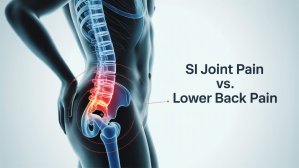
Sciatica is one of the most common nerve problems that causes leg pain. It happens when the sciatic nerve, which runs from the lower back down each leg, gets irritated or compressed. This condition often comes with specific symptoms like:
- Sharp or burning pain extending from the lower back to the back of the leg
- Numbness or tingling sensation in the leg or foot
- Muscle weakness in the affected leg
Understanding what triggers sciatica can help in finding effective ways to manage it. Two main causes are:
- Herniated Discs: Discs act as cushions between vertebrae in the spine. When a disc herniates, its inner gel-like core pushes through the tougher outer layer, possibly pressing on nearby nerves. This pressure can cause significant pain that travels along the sciatic nerve.
- Spinal Stenosis: This condition involves a narrowing of the spinal canal, which can squeeze nerves within the spine, including the sciatic nerve. The reduced space in the canal often leads to pain and discomfort.
Several risk factors may increase a person’s likelihood of developing sciatica:
- Age: Degenerative changes in the spine, such as herniated discs and bone spurs, are more common with advancing age.
- Occupational Hazards: Jobs requiring heavy lifting, prolonged sitting, or repetitive twisting movements can elevate the risk of sciatic nerve irritation.
- Obesity: Excess body weight can increase stress on the spine, contributing to disc herniation or spinal stenosis.
NYC specialists frequently encounter and treat sciatica using a multi-faceted approach tailored to individual needs. Combining their expertise with advanced diagnostic tools helps identify underlying issues accurately for targeted treatment plans.
2. Injuries: Impact on Leg Pain
Injuries often act as triggers for both sudden and long-lasting leg pain. Sports-related injuries, fractures, and falls can cause significant discomfort if not quickly diagnosed and treated.
3. Underlying Health Issues: Degenerative Disc Disease
Degenerative Disc Disease (DDD) is a common cause of chronic leg pain due to its impact on spinal health. Disc herniation in the lower back area can compress nerves, leading to persistent leg discomfort.
Understanding these various causes provides a foundation for effective management and treatment strategies that NYC specialists use to help patients regain their quality of life.
4. Injuries: Impact on Leg Pain
Injuries significantly contribute to both acute and chronic leg pain. Sports-related traumas, such as sprains, strains, or torn ligaments, often result in acute pain that can last from days to weeks. These types of injuries are common among athletes and individuals engaging in physical activities without proper conditioning or warm-up.
Fractures are another major cause of leg pain. A broken bone can lead to severe discomfort and needs immediate medical attention. The healing process usually takes a long time and may involve immobilization, physical therapy, and sometimes surgery to ensure the bone heals correctly and functions properly.
Getting a timely diagnosis is crucial for the best recovery outcome. Specialists use various imaging tests like X-rays or MRIs to assess the severity and nature of the injury. Early intervention not only relieves pain but also prevents further issues such as improper healing or chronic pain development.
The types of injuries mentioned above can lead to a range of conditions requiring specific treatment strategies for effective recovery.
Key Points:
- Sports Injuries: Acute pain from sprains, strains, or torn ligaments
- Fractures: Severe pain requiring immediate attention and potentially long-term treatment
- Diagnosis: Essential for effective treatment and prevention of chronic conditions
Understanding these factors highlights the importance of seeking prompt medical evaluation and personalized treatment plans. This ensures a quick return to daily activities without ongoing discomfort.
5. Underlying Health Issues: Degenerative Disc Disease
Degenerative disc disease is a significant contributor to chronic leg pain, particularly when it involves lumbar disc herniation. This condition arises as the intervertebral discs, which act as cushions between the vertebrae, begin to deteriorate due to aging or injury.
Key Points to Consider:
- Lumbar Disc Herniation: One of the primary ways degenerative disc disease manifests is through disc herniation in the lumbar region. When a disc herniates, it can compress nearby nerves, including the sciatic nerve, leading to sharp pain that radiates down the leg.
- Nerve Compression: The compressed nerves can cause not only pain but also numbness, tingling, and weakness in the lower extremities. This nerve-related discomfort can significantly impair mobility and quality of life.
- Chronic Pain Development: Unlike acute injuries, the pain from degenerative disc disease tends to be chronic and progressive. Patients often experience intermittent flare-ups that become more frequent and severe over time.
Given these complexities, understanding the connection between degenerative disc disease and leg pain is crucial for effective management. Specialists in NYC emphasize early diagnosis and a comprehensive treatment plan tailored to individual needs to alleviate symptoms and improve function.
Diagnosing Leg Pain: The Role of Imaging Tests
Accurate diagnosis is crucial for understanding the cause of leg pain. Specialists in NYC use different imaging tests to look at the structure and function of the affected area, making sure they identify problems correctly.
Common Imaging Tests
1. X-rays
X-rays are usually the first imaging test done. They give clear pictures of bones and can show fractures, bone spurs, and other bone issues that might be causing leg pain.
2. Magnetic Resonance Imaging (MRI)
MRIs provide detailed images of soft tissues like muscles, ligaments, tendons, and nerves. This test is especially helpful for finding disc herniations, nerve compressions, and other problems that X-rays can’t see.
3. Computed Tomography (CT) Scans
CT scans use X-ray images taken from different angles to create cross-sectional views of bones and soft tissues. They are very useful for getting a complete picture of complex bone structures and identifying areas affected by trauma or degeneration.
4. Ultrasound
Ultrasound is used to check soft tissue injuries. It can effectively find muscle tears, tendonitis, and other conditions causing leg pain. It also helps see blood flow and identify vascular problems.
By using these imaging tools, a leg pain specialist NYC area can make sure that patients get an accurate diagnosis, which is essential for creating effective treatment plans tailored to each person’s needs.
Treatment Options for Leg Pain: A Comprehensive Approach
1. Physical Therapy and Rehabilitation Programs
Physical therapy is crucial for recovering from leg pain. It involves specific exercise programs aimed at improving strength, flexibility, and function, especially after an injury or surgery.
Key Benefits of Physical Therapy:
- Strength Building: Exercises that target specific muscles supporting the leg, enhancing stability and lowering the chances of future injuries.
- Flexibility Improvement: Stretching routines that loosen tight muscles and ease pain.
- Enhanced Functionality: Training that helps individuals regain their ability to perform everyday tasks, significantly boosting their quality of life.
Types of Exercises Commonly Used:
- Range of Motion Exercises: These exercises aim to improve the movement capacity of joints affected by pain.
- Strength Training: Utilizing weights or resistance bands to build muscle strength.
- Aerobic Conditioning: Activities like walking or cycling that enhance cardiovascular health and endurance.
- Balance Exercises: Techniques such as standing on one leg or using balance boards to improve stability.
Expert physical therapists in NYC often develop personalized exercise regimens based on an individual’s specific condition and recovery goals. For example:
“Tailored physical therapy programs are essential in addressing unique patient needs, ensuring effective rehabilitation and long-term pain relief,” says Dr. Brian Mayrsohn, a leading pain management specialist.
Illustrative Case Study:
Consider a patient recovering from a knee surgery due to a sports-related injury. The tailored physical therapy program might include:
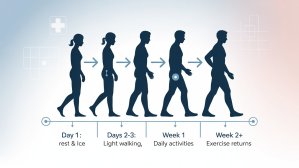
- Initial Phase: Gentle range-of-motion exercises to prevent stiffness.
- Intermediate Phase: Introduction of light strength training focusing on quadriceps and hamstrings.
- Advanced Phase: Functional training incorporating sport-specific movements to prepare for return to activity.
Incorporating these elements ensures a holistic recovery approach, addressing both immediate pain relief and long-term functionality.
Physical therapy is not just about alleviating symptoms but also about empowering patients with the knowledge and skills required to manage their condition proactively. By emphasizing a comprehensive approach that includes strength building, flexibility improvement, and enhanced functionality, individuals can achieve sustainable improvements in their leg health.
Effective physical therapy underscores the importance of early intervention and continuous adaptation of treatment plans according to patient progress. With expert guidance from NYC specialists, patients can navigate their recovery journey with confidence and clarity.
2. Medications: Managing Symptoms Effectively
Medications play a crucial role in managing leg pain, particularly when used as part of a comprehensive, multimodal approach. Nonsteroidal anti-inflammatory drugs (NSAIDs), such as ibuprofen and naproxen, are commonly prescribed to alleviate both acute flare-ups and chronic discomfort associated with underlying conditions like arthritis or sciatica.
Key Medications for Leg Pain Relief:
- NSAIDs: Effective in reducing inflammation and pain. These medications are often the first line of defense for many patients.
- Analgesics: Over-the-counter options like acetaminophen can help manage mild to moderate pain without the anti-inflammatory effects of NSAIDs.
- Muscle Relaxants: Prescribed for muscle spasms that may contribute to leg pain, especially post-injury.
- Topical Treatments: Creams and patches containing ingredients like menthol or capsaicin provide localized relief.
NYC specialists emphasize tailoring medication plans based on individual needs, considering factors such as the specific cause of leg pain and patient medical history. This personalized approach ensures optimal relief while minimizing potential side effects.
3. Alternative Therapies: Exploring Complementary Approaches to Leg Pain Management
1. Acupuncture
Acupuncture is a popular alternative therapy option for leg pain relief. This ancient Chinese practice involves inserting thin needles into specific points on the body to stimulate energy flow and promote healing. Many individuals find acupuncture beneficial in reducing their reliance on pharmaceuticals, enhancing their overall well-being.
2. Chiropractic Care
Chiropractic care is another complementary approach that focuses on spinal manipulation to address misalignments contributing to leg pain. Chiropractors in NYC offer personalized treatment plans aimed at improving musculoskeletal function.
3. Massage Therapy
Massage Therapy can provide relief by easing muscle tension and improving circulation. Techniques such as deep tissue massage and myofascial release are commonly used to alleviate discomfort and promote relaxation.
4. Yoga and Mindfulness Practices
Yoga and Mindfulness Practices emphasize gentle stretching, strengthening exercises, and mental relaxation techniques. These practices not only help manage pain but also improve flexibility and reduce stress.
Combining these alternative therapies with physical therapy for leg pain, medications for leg pain relief, and exercise programs for leg pain recovery creates a multimodal approach tailored to individual needs, ensuring comprehensive management of leg pain in NYC.
Innovations in Pain Management by NYC Specialists: A Holistic Approach to Healing Leg Pain
1. Integrative Pain Management Approaches at Mount Sinai Hospital
Mount Sinai Hospital in New York City leads the way in innovative treatments for leg pain. Their approach combines Western medical therapies with Eastern holistic practices, offering patients comprehensive care tailored to their specific needs.
Western Therapies
These include advanced diagnostic tools like MRIs and X-rays, complex surgical procedures, and medications backed by scientific evidence. Specialists at Mount Sinai use these methods to accurately identify and treat the underlying causes of leg pain.
Eastern Practices
Acupuncture, meditation, and yoga are integrated into traditional treatments. These practices not only help relieve pain but also promote overall health, reducing the need for medication.
Dr. Brian Mayrsohn, a key figure in this field, stresses the significance of personalized treatment plans. By merging the latest developments in pain management with holistic approaches, specialists at Mount Sinai ensure that patients receive care addressing both physical symptoms and emotional well-being.
This integrative strategy highlights a dedication to healing that goes beyond conventional techniques, paving the way for more effective and lasting relief from leg pain.
Preventive Measures Against Leg Pain: Taking Charge of Your Health
1. Maintaining a Healthy Weight Through Diet and Exercise
Making healthy lifestyle choices to prevent leg issues is crucial in reducing the risk of leg pain. A balanced diet rich in essential nutrients combined with regular physical activity helps maintain an optimal weight, which directly lessens the strain on your legs.
Key Strategies for Maintaining a Healthy Weight:
- Balanced Diet: Include a variety of fruits, vegetables, lean proteins, whole grains, and healthy fats. This ensures you get enough nutrients to support muscle and bone health. Incorporating foods that help reduce joint pain can be particularly beneficial.
- Regular Exercise: Participate in activities such as walking, swimming, or cycling. Aim for at least 150 minutes of moderate aerobic exercise per week along with strength training exercises twice a week to improve muscle support around joints. Remember that exercise also helps joints, making it an essential part of your routine.
- Hydration: Proper hydration is vital for overall bodily functions and can help maintain joint lubrication.
- Portion Control: Be mindful of portion sizes to avoid overeating, which can lead to weight gain and subsequent stress on the legs.
Dr. Brian Mayrsohn emphasizes that even modest weight loss can significantly reduce the pressure on knee joints. For instance, losing just 10 pounds can relieve 30 to 40 pounds of force from your knees with each step.
Incorporating these practices into your daily routine not only helps manage weight but also contributes to overall health, potentially reducing various causes of leg pain. Additionally, adopting some strategies to reduce joint pain and stiffness during colder months can further enhance your mobility and comfort.
2. Practicing Ergonomic Techniques During Daily Activities
Using ergonomic techniques in our daily lives is crucial for keeping our legs healthy and avoiding problems. Making changes to our workspaces, like making sure desks and chairs promote good posture, can help reduce strain. Standing desks are also helpful, encouraging us to move more and sit less.
Here are some key ergonomic practices:
- Proper Footwear: Wearing supportive shoes to avoid unnecessary stress on the legs.
- Regular Breaks: Taking brief intervals to stretch and walk around during extended periods of sitting or standing.
- Correct Posture: Ensuring a neutral spine position to prevent additional pressure on the legs.
By adopting these healthy lifestyle habits, we can effectively manage and prevent leg pain, leading to better overall well-being.