TLDR
Just had an SI joint injection? Here is what you need to know right now:
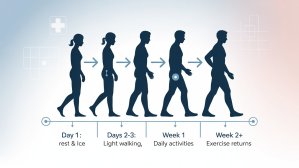
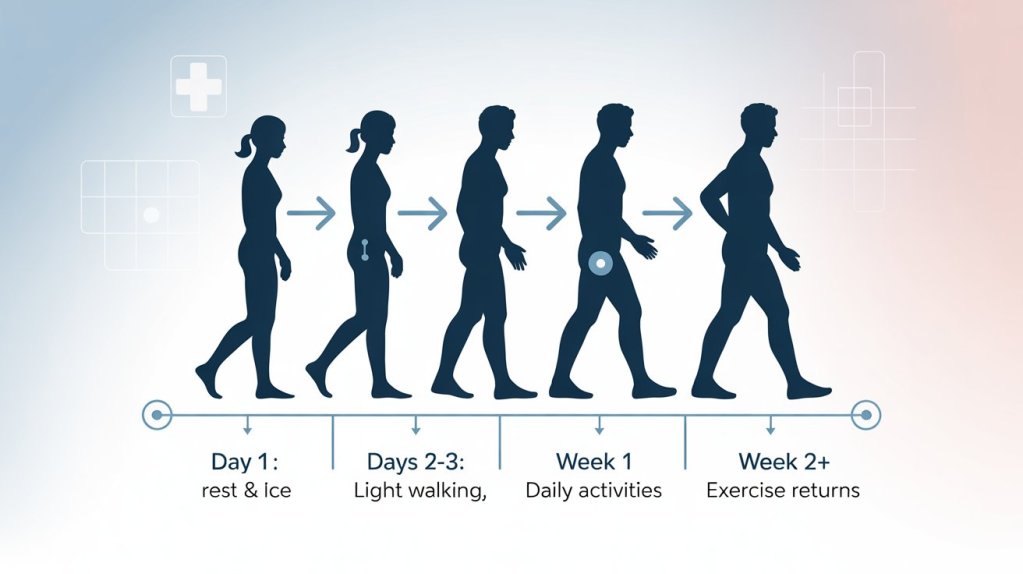
- Today: Rest, avoid driving, use ice not heat, and skip strenuous activity
- Day 1 to 2: Light walking is fine and actually helpful. Short, gentle movement beats lying still
- Day 3 to 7: Gradually return to normal daily activity. Mild soreness is normal and expected
- Week 2 onward: Ease back into exercise, starting with low-impact activity like walking or swimming
- What to avoid: Heavy lifting, high-impact exercise, prolonged sitting or standing in one position for at least one week
- One important note: If you feel more pain in the first 2 to 3 days, do not panic. This is a common short-term steroid flare, not a sign the injection failed
You just had an SI joint injection, or you are about to schedule one, and now the big question is sitting in your mind: what can I actually do after this? Can I walk around the house? Will I ruin the injection if I do too much too soon? Is it okay that I feel sore?
These are completely natural questions, and the answers matter more than most clinics take time to explain. This guide walks you through exactly what to expect and what to do in the hours, days, and weeks following your sacroiliac joint steroid injection.
What Just Happened in Your Body
When you receive an SI joint injection, a combination of a local anesthetic and a corticosteroid is placed directly into or around the SI joint. The anesthetic works quickly and may give you temporary relief within hours. The steroid takes longer, typically 3 to 7 days, to reduce inflammation and provide more lasting relief.
Understanding this helps you interpret what you feel in the first few days. Temporary numbness, brief pain relief followed by a return of pain, and even a short flare of increased soreness are all part of how your body responds to the procedure. None of these mean something went wrong.
The First 24 Hours: What to Do and What to Avoid
The day of your injection is about simple, sensible rest. You do not need to be confined to your bed, but you should avoid anything physically demanding.
Do this on day one:
- Rest at home for the remainder of the day
- Apply ice to the injection site for 15 to 20 minutes at a time to manage soreness
- Walk gently around the house as needed. Short walks are fine
- Stay hydrated and eat normally
- Arrange for someone else to drive you home. Most clinics ask you not to drive for 24 hours after the procedure
Avoid on day one:
- Driving or operating heavy machinery
- Hot baths, hot tubs, or heating pads on the injection area
- Swimming or submerging the injection site in water
- Strenuous activity, heavy lifting, or any exercise
- Alcohol
If you experience severe pain, fever, chills, or significant swelling at the injection site, contact your provider. These are uncommon but worth reporting.
The Steroid Flare: Why You Might Feel Worse Before Better
This is one of the most important things to understand, and one of the most common reasons patients worry unnecessarily. A steroid flare occurs when the corticosteroid crystals temporarily irritate the joint before the anti-inflammatory effect kicks in. It can cause increased pain for 24 to 72 hours after the injection.
This happens in roughly 10 to 15 percent of patients and is not a sign that the treatment failed or that something went wrong. Managing it is straightforward: use ice, take your prescribed or recommended pain relief, rest appropriately, and be patient. The flare passes, and the steroid then has a chance to do its job.
Walking After an SI Joint Injection
Walking is not just permitted after an SI injection, it is encouraged, with some simple guidelines.
Day 1: Gentle movement around the home is fine. You do not need to stay lying down. Short walks of 5 to 10 minutes are appropriate.
Days 2 to 4: You can gradually increase your walking time. Flat surfaces are better than hills or uneven terrain in the early days. Listen to your body. If walking causes sharp or worsening pain, reduce your distance and give yourself another day.
Day 5 onward: Most patients return to their normal walking routine by this point. If you were walking for exercise before the injection, resume at a comfortable pace and gradually work back to your previous distance or duration.
Walking is genuinely beneficial during recovery. It promotes circulation, helps maintain joint mobility, and prevents the stiffness that can come from too much rest. The goal is gentle, consistent movement, not aggressive activity.
Sitting After an SI Joint Injection
Sitting can actually be more uncomfortable than walking for people with sacroiliac joint pain, both before and after an injection.
Here are some practical tips for sitting comfortably during recovery:
- Avoid sitting for long uninterrupted stretches. Get up and move gently every 30 to 45 minutes
- Use a supportive chair with good lower back and pelvic support. Soft sofas can aggravate SI discomfort
- Sit with your weight evenly distributed on both hips. Crossing your legs or sitting heavily to one side stresses the SI joint
- When getting up from a sitting position, lean forward first and use your arms to push up rather than twisting or jerking upright
- Avoid sitting on hard surfaces without cushioning in the first few days
If long drives or desk work are unavoidable, consider a small wedge cushion or lumbar support to reduce SI joint stress while seated.
Exercising After an SI Joint Injection
Returning to exercise requires a gradual, phased approach. Rushing back too soon is one of the most common mistakes patients make.
Week 1: Low Activity
Focus on gentle daily movement. Short walks, light household activity, and gentle stretching if tolerated. No gym, no sports, no heavy lifting.
Week 2: Light Exercise
You can begin introducing low-impact activity such as:
- Flat walking for 20 to 30 minutes
- Stationary cycling at a very light resistance
- Gentle yoga or stretching focused on hip flexibility, avoiding deep SI joint loading poses
- Swimming, if the injection site has fully healed
Avoid any exercise that involves impact, twisting through the lower back or pelvis, or heavy loading through the spine and hips.
Week 3 and Beyond: Gradual Return
By week three, most patients can begin returning to their normal exercise routine, adjusted based on how they are feeling. If the injection has been effective, this period is a good time to work with a physiotherapist on SI joint stabilisation exercises, which can extend the benefit of the injection and address any underlying movement patterns contributing to your pain.
High-impact activity such as running, jumping, or heavy resistance training should be reintroduced slowly and only after pain has meaningfully settled.
Activity Guide at a Glance
|
Activity |
Day 1 |
Days 2 to 4 |
Week 2 |
Week 3 Onward |
| Light walking | Short walks only | Gradually increase | Normal pace | Full routine |
| Sitting | Brief, supported | Limit to 30 min sessions | Normal with breaks | Normal |
| Swimming | Avoid | Avoid | Can begin | Fine |
| Cycling (light) | Avoid | Avoid | Stationary only | Outdoor fine |
| Gym / weights | Avoid | Avoid | Light only | Gradual return |
| Running / impact | Avoid | Avoid | Avoid | Slow reintroduction |
| Heavy lifting | Avoid | Avoid | Avoid | With caution |
Common Questions Patients Ask
How long does it take for the injection to fully work?
The local anesthetic may relieve pain within hours, but the corticosteroid typically takes 3 to 7 days to reduce inflammation. Full benefit is often felt at around 1 to 2 weeks.
How long will the relief last?
This varies by patient. Some experience significant relief for several months, others for longer. The injection also provides a diagnostic window, confirming the SI joint as the pain source, which informs what treatment makes sense next.
What if the injection does not help?
If pain relief is minimal after two weeks, speak with your provider. In cases of confirmed SI joint instability that does not respond to conservative treatment, options like sacroiliac joint fusion may be discussed.
Can I take pain medication after the injection?
Yes. Over-the-counter pain relief such as paracetamol is generally appropriate. Some providers advise avoiding anti-inflammatory medications like ibuprofen in the first 24 to 48 hours as they may theoretically interfere with the steroid. Confirm this with your treating provider.
Is it normal to feel the injection site for days after?
Yes. Localised soreness, bruising, or tenderness around the injection site is common and typically resolves within a few days.
A Note on Listening to Your Body
Recovery timelines vary from person to person. Your age, overall fitness, how long you have been in pain, and the underlying cause of your SI joint problem all influence how you feel in the days and weeks after the injection. The general guidance above reflects what is appropriate for most patients, but always follow the specific advice of your treating provider over any general guideline.
If something does not feel right, it is always better to ask than to guess.
Maywell Health provides specialised care for SI joint and spine conditions, guiding patients from diagnosis through to the most appropriate treatment for their individual situation.
If you have questions about your recovery or want to understand what the next steps in your treatment might look like, contact the Maywell Health team to speak with a specialist.