
TLDR
SI joint pain comes back because the root cause, usually joint instability, muscle weakness, or movement habits, was never fully addressed. Here is the short version:
- Pain returns when the muscles supporting your pelvis are weak or unbalanced
- Sitting too long, poor posture, and old movement habits keep stressing the same joint
- Injections reduce pain but do not fix the underlying instability
- Consistent targeted exercise and lifestyle changes are what break the cycle
- For some patients, recurring pain despite all conservative efforts points toward a structural solution
If your SI joint pain keeps returning after treatment, you are not doing anything wrong. Most patients go through the same frustrating loop: pain improves, life returns to normal, then weeks or months later it is back again.
There is a clear reason for this, and once you understand it, managing it becomes a lot more straightforward.
The Real Reason It Keeps Returning
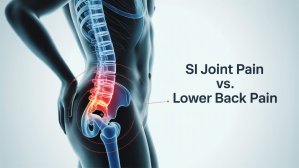
The SI joint is held in place not by a deep socket like the hip, but primarily by ligaments and surrounding muscles. When those supporting structures are weak, tight, or unbalanced, the joint becomes unstable and repeatedly gets irritated.
Most treatments, including rest, medication, and even injections, reduce the pain. But they do not fix the instability. So when you return to your normal routine, the same mechanics that caused the problem in the first place pick up right where they left off.
Common triggers for recurrence:
- Weak glutes and core muscles leaving the SI joint unsupported
- Prolonged sitting putting constant low-level stress on the joint
- One-sided habits like always carrying a bag on the same shoulder or sleeping in a twisted position
- Returning to exercise too fast after a flare without rebuilding stability first
- Previous lumbar spine surgery, which shifts extra load onto the SI joint
What Actually Breaks the Cycle
Targeted Strengthening
Generic core exercises are not enough. The goal is to strengthen the muscles that specifically stabilise the pelvis: the glutes, deep hip rotators, and multifidus. A physiotherapist familiar with SI joint dysfunction can design a programme that does this without aggravating the joint.
Movement Habit Changes
Small daily habits matter more than people realise. Getting up every 30 to 40 minutes when sitting, distributing weight evenly when standing, and sleeping with a pillow between your knees if you are a side sleeper all reduce repetitive SI joint stress.
Staying Consistent Between Flares
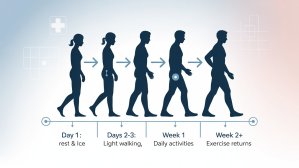
Most patients do their exercises during a flare and stop when the pain settles. This is exactly when to keep going. Consistency between episodes is what builds the lasting stability that prevents the next one.
Knowing When Injections Help vs. When You Need More
A sacroiliac joint steroid injection can calm an acute flare and create a window where rehabilitation is more comfortable and productive. Think of it as pain management that supports recovery, not a standalone fix.
When Conservative Management Is Not Enough
For some patients, the pain keeps returning because the joint itself has structural instability that exercises and injections cannot resolve long term. If you have had repeated flares, confirmed SI joint involvement, and tried conservative care consistently without lasting improvement, it is worth having an honest conversation with a specialist about whether sacroiliac joint fusion is appropriate for your situation.
This is not the right path for everyone, but for the right patient it can end the cycle for good.
Simple Daily Habits That Help Long Term
- Move every 30 to 40 minutes when sitting
- Strengthen your glutes, not just your general core
- Sleep with a pillow between your knees if you sleep on your side
- Avoid carrying weight on one side consistently
- Warm up before any physical activity, even light walking
- Do not stop your exercises just because the pain has settled
Quick FAQ
Is it normal for SI joint pain to come and go for years?
Yes, especially without targeted rehabilitation. The pattern of flares and remissions is very common but manageable once the underlying instability is addressed.
Will I need surgery?
Most patients do not. The majority respond well to physiotherapy, lifestyle adjustments, and occasional injections. Surgery is considered only when all conservative options have been thoroughly tried.
Can the SI joint heal on its own?
The joint itself does not regenerate, but the surrounding muscles and ligaments can be strengthened significantly, which dramatically reduces how often and how badly the pain returns.
If recurring sacroiliac joint pain is affecting your quality of life, a proper assessment at Maywell Health can identify exactly what is driving your flares and what the most effective next step looks like for you specifically.
Reach out to the team whenever you are ready.