
TLDR
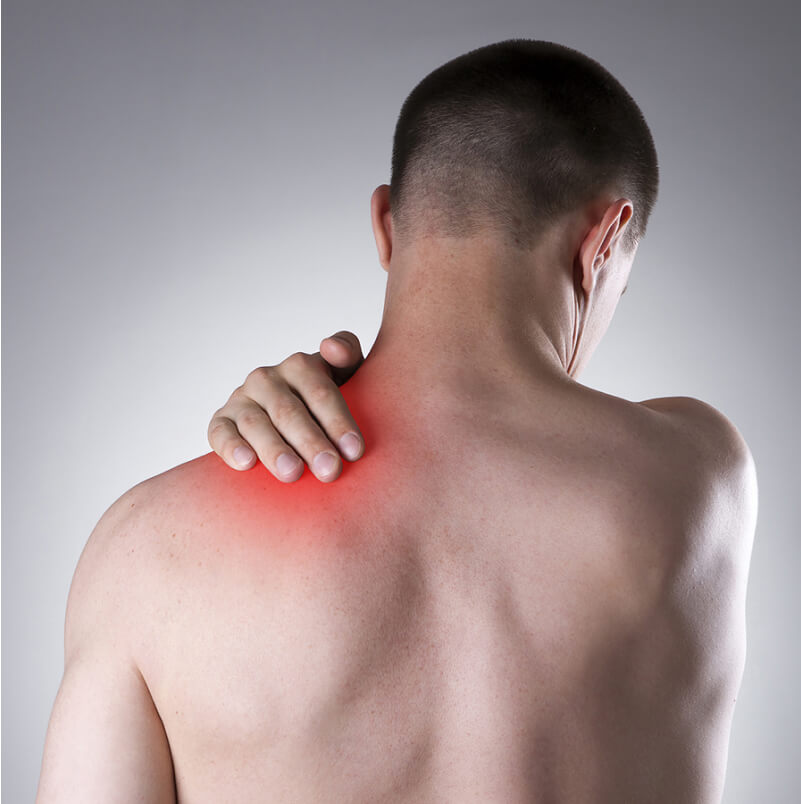
Old sports injuries have a way of coming back years later as nagging shoulder or knee pain, and painkillers only mask the problem rather than address it. An injury from your playing days can lead to chronic joint pain through lingering damage, altered mechanics, and the gradual development of arthritis in the affected joint. The first real step is proper diagnosis, often including imaging, to understand what is actually going on inside the joint now, not just what happened back then. From there, options extend well beyond pills: targeted injections that deliver relief directly to the joint, regenerative approaches like PRP that aim to support the body’s own repair, physical therapy to correct the mechanics driving the pain, and a structured return to activity. The goal is not just to quiet the pain but to treat its source and get you moving again safely. If an old injury still limits you, it is worth a proper evaluation rather than another bottle of ibuprofen.
The Injury You Thought You Left Behind
You tore something in your knee playing soccer in college. You separated your shoulder in a game two decades ago. It healed, more or less, you moved on, and life went forward. Then years later, the same joint starts talking to you again. An ache after activity. Stiffness in the morning. A twinge that has quietly become a constant.
This is one of the most common stories in pain medicine, and it catches people off guard because the original injury feels like ancient history. But old sports injuries frequently resurface as chronic joint pain later in life, and the connection is real even when decades have passed.
The instinct is to reach for over-the-counter painkillers and push on, the same way you did as an athlete. The problem is that painkillers only quiet the signal. They do nothing about what is actually happening in the joint. This article is about what is really going on and the options that go deeper than the medicine cabinet.
How an Old Injury Becomes Chronic Pain
An injury from years ago can drive pain today through several connected pathways, and understanding them clarifies why this is not just “getting old.”
Lingering structural damage. Some injuries never fully return to their pre-injury state. Cartilage, ligaments, and tendons do not always heal completely, and a joint that was significantly damaged may carry that vulnerability for life, even if it felt fine for years.
Altered mechanics. After an injury, you often move differently, sometimes without realizing it. You favor the joint, shift load onto other structures, or lose a bit of range of motion. Over years, these subtle changes place abnormal stress on the joint and surrounding tissues, gradually causing wear and irritation.
Post-traumatic arthritis. This is the big one. A significant joint injury raises the risk of developing osteoarthritis in that joint later in life, a version specifically called post-traumatic osteoarthritis. The original damage can accelerate the breakdown of cartilage over the following years and decades, so the pain you feel now may be arthritis that traces directly back to that old injury. You can read more about how joint injuries relate to later arthritis through the Cleveland Clinic’s overview of osteoarthritis.
The takeaway is that today’s pain is usually not the old injury still hurting. It is the downstream consequence of that injury playing out in the joint over time. That distinction matters, because it means the pain has a current, identifiable cause that can be assessed and treated.
Why Diagnosis Comes First
Here is where people often go wrong. They assume they already know the problem, “it’s my old knee thing”, and jump straight to managing the pain. But the joint has changed since the injury, and treating it well requires understanding its current state, not its history.
A proper evaluation starts with a clinical exam, looking at how the joint moves, where it hurts, what is stable and what is not. From there, imaging often plays a key role. X-rays can reveal arthritis, joint space narrowing, and bone changes. MRI can show soft tissue, cartilage, ligaments, and tendons in detail when that level of information is needed.
The point of all this is to answer the real question: what is generating your pain right now? Is it arthritis that developed over the years? A structure that never fully healed? Mechanics that have thrown stress onto the joint? The answer determines the treatment, and it is why guessing, or self-treating based on a decades-old diagnosis, tends to fall short. Two people with the same old injury can have very different problems today and need very different care.
Targeted Injections: Relief Where It Actually Hurts
Once the source is understood, one of the most useful tools is targeted injection, which delivers treatment directly into or around the affected joint rather than dulling pain throughout your whole body the way an oral painkiller does.
For an arthritic or irritated knee, several types of knee injections can provide meaningful, focused relief. Corticosteroid injections can reduce inflammation in a flared joint. Hyaluronic acid injections, sometimes called gel injections, aim to improve lubrication and cushioning in an arthritic knee. The right choice depends on what the diagnosis shows.
The advantage of this approach is precision. Instead of medicating your entire system and hoping some effect reaches the joint, the treatment goes straight to the problem area. For many people, a well-placed injection provides a window of relief that not only feels better but makes it possible to do the physical therapy and activity that produce longer-term improvement.
Regenerative Options: Supporting Repair, Not Just Masking
Beyond traditional injections, regenerative approaches have become an increasingly discussed option for joint pain from old injuries. The best known is platelet-rich plasma, or PRP.
PRP works differently from a painkiller or even a steroid. A sample of your own blood is processed to concentrate the platelets, which carry growth factors involved in healing, and that concentrate is injected into the injured area. The idea is to support the body’s own repair processes rather than simply suppress the pain or the inflammation.
A few honest points are worth making. Regenerative treatments like PRP are an area of active research, and results can vary between individuals and conditions. They are not a guaranteed fix or a substitute for surgery in every case. But for the right patient with the right problem, they represent a genuinely different philosophy, aiming at repair and the underlying tissue rather than only masking symptoms. Whether you are a good candidate depends on your specific diagnosis, which loops back to why proper evaluation comes first. A specialist can tell you realistically whether a regenerative approach makes sense for your situation and what to expect from it.
Physical Therapy: Fixing the Mechanics
No injection or procedure fully addresses an old injury if the movement patterns driving the pain are left uncorrected. This is why physical therapy is so often central rather than optional.
After years of favoring a joint or moving around an old injury, you likely have muscle imbalances, weakness, and altered mechanics that keep stressing the joint. Physical therapy works to rebuild strength in the muscles that support and stabilize the joint, restore lost range of motion, and retrain movement patterns so the joint is loaded properly instead of abnormally.
Think of injections and regenerative treatments as creating an opportunity, a window of reduced pain, and physical therapy as using that window to fix the underlying mechanics so the relief lasts. The two work best together. Addressing the pain without correcting the mechanics often means the pain simply returns.
Returning to Activity Without Reinjury
A lot of people with old sports injuries have quietly given up activities they loved, afraid that movement will make things worse or cause another injury. That caution is understandable, but total avoidance usually backfires, because inactivity weakens the very muscles that protect the joint and can leave you stiffer and more vulnerable.
The better path is a structured, gradual return to activity guided by your diagnosis and your care team. That means building strength and mobility first, progressing loads sensibly rather than jumping back to where you left off decades ago, choosing joint-friendly activities where appropriate, and paying attention to the difference between the normal discomfort of reconditioning and the sharp warning of doing too much.
The goal is not to wrap the joint in cotton wool for the rest of your life. It is to get you moving again in a way the joint can handle, because staying active, done right, is protective rather than dangerous.
Don’t Overlook the Frustration Factor
There is an emotional side to this that deserves a mention. Old sports injuries often carry a psychological weight, because they connect to a more active, capable version of yourself. Pain that limits activities you used to do easily can be genuinely demoralizing, and that frustration and low mood can make the pain harder to cope with, since stress and mood influence how pain is experienced.
If chronic joint pain from an old injury has worn on you mentally, that is a normal response and a legitimate part of the picture to address. Support through behavioral health care can help with the frustration and adjustment that come with a body that no longer does everything it once did, which in turn supports better outcomes overall.
Moving Past Painkillers in NYC
If an old shoulder or knee injury has come back to limit you, and you have been getting by on painkillers, there is a lot more available than masking the ache. The path forward starts with understanding what is actually happening in the joint now, then treating that source with targeted injections, regenerative options where appropriate, and the physical therapy that corrects the mechanics underneath.
Our pain management team evaluates the current state of your joint and builds a plan aimed at real relief and a safe return to the things you want to do, not just a prescription to dull the pain.
If an old injury is still holding you back, reach out to schedule a consultation and find out what your options actually are beyond the medicine cabinet.