Back & Spine Pain

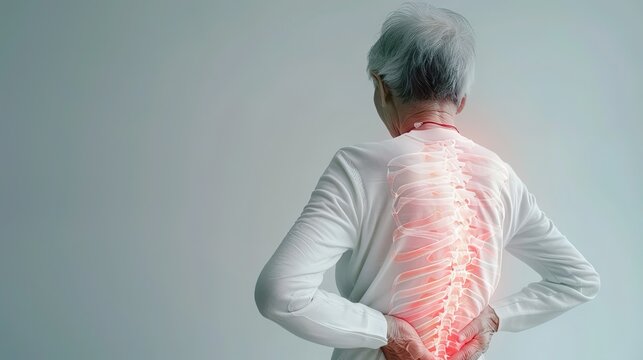
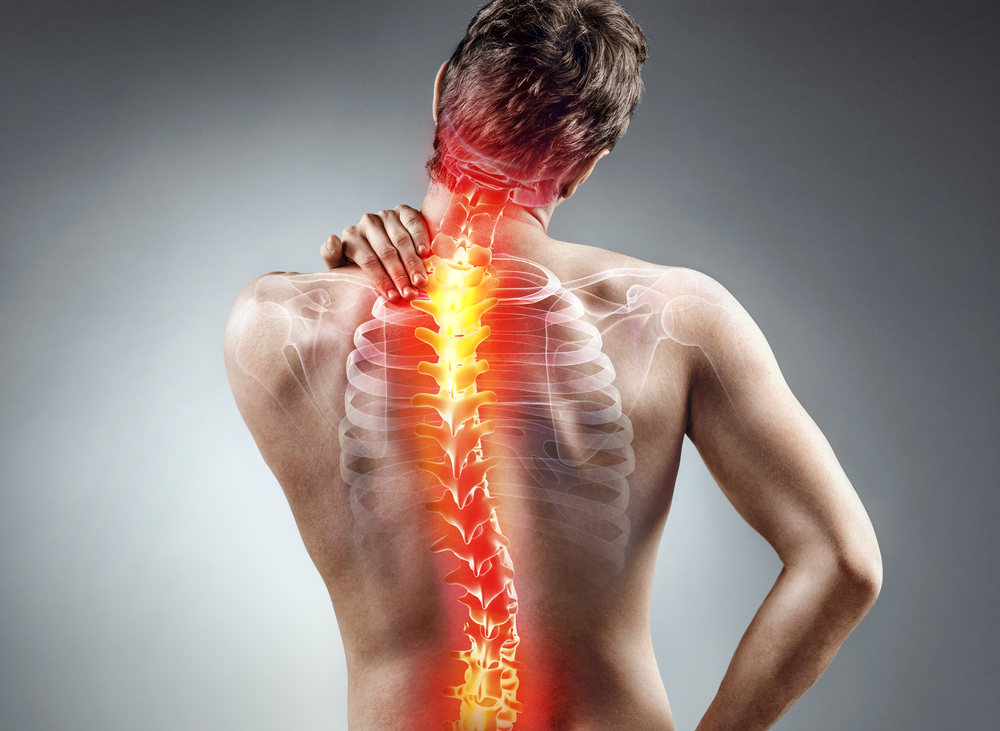
Let’s unravel the mystery of back pain in a way that’s easy to grasp. Imagine your spine, which runs from your neck down to your lower back, as a sturdy tower of building blocks. Sometimes, these blocks can get out of place or strained, causing back pain.

Back & Spine Pain
Osteoarthritis

Osteoarthritis

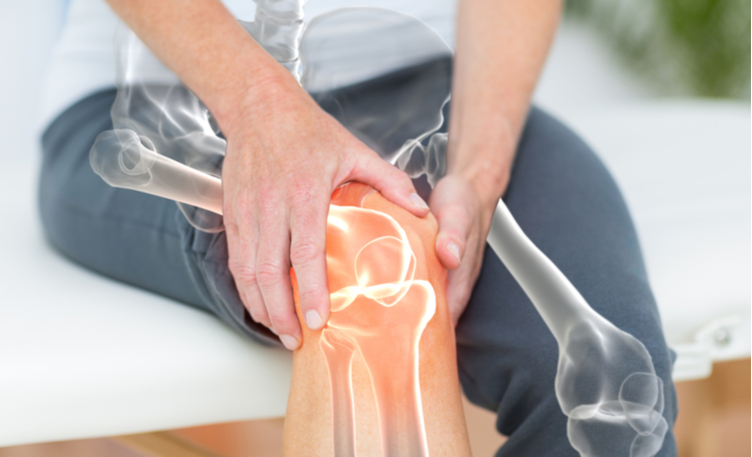
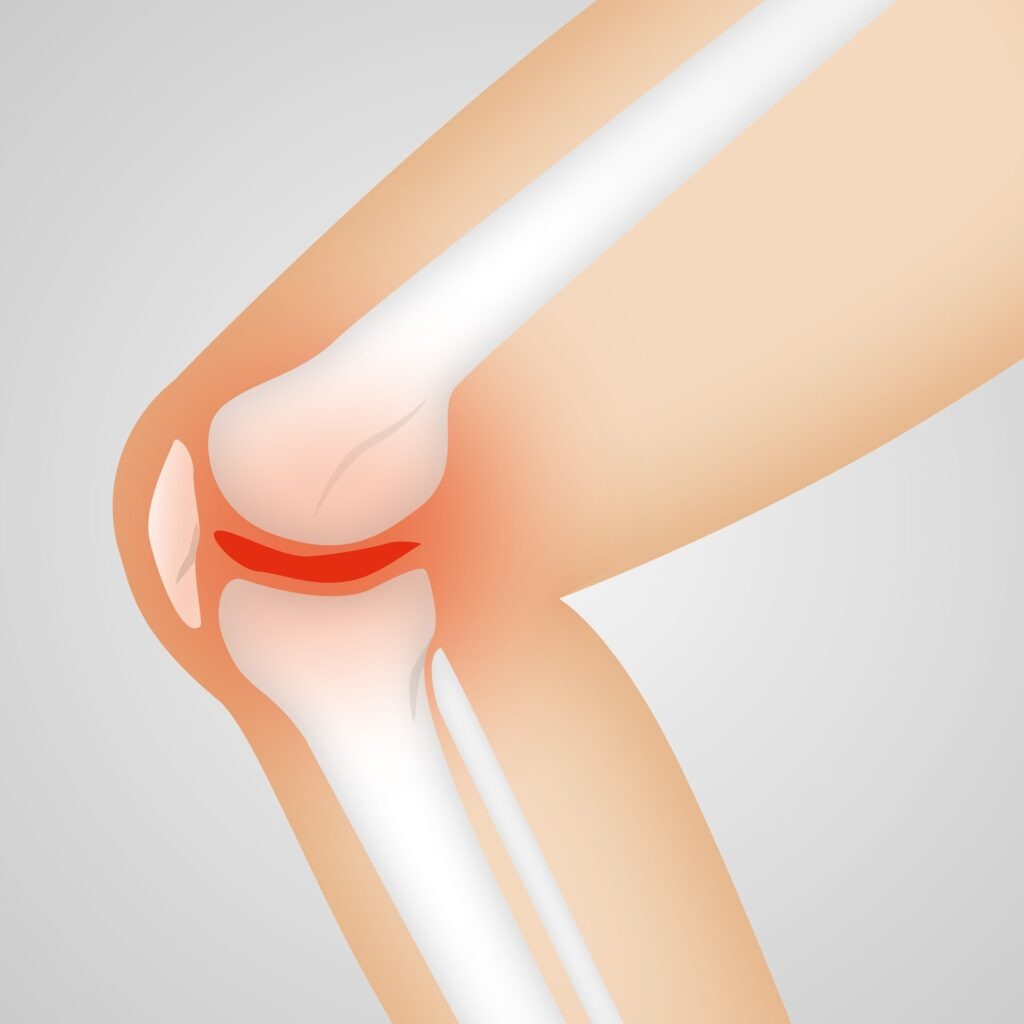
Osteoarthritis (OA) is the most common form of arthritis, affecting millions of people worldwide, usually people over 55. It is a chronic (long-term) disease that occurs when the protective cartilage that cushions the ends of your bones wears down over time. Although OA can damage any joint, the disorder most commonly affects joints in your hands, knees, hips, and spine. OA is a degenerative joint disease that can cause pain, stiffness, and reduced function in the affected joints.
Learn More »
Chest, Rib Pain

Chest, Rib Pain

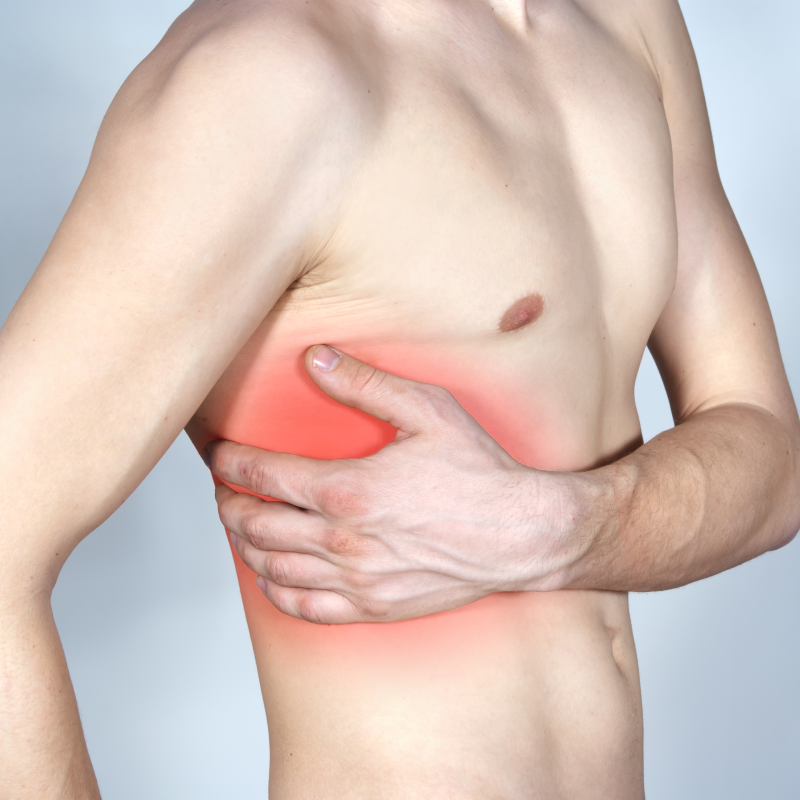
Any pain related to the chest wall or rib cage. There are a wide array of conditions that may cause chest and rib pain, including those related to musculoskeletal structures, such as cartilage and muscle, the heart, the lungs, or even the stomach.

Learn More »
Thoracic Pain

Thoracic Pain

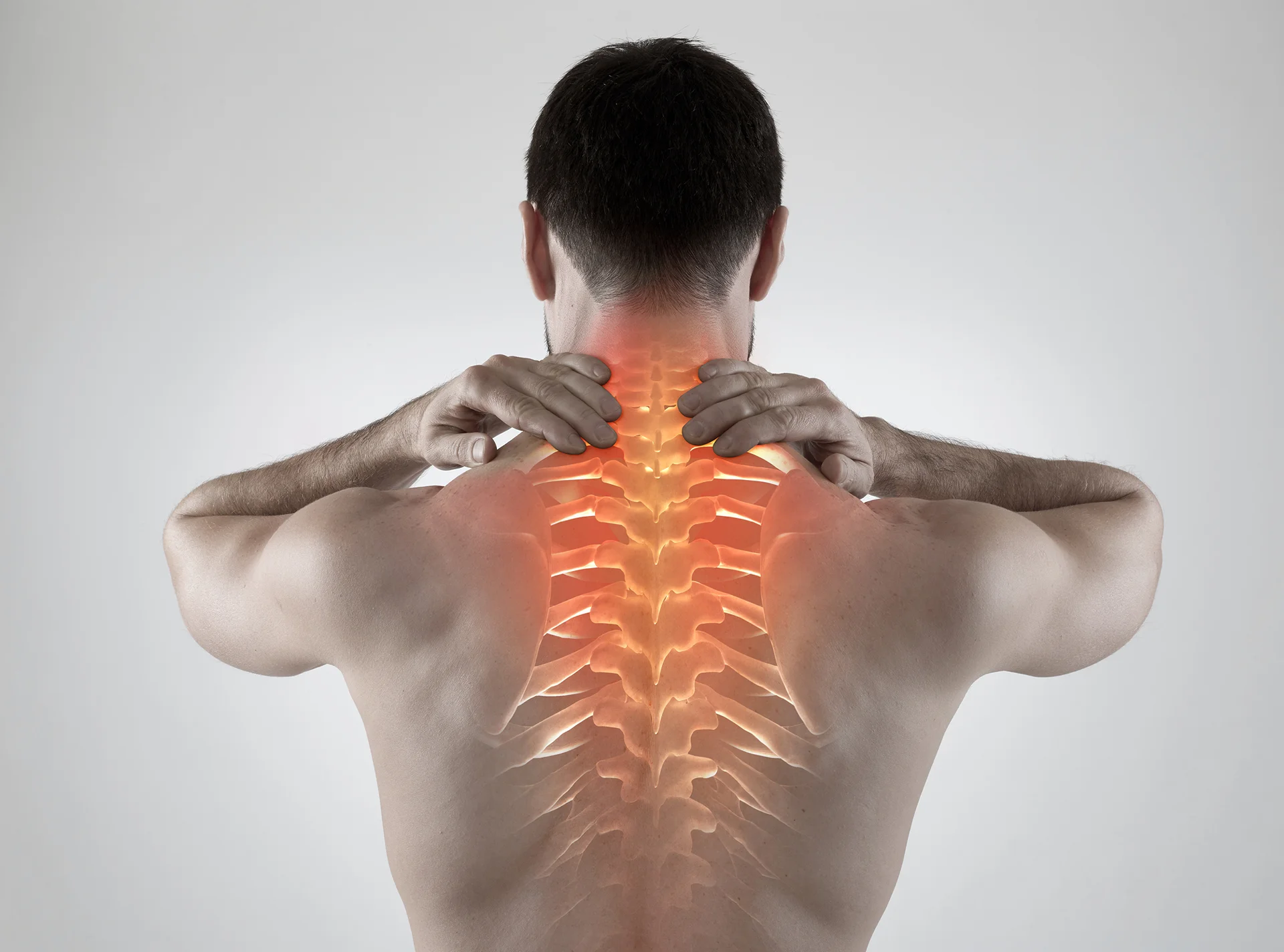
Thoracic pain refers to pain in the thoracic region, or the upper and middle back areas. The thoracic spine is the middle section of your spine, below the cervical/neck region and above the lumbar/lower back region. The thoracic spine consists of 12 vertebrae and stretches from the base of the neck to the bottom of the ribs.

Learn More »
Vertebral Compression Fracture

Vertebral Compression Fractures

Living with back pain can be overwhelming, especially when the cause is a vertebral compression fracture (VCF). Understanding this condition — what it is, how it develops, and which treatments are available — can help you take control of your health and move toward recovery.

Learn More »
Tailbone Pain

Tailbone Pain

Tailbone pain, or coccydynia, refers to the pain in the bone at the base of the spine (coccyx) that is commonly due to trauma directly to the area, but can also be due to non-traumatic factors.

Learn More »
Lumbar Spinal Stenosis

Lumbar Spinal Stenosis: Causes, Symptoms, and Treatment

Lumbar spinal stenosis is the narrowing of the spinal canal in the lower back. This canal houses and protects the spinal cord and nerve roots that travel from the back into the legs. When the space narrows, the nerves can become compressed, leading to lower back pain, leg pain, and mobility problems.

Learn More »
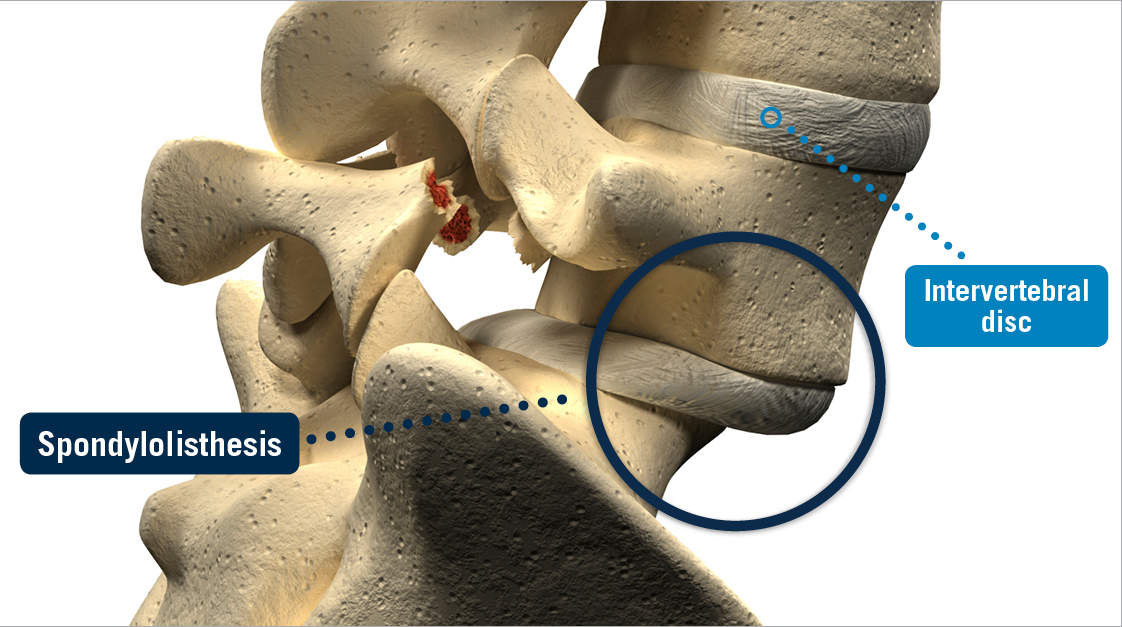
Spondylolisthesis

Spondylolisthesis

Scoliosis is a condition characterized by an abnormal lateral curvature of the spine. It can affect individuals of any age, but it is most commonly diagnosed in children and adolescents.

Learn More »
Scoliosis

Scoliosis Pain: Causes, Symptoms, and Treatment

Scoliosis is a condition in which the spine curves sideways in an abnormal “S” or “C” shape. It can appear at any age but is most commonly diagnosed in children and adolescents. The curve may be mild or severe and, if untreated, can lead to discomfort, back pain, or posture changes. For comprehensive spine care visit Maywell Health or contact us

Learn More »
Sciatica

Sciatica Pain: Causes, Symptoms, and Treatment

Sciatica is nerve pain that travels from the lower back through the hips and buttocks and down one leg. It usually affects one side of the body and develops when a herniated disc, bone spur, or spinal narrowing (stenosis) presses on the sciatic nerve, causing inflammation, sharp or burning pain, tingling, or numbness. For full care information visit Maywell Health or contact us to schedule an appointment.

Learn More »
Osteoporosis

Osteoporosis

Osteoporosis is a bone disease where there is loss of bone density, weakening the bones and increasing risks of fractures.

Learn More »
Herniated or Bulging Discs

Herniated & Bulging Discs: Causes, Symptoms, and Treatment

Soft discs between the vertebrae of your spine allow flexibility, twisting, and bending. When a disc’s inner material pushes through its outer layer, it can result in a herniated or bulging disc. This may press against spinal nerves, causing pain, tingling, numbness, or weakness in different parts of the body depending on the disc location.

Learn More »
Degenerative Disc Disease DDD

Degenerative Disc Disease (DDD): Causes, Symptoms & Treatment

Degenerative Disc Disease (DDD) is a condition where the intervertebral discs that cushion and allow movement between spinal vertebrae gradually wear down. This natural aging process can cause pain and limit flexibility, most often affecting the lower back or neck. While common with age, certain lifestyle and health factors can speed up this degeneration.

Learn More »
Compression Fracture

Compression Fracture

Compression fracture refers to a small break or crack in the vertebrae (bones in your spine). The break happens in the vertebral body, which is the thick, rounded part on the front of each vertebrae.

Learn More »
Cancer of the Spine Pain

Cancer of the Spine Pain

Cancer pain of the spine is a common side effect that could result from spinal cancer or tumors. When tumors have grown enough in size, it can be enough to cause pain to the cancer patient.

Learn More »
What is Ankylosing Spondylitis?

What is Ankylosing Spondylitis?

Ankylosing spondylitis is a type of disease involving inflamed joints of the spine, causing mild bouts of back pain and stiffness. In severe cases, it leads to some of the bones of the spine (called vertebrae) to fuse – this is called bamboo spine (see below x-ray for example). The fused vertebrae causes the spine to become less flexible and ultimately lead to a hunched posture and rigidity.

Learn More »
Osteoarthritis

Osteoarthritis

Osteoarthritis (OA) is the most common form of arthritis, affecting millions of people worldwide, usually people over 55. It is a chronic (long-term) disease that occurs when the protective cartilage that cushions the ends of your bones wears down over time. Although OA can damage any joint, the disorder most commonly affects joints in your hands, knees, hips, and spine. OA is a degenerative joint disease that can cause pain, stiffness, and reduced function in the affected joints.

Learn More »
Chest, Rib Pain

Chest, Rib Pain

Any pain related to the chest wall or rib cage. There are a wide array of conditions that may cause chest and rib pain, including those related to musculoskeletal structures, such as cartilage and muscle, the heart, the lungs, or even the stomach.

Learn More »
Thoracic Pain

Thoracic Pain

Thoracic pain refers to pain in the thoracic region, or the upper and middle back areas. The thoracic spine is the middle section of your spine, below the cervical/neck region and above the lumbar/lower back region. The thoracic spine consists of 12 vertebrae and stretches from the base of the neck to the bottom of the ribs.

Learn More »
Vertebral Compression Fracture

Vertebral Compression Fractures

Living with back pain can be overwhelming, especially when the cause is a vertebral compression fracture (VCF). Understanding this condition — what it is, how it develops, and which treatments are available — can help you take control of your health and move toward recovery.

Learn More »
Tailbone Pain

Tailbone Pain

Tailbone pain, or coccydynia, refers to the pain in the bone at the base of the spine (coccyx) that is commonly due to trauma directly to the area, but can also be due to non-traumatic factors.

Learn More »
Lumbar Spinal Stenosis

Lumbar Spinal Stenosis: Causes, Symptoms, and Treatment

Lumbar spinal stenosis is the narrowing of the spinal canal in the lower back. This canal houses and protects the spinal cord and nerve roots that travel from the back into the legs. When the space narrows, the nerves can become compressed, leading to lower back pain, leg pain, and mobility problems.

Learn More »
Spondylolisthesis

Spondylolisthesis

Scoliosis is a condition characterized by an abnormal lateral curvature of the spine. It can affect individuals of any age, but it is most commonly diagnosed in children and adolescents.

Learn More »
Scoliosis

Scoliosis Pain: Causes, Symptoms, and Treatment

Scoliosis is a condition in which the spine curves sideways in an abnormal “S” or “C” shape. It can appear at any age but is most commonly diagnosed in children and adolescents. The curve may be mild or severe and, if untreated, can lead to discomfort, back pain, or posture changes. For comprehensive spine care visit Maywell Health or contact us

Learn More »
Sciatica

Sciatica Pain: Causes, Symptoms, and Treatment

Sciatica is nerve pain that travels from the lower back through the hips and buttocks and down one leg. It usually affects one side of the body and develops when a herniated disc, bone spur, or spinal narrowing (stenosis) presses on the sciatic nerve, causing inflammation, sharp or burning pain, tingling, or numbness. For full care information visit Maywell Health or contact us to schedule an appointment.

Learn More »
Osteoporosis

Osteoporosis

Osteoporosis is a bone disease where there is loss of bone density, weakening the bones and increasing risks of fractures.

Learn More »
Herniated or Bulging Discs

Herniated & Bulging Discs: Causes, Symptoms, and Treatment

Soft discs between the vertebrae of your spine allow flexibility, twisting, and bending. When a disc’s inner material pushes through its outer layer, it can result in a herniated or bulging disc. This may press against spinal nerves, causing pain, tingling, numbness, or weakness in different parts of the body depending on the disc location.

Learn More »
Degenerative Disc Disease DDD

Degenerative Disc Disease (DDD): Causes, Symptoms & Treatment

Degenerative Disc Disease (DDD) is a condition where the intervertebral discs that cushion and allow movement between spinal vertebrae gradually wear down. This natural aging process can cause pain and limit flexibility, most often affecting the lower back or neck. While common with age, certain lifestyle and health factors can speed up this degeneration.

Learn More »
Compression Fracture

Compression Fracture

Compression fracture refers to a small break or crack in the vertebrae (bones in your spine). The break happens in the vertebral body, which is the thick, rounded part on the front of each vertebrae.

Learn More »
Cancer of the Spine Pain

Cancer of the Spine Pain

Cancer pain of the spine is a common side effect that could result from spinal cancer or tumors. When tumors have grown enough in size, it can be enough to cause pain to the cancer patient.

Learn More »
What is Ankylosing Spondylitis?

What is Ankylosing Spondylitis?

Ankylosing spondylitis is a type of disease involving inflamed joints of the spine, causing mild bouts of back pain and stiffness. In severe cases, it leads to some of the bones of the spine (called vertebrae) to fuse – this is called bamboo spine (see below x-ray for example). The fused vertebrae causes the spine to become less flexible and ultimately lead to a hunched posture and rigidity.

Learn More »